

Why Zero‑Waste Personal Care Isn’t Just a Trend—it’s a Lifestyle Shift
When I first swapped my disposable razor for a sleek, refillable metal one, I expected a minor inconvenience—maybe a few extra steps in the morning. What I didn’t anticipate was the cascade of changes that rippled through my entire grooming routine. Suddenly, my shampoo bottle became a glass jar, my cotton pads turned into reusable bamboo rounds, and the bathroom counter looked less like a landfill and more like a curated boutique.
Zero‑waste personal care isn’t about depriving yourself of the little luxuries that make you feel good; it’s about rethinking how those luxuries are delivered. It’s an invitation to ask, “Do I really need to throw this away after one use?” and then to find smarter, kinder alternatives. In this deep‑dive, I’ll walk you through the mindset, the tools, and the practical steps that turned my own routine from a “use‑and‑toss” mindset into a sustainable, high‑performing ritual.
The Psychology Behind Our Grooming Habits
Before we get into the nuts and bolts, let’s explore why we cling to single‑use products. The answer is surprisingly neurological. Our brains love the dopamine hit of novelty and convenience—a fresh, sealed bottle of lotion promises instant gratification. Designing for the Human Brain taught me that habit loops are reinforced by cues (the sight of a product), routines (the application), and rewards (the feeling of freshness). When we replace a disposable item with a refillable one, we’re essentially rewiring that loop.
By consciously inserting a new cue—say, the click of a glass bottle being refilled—you start to associate sustainability with the same reward you get from the product itself. Over time, the brain rewires, and the “new normal” feels just as satisfying, if not more so, because you’re also feeding a deeper sense of purpose.
Core Pillars of a Zero‑Waste Grooming Arsenal
- Refillable Containers: Glass, stainless steel, and aluminum are the champions here. They’re inert, durable, and endlessly recyclable.
- Multi‑Purpose Products: Think solid shampoo bars that double as body wash, or a single moisturizer that works for face, hands, and even hair.
- Reusable Tools: Bamboo cotton rounds, silicone facial cleansing brushes, and metal razors replace disposable counterparts.
- Smart Refill Systems: Subscription services that deliver bulk refills in recyclable packaging cut down on transportation emissions and packaging waste.
- Eco‑Friendly Disposal: When you truly can’t avoid a disposable item, ensure it’s compostable or recyclable. Know your local recycling rules.
Step‑by‑Step Guide to Transitioning Your Routine
1. Audit Your Current Products
Grab a notebook or a notes app and list every personal‑care item you use in a typical week. Include everything from toothpaste to facial serums. Next to each entry, note the packaging type (plastic, cardboard, glass) and the frequency of replacement. This audit reveals the low‑hanging fruit—items you can swap out instantly.
2. Prioritize High‑Impact Swaps
Not all items have the same environmental footprint. A plastic toothbrush might weigh less in landfill mass than a 500 ml bottle of shampoo, but the latter is used daily and replaced monthly, multiplying its impact. Focus first on high‑frequency, high‑waste items:
- Shampoo & conditioner – switch to solid bars or concentrate liquids.
- Razor blades – move to a reusable metal razor with replaceable blades.
- Facial wipes – replace with reusable cotton or bamboo rounds.
- Cotton swabs – opt for silicone alternatives.
3. Source Sustainable Replacements
Now that you know what to replace, the hunt begins. Look for brands that disclose their sourcing, use minimal packaging, and offer refill stations. Some local co‑ops even provide bulk refill stations for shampoo concentrates and body wash. If you’re in a city, check if there’s a “zero‑waste store” where you can bring your own containers.
4. Embrace Smart Refills
One of my biggest revelations came from a subscription service that delivers bulk shampoo concentrate in a recyclable cardboard box. The concentrate is mixed with water at home, cutting both plastic waste and the carbon footprint of shipping heavy, water‑laden bottles. This approach mirrors the philosophy behind Enzyme‑Powered Eco‑Cleaning: use concentrated, efficient solutions that you dilute where you need them.
5. Upgrade Your Tools with Tech
Technology isn’t just for smartphones; it’s infiltrating the personal‑care space, too. Wearable Tech & Digital Therapeutics introduced me to a smart toothbrush that tracks brushing pressure and duration, sending data to an app that nudges you toward better habits. Pair that with a rechargeable, UV‑sterilizing toothbrush holder, and you eliminate the need for disposable battery‑powered brushes.
6. Establish a Refill Routine
Just as you schedule a weekly workout, set a calendar reminder to refill your containers. Many people forget to top up a glass shampoo bottle until it’s empty—then they scramble for a new one, often defaulting back to a plastic bottle out of convenience. By pre‑planning refills, you keep the habit seamless.
7. Track Your Impact
Use a simple spreadsheet or a habit‑tracking app to log the number of plastic bottles avoided, the weight of waste reduced, and the cost savings. Seeing tangible numbers—like “I’ve prevented 12 kg of plastic from reaching landfills this year”—reinforces the behavior and fuels further commitment.
Choosing Products That Align With Zero‑Waste Principles
When shopping, ask yourself three key questions:
- Packaging: Is it recyclable, reusable, or biodegradable? Avoid “biodegradable” claims on thin plastic that still ends up in oceans.
- Ingredient Transparency: Are the formulas simple and sustainably sourced? Complex, petrochemical‑laden ingredients often require elaborate packaging to stay stable.
- Refill Infrastructure: Does the brand offer a refill program or bulk options?
Brands that score high across these criteria typically invest in a circular economy model—think of a shampoo that comes in a sturdy aluminum tin you can send back for a discount on the next refill.
DIY Zero‑Waste Personal Care Recipes
If you love a hands‑on approach, making your own products can be rewarding and cost‑effective. Here are two starter recipes:
1. Citrus‑Infused Shampoo Bar
- 1 cup melted coconut oil
- ¼ cup shea butter
- ¼ cup castor oil
- ¼ cup lye (sodium hydroxide)
- 1 tbsp orange zest (for fragrance)
- Optional: a few drops of essential tea tree oil for scalp health
Combine the oils, slowly add lye while stirring, then pour into a silicone mold. Let cure for 4‑6 weeks before use. The solid form eliminates water weight, reducing packaging.
2. Aloe‑Mint Facial Toner
- ½ cup distilled water
- ¼ cup aloe vera gel
- ½ tsp witch hazel
- 5‑10 drops peppermint essential oil
Mix all ingredients in a glass spray bottle (reuse a repurposed perfume bottle). The mint provides a refreshing finish, while aloe soothes skin without any synthetic preservatives.
Addressing Common Concerns
“I’m Too Busy for Refill Routines.”
Automation is your friend. Many refill services allow you to set a recurring delivery schedule—once a month, every two months, whatever fits your usage pattern. You never have to remember to go to the store; the product arrives at your door.
“Reusable Tools Lose Their Efficacy Over Time.”
Materials like silicone and stainless steel are designed for longevity. A well‑maintained silicone cleansing brush lasts years. When wear does appear, the cost of a replacement is far lower than the cumulative expense of disposable alternatives.
“I’m Concerned About Hygiene.”
Reusable doesn’t mean “unclean.” Most bamboo cotton rounds can be machine‑washed, and silicone tools are dishwasher safe. For razors, a quick rinse and occasional soak in a sterilizing solution keep them pristine.
Beyond the Bathroom: Zero‑Waste in the Whole Body Care Ecosystem
Personal care extends to oral hygiene, deodorant, and even feminine care. Here are quick wins:
- Toothpaste: Opt for a toothpaste tablet or a glass jar of powder you mix with water.
- Deodorant: Choose a reusable stainless‑steel stick with a natural crystal insert.
- Feminine Hygiene: Switch to a menstrual cup or reusable cloth pads.
Each substitution may seem modest, but together they compound into a sizable reduction of single‑use plastics.
The Business Case: How Zero‑Waste Personal Care Benefits Companies
While the focus of this article is personal transformation, it’s worth noting that brands embracing zero‑waste see tangible business benefits. Reduced packaging translates to lower material costs, and refill models generate recurring revenue streams—much like a subscription SaaS product. Moreover, consumers increasingly reward eco‑conscious brands with loyalty and advocacy, a powerful marketing engine that extends beyond traditional advertising.
Future Glimpses: Where Zero‑Waste Personal Care Is Headed
Imagine a bathroom where every product is a modular cartridge, snapping into a central dispenser that mixes custom blends on demand. Think of AI‑guided routines that suggest the optimal concentration of a serum based on skin sensor data—all housed in recyclable aluminum.
These concepts are already in prototype stages, and as consumer demand for sustainable, high‑performance solutions grows, we’ll see a surge of innovation. The intersection of tech, design, and eco‑principles promises a future where zero‑waste isn’t a niche hobby but the default standard.
Final Thoughts: Make the Shift, Not the Sacrifice
Adopting a zero‑waste personal‑care routine isn’t about depriving yourself of the small luxuries that make you feel good. It’s about curating those luxuries with intention, aligning them with values that matter. By swapping a plastic bottle for a refillable one, you’re not just reducing waste—you’re reshaping habits, supporting sustainable brands, and sending a clear market signal that the era of disposable grooming is over.
If you’re ready to start, pick one category—shampoo, razor, or cotton rounds—and replace it this week. Track the results, celebrate the win, then move on to the next. Before you know it, your entire routine will have transformed, and you’ll be part of a growing community that proves personal care can be both indulgent and responsible.

Dale Peterson is a freelance writer with a passion for technology, travel, law and personal finance. With 10 years of experience crafting compelling and informative content, he's dedicated to delivering high-quality writing for Blogging Fusion that engages audiences and achieves specific goals.
Related Posts

When Sensors Meet Skin: Crafting a Data‑Driven Personal Care Routine
Discover how real‑time skin sensors, collective purchasing power, and robust data security are cre... Read More
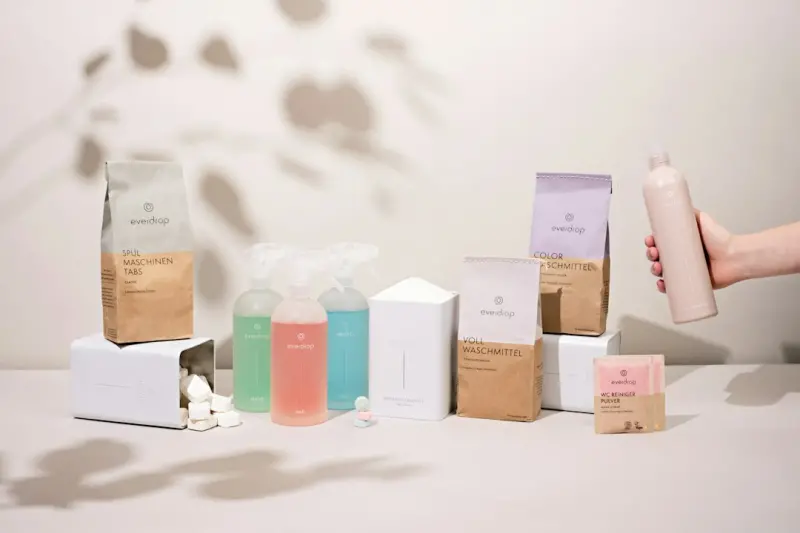
Refillable Personal Care: Turning Sustainable Choices into Everyday Rituals
Refillable personal care is more than eco‑friendly packaging; it’s a shift in consumer rituals, ... Read More

Data-Driven Skincare: The Next Personal Care Revolution
A deep dive into how AI, microbiome science, and sustainable packaging are personalizing skincare, e... Read More
Top Posts
The Energy Revolution: Jim Pearse’s Take on Power, Policy, and the Future
Jim Pearse dives into the energy shift of 2024, covering decentralized power, AI-driven grids, battery breakthroughs, and policy impacts shaping a cleaner futur...Read More

Invite the Outdoors In: Biophilic Home Hacks for Healthier Living
Learn how to integrate natural elements—plants, light, textures, and water—into any living space, creating a healthier, more calming home environment with e...Read More

Amanda Williams’s Guide to a Bold, Balanced Lifestyle
Amanda Williams shares her rebel‑inspired lifestyle playbook, from smart home makeovers to fearless digital habits, to help you live boldly and sustainably....Read More
Things You're Tossing in the Recycling Bin That Don't Belong There
Many households unknowingly contaminate their recycling by tossing in unrecyclable items like greasy pizza boxes or plastic film. This guide explains exactly wh...Read More
0 Comments
Post Comment
You will need to Login or Register to comment on this post!