
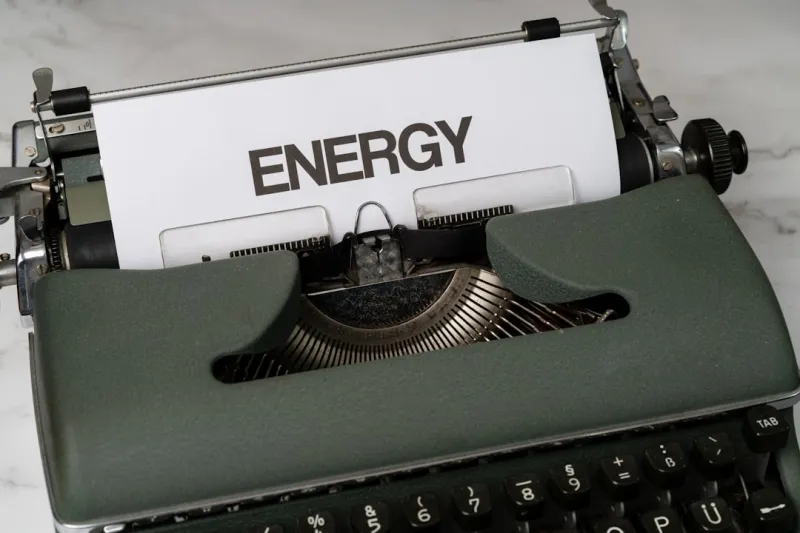
Why Energy Is the New Frontier in 2024
When I first cut my teeth on the tech beats of the early 2010s, power was something you took for granted—electricity flicked a switch, and the world kept humming. Fast forward to today, and energy has vaulted to center stage, not just as a utility but as a catalyst for cultural, economic, and environmental transformation. Renewable sources, micro‑grids, and carbon‑free ambition dominate boardrooms and coffee shop conversations alike, and the buzz is palpable: every consumer now asks, “Where does my power come from, and how clean is it?” This shift isn’t a fleeting trend; it’s a structural pivot that redefines how we live, work, and even play. As an observer who’s chased stories from Silicon Valley to the solar farms of the Southwest, I’m convinced that the energy narrative is the most compelling plot of our time, and the next chapters will be written by the very people who once turned off lights to save a buck.
The Rise of Decentralized Power
Decentralization used to be a buzzword reserved for blockchain and start‑ups, but it has now taken root in the very wires that light our homes. Rooftop solar panels, community wind cooperatives, and home‑scale battery packs are turning households into mini power plants, democratizing an industry once monopolized by a handful of utilities. This transformation is more than a technical marvel; it’s a social movement that empowers neighborhoods to dictate their own energy destiny, reducing reliance on distant, carbon‑heavy grids. The ripple effects are profound—lower electricity bills, increased resilience during storms, and a surge in local jobs focused on installation, maintenance, and data analytics. I’ve spoken with families in Arizona who now sell excess solar back to the grid, and they tell me the pride they feel is comparable to a farmer harvesting a bumper crop. Decentralized power is rewriting the rulebook, and the rule‑makers are ordinary people plugging in their own future.
Smart Grids Meet AI: The Intelligent Backbone
Imagine a city where traffic lights, streetlights, and appliances communicate in real time, optimizing energy flow with the precision of a chess grandmaster. That’s the promise of smart grids powered by artificial intelligence, a convergence that feels like science fiction stepping onto the main stage. AI algorithms analyze consumption patterns, weather forecasts, and grid stress points, then automatically reroute power to where it’s needed most, cutting waste and shaving off carbon emissions. The impact of artificial intelligence on our daily lives is already evident in predictive maintenance that prevents outages before they happen, and in demand‑response programs that reward households for shifting usage to off‑peak hours. As someone who has chronicled tech trends for over a decade, I’m struck by how these invisible networks are becoming the nervous system of our urban ecosystems, quietly ensuring we stay powered without the drama of blackouts or the guilt of fossil fuel dependence.
Sustainable Materials and the Battery Revolution
The next frontier in energy isn’t just about generating power; it’s about storing it efficiently, safely, and sustainably. Traditional lithium‑ion batteries have served us well, but their reliance on scarce minerals and complex recycling processes is prompting a wave of innovation. Researchers are now engineering batteries from abundant resources like sodium, magnesium, and even organic compounds derived from waste biomass, aiming to reduce ecological footprints while boosting capacity. Coupled with advances in solid‑state technology, these new chemistries promise longer lifespans, faster charging, and reduced fire risk—attributes that could finally make electric vehicles and home storage systems truly mainstream. I recently toured a lab in Michigan where a prototype battery, built from recycled coffee grounds, powered a small micro‑grid for a remote town. The sight of a coffee‑scented power source felt emblematic of a broader shift: turning everyday waste into the lifeblood of a cleaner, more resilient energy future.
Policy, Incentives, and the Consumer Voice
While technology drives progress, policy is the lever that accelerates—or stalls—adoption on a mass scale. Recent federal tax credits for residential solar installations, combined with state‑level net‑metering reforms, have lowered the entry barrier for average homeowners, turning what was once a niche investment into a viable financial decision. Yet, the policy landscape remains a patchwork, with some regions offering generous rebates while others impose outdated fees that discourage innovation. Consumer advocacy groups are now louder than ever, pushing for standardized incentives that level the playing field across state lines. As an author who has chronicled the interplay between regulation and industry, I’ve seen how a well‑crafted policy can spark a boom—think of the rapid uptake of LED lighting after energy‑star standards were introduced. The message is clear: informed, vocal consumers can shape the legislative agenda, ensuring that the energy transition is inclusive, equitable, and fast‑moving.
Energy‑Centric Lifestyle Integration
Energy is no longer confined to the utility bill; it’s woven into the fabric of everyday life, influencing how we design homes, commute, and even entertain. Smart thermostats learn our routines, adjusting heating and cooling to match occupancy patterns, while solar‑powered chargers sit on kitchen counters, ready to juice up phones and electric bikes. The rise of “energy‑first” architecture—buildings that prioritize passive solar design, high‑performance insulation, and on‑site generation—means that new constructions are becoming self‑sufficient ecosystems rather than energy‑hungry boxes. I recently interviewed a family who retrofitted their historic home with insulated windows, a geothermal heat pump, and a discreet solar array, cutting their carbon footprint by 70% without sacrificing charm. Their story illustrates a broader cultural shift: people are no longer passive recipients of power; they are active curators, curating their own energy footprints with a blend of technology, design, and conscious habit formation.
Connecting Energy to Broader Trends
Energy trends rarely exist in isolation; they intersect with fashion, home improvement, and even mental health—domains I’ve explored in previous pieces. For instance, the aesthetic of solar panels has evolved from bulky, industrial slabs to sleek, architecturally integrated tiles that complement modern design, echoing the fashion forecast for a cleaner, minimalist look. Simultaneously, smart home upgrades—like energy‑monitoring dashboards—are becoming staple features in sustainable home renovations, blurring the line between utility and style. Even the conversation around mental well‑being now includes the calming effect of stable, reliable power, especially as remote work demands uninterrupted connectivity. These cross‑industry synergies underscore that energy is the connective tissue of modern living, shaping not just how we power devices, but how we experience the world around us.
Challenges on the Horizon
Despite the optimism, the path to a fully decarbonized grid is riddled with hurdles that demand immediate attention. Grid modernization requires massive capital investment, and many utilities are hesitant to overhaul legacy infrastructure without clear ROI. Moreover, the raw materials needed for next‑generation batteries—cobalt, lithium, rare earths—are still sourced from geopolitically sensitive regions, raising concerns about supply chain security and ethical mining practices. Climate‑induced extreme weather events also test grid resilience, exposing vulnerabilities in areas unprepared for rapid temperature swings or flooding. Addressing these challenges calls for a multi‑pronged strategy: public‑private partnerships to fund resilient infrastructure, stricter environmental standards for mineral extraction, and community‑driven micro‑grid projects that can operate autonomously when the larger network falters. As a storyteller, I find these complexities compelling—they add depth to the narrative and remind us that transformation is as much about overcoming obstacles as it is about celebrating breakthroughs.
The Road Ahead: A Vision for 2030
Looking ten years forward, I envision a world where clean energy is not a premium option but the default backdrop of daily life. By 2030, the majority of homes will generate a portion of their own power, with excess seamlessly fed into a hyper‑responsive, AI‑managed grid that balances supply and demand in real time. Electric vehicles will dominate streets, supported by ubiquitous ultra‑fast charging stations powered by renewable farms that stretch across deserts, seas, and rooftops. Communities will be built around energy hubs—local batteries, shared solar arrays, and micro‑grids—that foster resilience, reduce emissions, and create new economic opportunities. The narrative will shift from “saving energy” to “optimizing energy,” with citizens equipped with intuitive dashboards that turn data into actionable insights. If we harness the momentum of today’s innovations, align policies with consumer needs, and keep the conversation honest and inclusive, that future is well within reach—powered by the very forces we are just beginning to understand and master.

Jim Pearse, a seasoned freelance writer, brings a wealth of knowledge and passion to the world of home and garden. From the intricacies of landscaping to the nuances of interior design, Jim delves into every aspect of creating comfortable, beautiful, and functional living spaces.
Related Posts
Powering Tomorrow: Why Green Hydrogen Is the Energy Game‑Changer
Green hydrogen, generated via renewable‑powered electrolysis, offers a versatile, zero‑carbon fu... Read More

Invisible Power: Turning Everyday Motion into Renewable Energy
Discover how everyday movements and heat can be harvested for electricity, creating a subtle yet pow... Read More
Powering the Future: Real‑Time Energy Data Transforms B2B SaaS
Real‑time energy data, AI‑driven forecasts, and edge‑enabled microgrids are turning energy fro... Read More
Top Posts

These Lawn-Mowing Mistakes Are Killing Your Grass
Are your efforts to get a perfect yard actually hurting your turf? Discover the most common lawn-mowing mistakes that lead to thinning, disease, and unsightly b...Read More

The Winter Tire Debate: Navigating the Intersection of Safety, Economics, and Public Policy
As winter descends, bringing with it the characteristic chill, snow, and ice, a recurring discussion emerges in countless households, garages, and policy forums...Read More
Designing for Cognitive Flow: How Web Interfaces Can Boost Human Focus
A deep dive into designing web experiences that nurture cognitive flow through contextual clarity, rhythmic micro‑interactions, and energy‑aware performance...Read More

How to Locate a Lost iPhone, iPad, Apple Watch, and MacBook: A Comprehensive Guide to Finding Your Apple Devices
Losing an Apple device – whether it’s your indispensable iPhone, your versatile iPad, your trusted Apple Watch, or your powerful MacBook – can induce imme...Read More
0 Comments
Post Comment
You will need to Login or Register to comment on this post!