
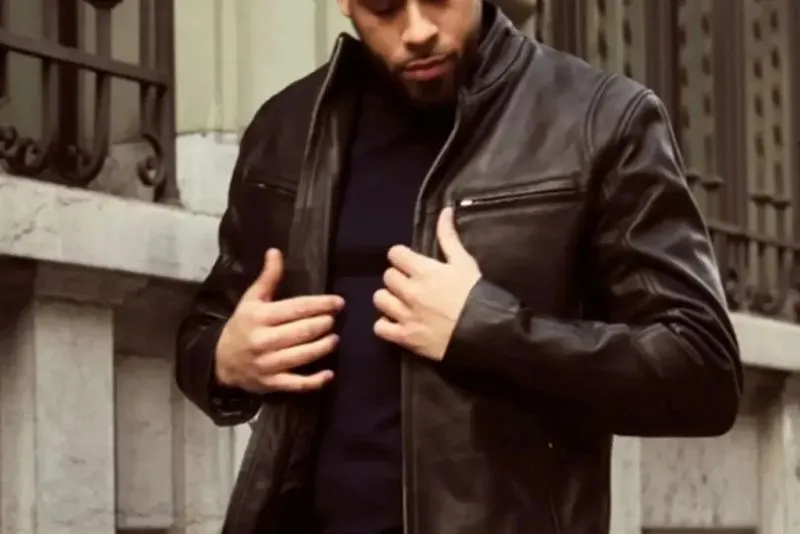
The Evolution of Jacket Styles: A Fashion Timeline
The history of clothing is a fascinating journey through necessity, status, and self-expression. Among all wardrobe staples, the evolution of jacket styles stands out as a unique mirror reflecting the sociopolitical shifts of humanity. From the rugged furs worn by our ancestors to the high-tech, weather-resistant shells of the modern era, the jacket has continuously adapted to meet the demands of time.
Understanding how we reached today’s diverse outerwear landscape requires a deep dive into the historical milestones that shaped garment construction. Whether you are a fashion enthusiast or simply someone looking to elevate your seasonal wardrobe, tracking these changes reveals why certain designs remain timeless while others fade into obscurity.
The Ancient Roots of Outerwear
In the earliest human societies, the primary purpose of a jacket was survival. Long before the concept of "style" existed, early humans utilized animal hides and furs to provide a layer of protection against the harsh elements. These primitive garments were functional, heavy, and often lashed together with sinew or leather strips.
From Utility to Status
As civilization progressed, the jacket began to signal social hierarchy. In ancient Mesopotamia and Egypt, the complexity of a garment’s construction and the rarity of the materials used were clear indicators of wealth. The transition from simple hides to woven fabrics allowed for more intricate designs, marking the birth of fashion as a social differentiator.
During the Middle Ages, the development of the tunic and the doublet changed the silhouette of European menswear. These pieces were often fitted, designed to show off the physique of the wearer while providing warmth. This era proved that outerwear could be both practical for daily labor and decorative for courtly life.
The Renaissance and the Rise of Tailoring
The Renaissance period brought a revolution in fabric manipulation. With the invention of more advanced sewing techniques, jackets became more structured and tailored. The doublet, which originated as a military garment, became a staple of noble fashion, featuring intricate padding and elaborate embroidery.
This period also saw the introduction of the "jerkin," a sleeveless jacket worn over the doublet. This layering effect was a precursor to the modern three-piece suit style. By emphasizing the waist and chest, these garments set the standard for masculine elegance for centuries to come.
The 19th Century: The Birth of the Modern Jacket
The industrial revolution catalyzed a massive shift in how jackets were produced and perceived. With the advent of mass manufacturing, high-quality outerwear became more accessible to the middle class. This democratization of fashion paved the way for iconic styles that we still recognize today.
The Iconic Trench Coat
Perhaps no piece of outerwear has as rich a history as the trench coat. Originally designed for British soldiers during the First World War, the coat was crafted from durable, water-resistant gabardine. Its functional features—such as deep pockets, shoulder straps, and a belted waist—were purely utilitarian.
Post-war, these garments transitioned seamlessly into civilian life. Hollywood legends of the 1940s and 1950s solidified the trench coat as a symbol of mystery and sophistication. Today, it remains a must-have item in any capsule wardrobe, proving that true utility never goes out of style.
The 20th Century: Rebellion and Innovation
The 1900s marked the most rapid period of evolution in fashion history. As global cultures blended and youth movements emerged, the jacket became a tool for rebellion. The mid-century era saw the rise of the leather biker jacket, a piece synonymous with counter-culture movements and the desire for freedom.
- The Leather Biker Jacket: Became a symbol of non-conformity in the 1950s.
- The Denim Jacket: Emerged as a rugged, workwear-inspired staple for the masses.
- The Bomber Jacket: Transitioned from military cockpit utility to urban streetwear.
- The Puffer Jacket: Introduced advanced synthetic insulation for extreme weather.
The Rise of Casualization
By the 1970s and 80s, the rigid dress codes of the past began to crumble. Jackets became more relaxed, incorporating bold colors, synthetic materials, and experimental silhouettes. Windbreakers and track jackets entered the mainstream, fueled by the rising popularity of fitness culture and early hip-hop aesthetics.
The Modern Era: Sustainability and High-Tech Fabrics
Today, the evolution of jacket styles is defined by two major pillars: performance and environmental consciousness. Modern consumers no longer want to choose between looking good and protecting the planet. Consequently, the fashion industry has shifted toward sustainable sourcing and circular manufacturing processes.
Functional Fashion and Tech-Wear
The surge of "tech-wear" has introduced fabrics like GORE-TEX and recycled nylon to the everyday wardrobe. These materials offer breathability, waterproofing, and durability that our ancestors could never have imagined. These jackets aren't just for outdoor adventurers; they are essential components of urban mobility.
Furthermore, designers are now focusing on modularity. Many modern jackets feature removable hoods, reversible panels, and expandable pockets. This design philosophy embraces the reality of unpredictable weather patterns and the need for versatility in a fast-paced world.
Key Trends Defining the Current Landscape
Fashion moves in cycles, and we are currently seeing a massive resurgence of vintage aesthetics mixed with modern technology. The "heritage" look is back, with wool overcoats and waxed cotton jackets gaining popularity among style influencers. Yet, these pieces are often updated with hidden, high-tech features.
Another major trend is the focus on "gender-fluid" silhouettes. Outerwear designers are increasingly moving away from strictly gendered sizing, opting for oversized or adjustable fits that look great on everyone. This inclusive approach is reshaping how we buy and wear jackets, making them more communal and adaptable.
How to Choose the Right Jacket for Your Lifestyle
With so many historical influences and modern innovations to choose from, picking the perfect jacket can feel overwhelming. To make the right decision, focus on the specific environment where you spend the most time. A commuter in a rainy city requires different features than someone living in a cold, arid climate.
Consider the following factors before making an investment:
- Material Composition: Look for sustainable, durable fibers like organic cotton, recycled polyester, or ethical wool.
- Versatility: Can the jacket be layered? A good jacket should function well in both spring and fall.
- Timelessness: Avoid overly trendy silhouettes if you want a piece that lasts for years.
- Functionality: Ensure the pockets, zippers, and fit meet your daily needs.
The Future of Outerwear
Looking ahead, the evolution of jacket styles will likely be dominated by the intersection of fashion and biotechnology. We are already seeing the early stages of self-cleaning fabrics and jackets that can regulate temperature based on the wearer's heart rate. These advancements will continue to push the boundaries of what a garment can do.
Despite these technological leaps, the essence of the jacket remains unchanged. It is still a protective shell, a way to navigate the world with confidence. Whether it is a classic trench or a futuristic windbreaker, the jacket is arguably the most important piece of clothing in your collection.
Embracing Your Personal Style
As we reflect on the timeline of jackets, it is clear that we have more options than ever before. You don't have to follow every trend to be stylish. Instead, curate a collection that honors the history of these garments while serving your personal needs.
Don't be afraid to experiment with silhouettes. Try pairing a vintage-inspired leather piece with modern performance trousers, or layer a sleek, minimalist overcoat over a casual hoodie. The goal is to celebrate the diversity of fashion while maintaining a functional, durable wardrobe.
Ultimately, your choice in outerwear is a reflection of how you move through the world. By understanding the historical significance of the pieces you wear, you can appreciate the craftsmanship and the evolution that brought them to your closet. Stay warm, stay stylish, and keep exploring the history of fashion.

Miranda Murphy: Experienced freelance writer with a decade of storytelling expertise. Let's create something amazing together!
Related Posts

The Intersection of Fashion and Technology: How Online Shopping is Revolutionizing the Industry
The world of fashion is undergoing a significant transformation, driven by advances in technology. O... Read More
The Evolution of Eco-Friendly Fashion: How Sustainable Living is Revolutionizing the Industry
The fashion industry is undergoing a significant transformation, driven by the growing demand for su... Read More
When Heritage Meets the Street: Reimagining Footwear Through Artisan Collaboration
A deep dive into the emerging synergy between traditional cobbler workshops and urban street‑wear ... Read More
Top Posts
The Hidden Race: How Speed and Intent Are Redefining SERPs
Discover how speed, AI, and intent are reshaping SERPs, and get practical tips to dominate the modern search results page....Read More

The Morning Coffee: Mastering the Golden Ratio for the Perfect Cup
For many, the morning ritual of coffee preparation is a blur of half-awake movements: a scoop of grounds, a splash of water, and the hopeful anticipation of a c...Read More

The Great Calibration: Are Robots Replacing Human Employees, or Redeploying Them?
The integration of artificial intelligence (AI) and robotic systems into the global workforce represents one of the most profound socioeconomic shifts since the...Read More

How to Get Ahead in Your Career
You’ve poured your heart and soul into creating compelling, insightful, or entertaining content. You’ve meticulously crafted each headline, honed every para...Read More
0 Comments
Post Comment
You will need to Login or Register to comment on this post!