
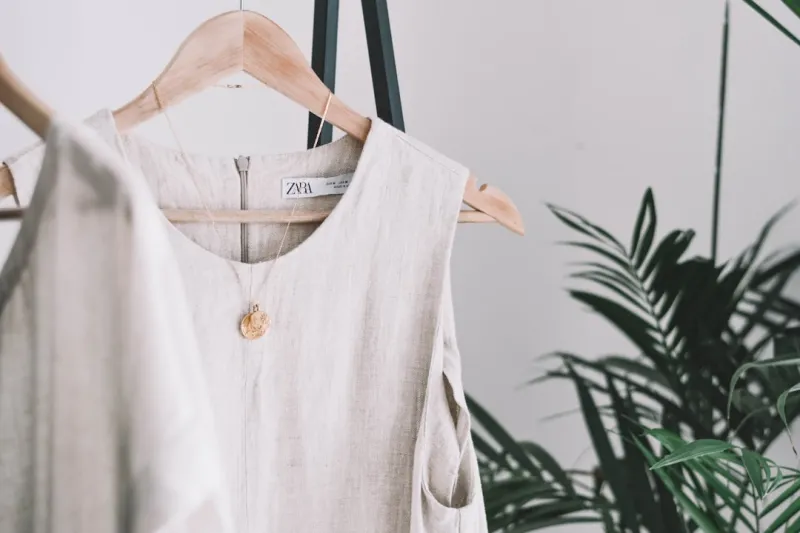
The Evolution of Eco-Friendly Fashion: How Sustainable Living is Revolutionizing the Industry
As a fashion enthusiast and advocate for sustainable living, I am thrilled to see the growing trend of eco-friendly fashion taking center stage. The fashion industry has long been criticized for its environmental impact, from the production of synthetic materials to the staggering amount of waste generated by fast fashion. However, with the rise of sustainable living, a new era of fashion is emerging – one that prioritizes the planet and its resources.
The Dark Side of Fast Fashion
The statistics are staggering: the fashion industry produces over 12% of global greenhouse gas emissions, uses around 2,000 liters of water to produce just 1 kilogram of cotton, and generates an estimated 92 million tons of waste per year. Fast fashion has become a cultural phenomenon, with consumers expecting new, trendy pieces at an affordable price. However, this come-and-go approach to fashion has severe consequences, from exploiting cheap labor to perpetuating a culture of disposability. For instance, the rapid production and disposal of fast fashion contribute to the staggering amount of textile waste that ends up in landfills and oceans.
The Rise of Sustainable Fashion
In recent years, there has been a significant shift towards sustainable fashion. Consumers are becoming increasingly aware of the environmental and social impact of their purchasing decisions. As a result, eco-friendly fashion is gaining traction, with brands and designers turning to sustainable materials, reducing waste, and promoting recycling. Sustainable fashion not only benefits the environment but also encourages a more thoughtful and intentional approach to consumption. This shift towards sustainable fashion is also influencing other industries, such as web development, where eco-friendly website design is becoming increasingly popular.
The Intersection of Sustainable Living and Fashion
The intersection of sustainable living and fashion is not just about eco-friendly materials or production methods; it's also about changing our mindset towards consumption. Sustainable living encourages us to adopt a more minimalist approach to fashion, valuing quality over quantity and prioritizing timeless pieces over trendy ones. By embracing sustainable fashion, we can reduce waste, conserve resources, and promote fair labor practices. Moreover, sustainable living and fashion are closely linked to mental health, as a more mindful approach to consumption can lead to a healthier and more balanced lifestyle.
The Role of Technology in Sustainable Fashion
Technology is playing a crucial role in the evolution of sustainable fashion. From innovative materials made from recycled plastic to digital platforms promoting clothing sharing and swapping, technology is enabling a more circular and regenerative fashion industry. For example, some companies are using AI and data analytics to optimize production, reduce waste, and predict fashion trends. Additionally, blockchain technology is being used to ensure transparency and accountability in the fashion supply chain, enabling consumers to make more informed purchasing decisions.
The Future of Fashion
As we look to the future, it's clear that sustainable fashion is here to stay. The industry is shifting towards a more circular and regenerative model, prioritizing the planet and its resources. Consumers, brands, and designers must work together to create a more sustainable fashion industry, one that values quality, creativity, and environmental responsibility. By embracing sustainable fashion, we can not only reduce waste and conserve resources but also promote a more equitable and just industry. This requires a fundamental transformation of the fashion industry, from production to consumption, and involves revolutionizing the way businesses operate.
Challenges and Opportunities
While the growth of sustainable fashion presents many opportunities, it also poses significant challenges. One of the main obstacles is the higher cost associated with sustainable materials and production methods. However, as demand for eco-friendly fashion grows, economies of scale are being achieved, making sustainable fashion more accessible to a wider audience. Another challenge is the need for greater transparency and accountability in the fashion supply chain. By leveraging technology and innovative materials, we can create a more sustainable and equitable fashion industry.
Conclusion
The evolution of eco-friendly fashion is a critical step towards a more sustainable future. As consumers, we have the power to drive change by making informed purchasing decisions and supporting brands that prioritize sustainability. By embracing sustainable fashion, we can reduce waste, conserve resources, and promote a more equitable and just industry. The intersection of sustainable living and fashion is complex and multifaceted, but by working together, we can create a brighter, more sustainable future for all.
Call to Action
So, what can you do to join the sustainable fashion revolution? Here are a few simple steps:
- Buy second-hand or rent clothing
- Invest in timeless, high-quality pieces
- Research brands and their sustainability policies
- Care for your clothes and extend their lifespan
By making these small changes, you can contribute to a more sustainable fashion industry and help create a better future for our planet.
Final Thoughts
The future of fashion is in our hands. By embracing sustainable fashion, we can reduce waste, conserve resources, and promote a more equitable and just industry. As we move forward, it's essential to prioritize sustainability, creativity, and environmental responsibility. Together, we can create a brighter, more sustainable future for fashion and for our planet.

Brad Hays is a freelance writer known for his versatile skill set and ability to craft compelling content across a wide range of industries.
Related Posts
When Your Sneakers Talk: How Data-Driven Design Is Changing Footwear Culture
Smart shoes are no longer a novelty—they’re a fusion of design, health tracking, and eco‑consc... Read More
Modular Style: Building a Capsule Wardrobe That Grows With You
Discover how to transform a static closet into a versatile, sustainable system using modular pieces,... Read More

From Runway to Real Life: Curating a Capsule Wardrobe with Statement Footwear
Discover a fresh approach to fashion by curating a capsule wardrobe where bold shoes become the foca... Read More
Top Posts

The Future of Home Appliances: Trends to Watch
The future of home appliances is exciting and full of possibilities. From smart appliances to eco-friendly laundry systems, learn about the top trends to watch ...Read More

Why Insurance Is the Next Strategic Layer for SaaS Companies
Embedding insurance directly into SaaS offerings shifts it from a cost center to a competitive advantage, enhancing customer trust, reducing churn, and creating...Read More

Five Tips for a Professional Blog
In today's digital landscape, a blog can be a powerful tool for individuals and businesses alike. It's a platform to share expertise, connect with an audience, ...Read More

The Unseen Frontline: Redefining Online Safety for Remote Teams
A practical guide for remote leaders to transform online safety from a static checklist into a dynamic, culture‑first strategy, featuring AI defenses, digital...Read More
0 Comments
Post Comment
You will need to Login or Register to comment on this post!