
The Hidden World Beneath Your Bed‑of‑Roses
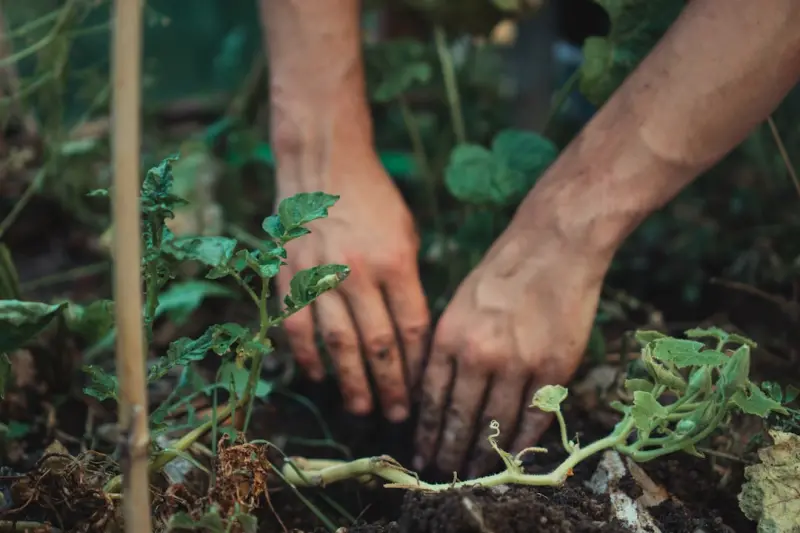
When I first dug a trench for my rosemary, I expected to encounter the usual suspects: loam, a few weeds, maybe a stray worm. What I didn’t anticipate was a bustling metropolis of invisible allies, each one working tirelessly to feed my plants, protect them from disease, and even whisper signals about when to bloom. This underground society is the soil microbiome—a complex network of bacteria, fungi, archaea, and protozoa that, when nurtured, can turn an average garden into a thriving, resilient oasis.
Why the Microbiome Matters (Even If You’re Not a Scientist)
Think of soil microbes as the backstage crew of a theater production. You may never see them, but without their coordination, the show simply can’t go on. These microscopic organisms break down organic matter into nutrients that plants can absorb, produce hormones that stimulate root growth, and outcompete harmful pathogens. In short, a healthy microbiome means:
- More efficient nutrient uptake – plants need less fertilizer.
- Improved water retention – soil holds moisture longer, reducing irrigation.
- Natural disease resistance – beneficial microbes suppress root rot, blight, and other foes.
- Greater resilience to climate stress – hotter summers and erratic rains become less intimidating.
For a home gardener, that translates into stronger plants, bigger harvests, and a garden that feels less like a chore and more like a conversation with nature.
Getting Started: Simple Steps to Invite the Good Guys In
Don’t panic—building a robust soil microbiome doesn’t require a Ph.D. in microbiology. Below are practical actions you can adopt today, regardless of whether you have a sprawling backyard or a balcony container garden.
1. Embrace Compost, Not Just “Garden Soil”
Compost is the ultimate source of diverse microbes. When you add well‑rotted kitchen scraps, coffee grounds, or leaf litter to your beds, you’re feeding the microbial community directly. Aim for a compost pile that stays moist (like a wrung‑out sponge) and turns every few weeks. The resulting “black gold” is a microbial inoculant you can spread thinly over planting rows.
2. Reduce Tillage – Let the Soil Rest
Every time you dig, you disrupt fungal hyphae and bacterial networks that have taken years to establish. Adopt a no‑till or minimum‑till approach: plant directly into mulch, use a broadfork for aeration, and let plant roots do the work of breaking up compacted layers.
3. Mulch Like a Pro
A layer of organic mulch (straw, shredded bark, pine needles) does three things at once: it conserves moisture, moderates soil temperature, and provides a constant food source for microbes as it slowly decomposes. Keep the mulch 2–3 inches thick and refresh it annually.
4. Introduce Mycorrhizal Fungi
These beneficial fungi form symbiotic relationships with plant roots, extending their reach for water and phosphorus. You can purchase inoculant powders or granules at garden centers; simply dust the spores onto the root zone when planting. Over time, the fungi colonize the roots, and you’ll notice plants thriving with less fertilizer.
5. Diversify Plantings
Monocultures create a narrow niche that favors a few microbial strains—and often the pathogens that love those same hosts. Rotate crops, interplant legumes with vegetables, and sprinkle in flowers like marigolds or nasturtiums. Variety encourages a richer microbial tapestry.
6. Avoid Synthetic Overload
Excessive synthetic fertilizers can “feed” the wrong microbes, leading to imbalances that make plants more vulnerable. If you need to supplement, opt for slow‑release organics (e.g., bone meal, kelp) and apply in modest amounts.
Case Study: Transforming a Neglected Plot into a Micro‑Marvel
Last spring, my neighbor confessed that her once‑vibrant vegetable patch had turned into a “brown, lifeless carpet.” She’d been using chemical fertilizers and digging up the soil every few weeks to weed. I offered to help, and we applied the principles above:
- We removed the surface layer of weeds and added a 3‑inch blanket of straw mulch.
- We introduced a commercial mycorrhizal inoculant to the tomato seedlings.
- We mixed a batch of homemade compost into the planting beds, then covered it with a thin layer of shredded leaves.
- We planted a mix of beans, basil, and calendula, creating a mini‑poly‑culture.
Within six weeks, the soil smelled earthy again, the seedlings were greener, and the first tomatoes began to blush. By the end of the season, her yield had doubled, and she reported fewer pest issues. The transformation was a vivid reminder that “soil health” is a living, breathing concept—not a static metric.
Advanced Tricks for the Curious Gardener
If you’re eager to dive deeper, here are a few science‑backed techniques that can give your microbiome an extra boost.
Biochar: The Charcoal That Feeds Soil
Biochar—charcoal made from plant waste—acts like a sponge for microbes, providing shelter and a surface for beneficial bacteria to colonize. Mix a handful of biochar per square foot into the topsoil and watch it hold nutrients and water more effectively.
Cover Crops: Nature’s Living Mulch
Planting cover crops such as clover, rye, or buckwheat during off‑season periods adds organic matter and root exudates that feed microbes. When you terminate the cover crop (by cutting it down and letting it decompose), you return a burst of nutrients to the soil.
Beneficial Bacterial Sprays
Commercial products containing strains like Bacillus subtilis can be sprayed onto foliage and soil to suppress fungal pathogens. While not a silver bullet, they can be part of an integrated approach that reduces reliance on synthetic fungicides.
Connecting the Garden to Your Living Space
Healthy soil isn’t just about plants—it also shapes the atmosphere of your home. A thriving garden can become a biophilic DIY project, infusing your indoor environment with fresh air and calming green views. When you step onto a patio overlooking a vibrant, microbe‑rich garden, the stress of daily life melts away, echoing the same sense of calm you’d feel walking through a stress‑free home entryway. The soil’s quiet work, though unseen, creates a backdrop of well‑being that ripples from the ground up.
Measuring Success: How to Tell If Your Microbiome Is Thriving
While you can’t see microbes with the naked eye, there are simple signs that indicate a healthy underground community:
- Rich, crumbly soil texture – indicates good organic matter and active microbial activity.
- Earthy smell – a pleasant, mushroomy scent signals active decomposition.
- Rapid plant growth and strong foliage – plants are efficiently extracting nutrients.
- Reduced need for chemical inputs – fewer fertilizers and pesticides are required.
- Abundant earthworms and small insects – these are macro‑indicators of a thriving micro‑environment.
For the truly data‑driven gardener, home soil test kits now include microbial activity meters, giving you a numeric glimpse into the bustling world beneath your beds.
Final Thoughts: Let the Soil Do the Heavy Lifting
Gardening has always been a dance between what we sow and what we reap. By shifting focus from the visible stems to the invisible soil life, you empower nature to take the lead. A robust soil microbiome means less work, fewer chemicals, and a garden that feels alive in a way that transcends aesthetics—it becomes a partner in your well‑being. So the next time you kneel to plant a seed, pause, and consider: what can I do to invite the good microbes in? The answer is often as simple as a handful of compost, a layer of mulch, and a respectful nod to the tiny architects building your garden’s future.

Steph Sanderson is a Toronto-based freelance writer and content creator with a clear passion: crafting compelling articles. With a dedication to clear, engaging prose and a knack for storytelling, Steph brings a wealth of experience to every project.
Related Posts

Balancing Speed and Slow Living in the Modern Garden
Explore the sweet spot where fast garden tools meet slow, mindful cultivation—learn to grow abunda... Read More
Cultivating a Data‑Driven Micro‑Garden for Urban Creatives
Discover a fresh, data‑informed approach to urban gardening that blends design thinking, sensor te... Read More
Cultivating Your Personal Microclimate: A Gardener’s Guide to Weather‑Smart Planting
Discover the art of microclimate gardening: map your balcony’s unique conditions, choose compatibl... Read More
Top Posts

Unlocking the Hidden Power of Virtual Private Servers for SaaS Growth
A deep dive into how Virtual Private Servers blend dedicated control with cloud flexibility, delivering predictable costs, robust security, and scalable perform...Read More

Safety First: A Comprehensive Guide to Prudent Ice Fishing Practices
Ice fishing offers a unique and rewarding encounter with nature, blending the tranquility of a frozen landscape with the thrill of the catch. However, this purs...Read More

Hitting the Road With Kids: Must-Haves for a Smooth Journey
Road trips with kids can be a fantastic way to create lasting family memories. The open road, quirky roadside attractions, and shared experiences can strengthen...Read More

Unlocking the Hidden Potential of Google’s Generative AI for B2B SaaS Growth
Discover how Google’s Gemini and Duet AI can accelerate product design, personalize experiences at scale, and deliver AI‑powered insights, giving B2B SaaS c...Read More
0 Comments
Post Comment
You will need to Login or Register to comment on this post!