

When I first started swapping out tired wallpaper for living‑room art, I quickly learned that a home isn’t just a backdrop for life—it’s an active participant. Every hallway, nook, and window can either drain our energy or recharge it, and the difference often lies in the subtle choices we make during a remodel. In this post, I’m sharing the hands‑on strategies I’ve used to turn ordinary rooms into thriving, health‑boosting spaces without needing a professional crew or a massive budget.
1. Bring the Outdoors In, One Layer at a Time
Biophilic design isn’t just a buzzword for architects; it’s a practical toolkit for anyone who wants to feel a little more grounded while they work from home or unwind after a long day. The core idea is simple: integrate natural elements—light, texture, greenery—into the built environment.
Start with the floor. A woven jute rug or reclaimed wood runner can instantly soften hard surfaces while adding an organic scent that reminds you of a forest walk. If you’re on a tighter budget, consider painting a small section of the floor with a matte, earth‑tone paint that mimics natural stone.
Layer in foliage. I’ve found that a mix of low‑maintenance plants—like snake plants, pothos, and ZZ plants—offers visual interest without demanding a green‑thumb. Position them near windows to take advantage of natural light (more on that later). For apartments where floor space is limited, hanging planters or a vertical garden wall become both a design statement and a space‑saving solution.
Beyond décor, think about the sounds of nature. A small tabletop fountain or a set of wind chimes placed near a sunny window can mask urban noise, creating a calmer atmosphere. It’s a low‑tech way to infuse the space with the soothing qualities of a nearby stream.
2. Harness Daylight Without Wasting Energy
We all love a bright room, but it’s easy to let sunlight become a source of glare or overheating. The key is to manage light intelligently. The post Rediscovering the Art of Daylight dives deep into how sunlight influences our rhythm, but here’s a quick, practical cheat sheet:
- Sheer curtains. Instead of heavy drapes, opt for light, translucent fabrics that diffuse sunlight evenly, reducing harsh shadows while preserving privacy.
- Strategic mirrors. Placing a mirror opposite a window can bounce light deeper into a room, making even a modest space feel larger and more inviting.
- Window films. Low‑emissivity (Low‑E) films reflect infrared heat while letting visible light through, keeping rooms cooler in summer and warmer in winter.
- Adjustable blinds. Motorized blinds can be programmed to open and close based on the sun’s position, ensuring you never have to manually fight glare during a video call.
When you combine these tactics, you create a dynamic lighting environment that supports both productivity and well‑being.
3. Smart Storage That Looks Like Art
Clutter is the silent enemy of home comfort. Rather than shoving everything into a generic closet, consider storage solutions that double as decorative pieces. Here are a few ideas I’ve tried:
- Floating shelves with hidden brackets. A clean, minimalist look that keeps floor space open.
- Repurposed vintage crates. Stain them in a muted tone and use them for books, blankets, or even a small indoor herb garden.
- Built‑in bench seating with storage. Perfect for entryways—sit down, stash shoes, and keep the space tidy.
Because each piece serves a dual purpose, you reduce the visual noise of multiple furniture items, giving the room a more cohesive feel.
4. Sustainable Upgrades That Pay Off
Home improvements don’t have to be wasteful. By choosing materials that are recycled, reclaimed, or locally sourced, you lower the environmental impact while often gaining a unique aesthetic. A few of my favorite sustainable swaps include:
- Reclaimed wood countertops. Not only do they bring character, but they also avoid the carbon footprint of new lumber.
- Low‑VOC paints. Safer for indoor air quality and often just as vibrant.
- Eco‑friendly flooring. Cork or bamboo floors provide durability and a softer underfoot experience compared to traditional hardwood.
When you pair these choices with the mindset of a Closed‑Loop Cleaning approach—where waste from one process becomes input for another—you turn renovation into a circular system rather than a linear one.
5. DIY Tech Enhancements That Feel Luxurious
Technology can feel intimidating, but a handful of simple gadgets can elevate everyday comfort without turning your home into a smart‑home showroom.
- Ambient temperature sensors. Place them in each room and connect them to a smart thermostat. The system learns your preferences and adjusts heating or cooling accordingly, saving energy and keeping you comfortable.
- Voice‑activated lighting presets. Using inexpensive smart bulbs, program scenes like “Focus” (bright, cool light) and “Relax” (warm, dimmed light) that you can trigger with a single phrase.
- Wireless charging stations built into nightstands. No more tangled cords on the bedside; a sleek pad powers your phone while you sleep.
The goal isn’t to fill every wall with a speaker; it’s to pick a few high‑impact tools that simplify life and blend seamlessly with the design aesthetic you’ve cultivated.
6. Create Multi‑Functional Zones
Especially in smaller homes, the ability to switch a space’s purpose on the fly is priceless. I’ve experimented with a few tricks that let a single room serve as a home office, yoga studio, and guest room without feeling cramped:
- Fold‑away desks. Wall‑mounted units that tuck away when not in use free up floor space for a quick meditation session.
- Murphy beds with built‑in shelving. They transform a bedroom into a workspace in seconds.
- Modular rugs. Use different rug sections to delineate zones—one for work, one for relaxation.
By defining zones visually rather than structurally, you preserve an open feel while still giving each activity its own “home.”
7. Finish With Thoughtful Details
It’s often the small touches that make a space feel truly personalized. Here’s my short checklist for the finishing layer:
- Hand‑crafted hardware. Swap out generic cabinet knobs for artisan‑made metal or ceramic pieces.
- Texture contrast. Pair a smooth marble countertop with a rough‑hewn wooden cutting board—visual and tactile interest.
- Personal art. Even a single framed photograph of a favorite travel spot can anchor a room’s emotional tone.
When each element is chosen intentionally, the entire home begins to feel like an extension of your personality rather than a generic showroom.
Putting It All Together: A Sample Room Refresh
To illustrate how these ideas intersect, imagine you’re tackling a modest living room that currently feels “meh.” Here’s a step‑by‑step narrative of how I’d approach it:
- Assess the light. Measure how many hours of direct sun the room gets. Install sheer curtains and a mirror opposite the main window to amplify natural light.
- Introduce greenery. Add a tall fiddle‑leaf fig in a reclaimed‑wood planter near the window, and hang a series of small succulents on the wall using a floating shelf.
- Upgrade the floor. Lay down a jute rug that adds texture and warmth without covering the entire floor.
- Revamp storage. Replace a bulky entertainment console with floating shelves and a vintage crate that doubles as a side table.
- Embed tech. Fit smart bulbs that can shift color temperature for work or relaxation, and set up an ambient temperature sensor linked to your thermostat.
- Define zones. Use a modular rug to separate a reading nook from the main seating area. A fold‑away desk tucked into the nook provides a workspace without clutter.
- Finish with details. Swap out cabinet knobs for brushed‑copper ones and hang a single large canvas print that reflects your favorite landscape.
The result? A space that feels airy, functional, and deeply personal—all achieved with a mix of DIY projects, smart choices, and a sprinkle of nature.
Remember, home improvement isn’t a race. It’s a series of intentional decisions that accumulate into a living environment that supports your health, productivity, and joy. By blending biophilic principles, sustainable materials, and thoughtful tech, you can create a home that feels both grounded and forward‑thinking.
So next time you walk through your front door, ask yourself: does this space welcome me back, inspire me forward, and respect the world I’m part of? If the answer is “yes,” you’re already on the right track.

Laura Wilson is a freelance writer specializing in the dynamic and ever-evolving field of health. With a passion for translating complex medical information into accessible and engaging content, Laura brings a wealth of knowledge and a fresh perspective to topics ranging from preventative care and nutrition to cutting-edge research and innovative treatments.
Related Posts
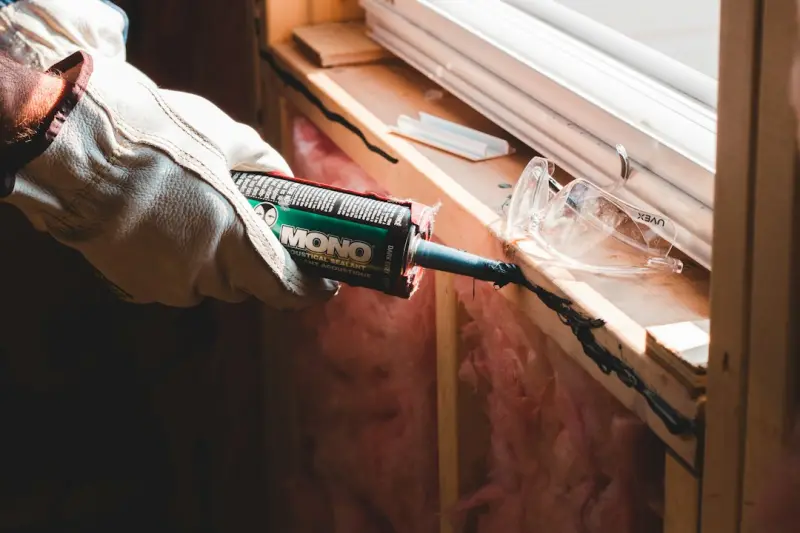
Invisible Storage Solutions for Stylish Homes
Learn how to hide clutter using recessed niches, sliding panels, and low‑code tech, creating a cle... Read More
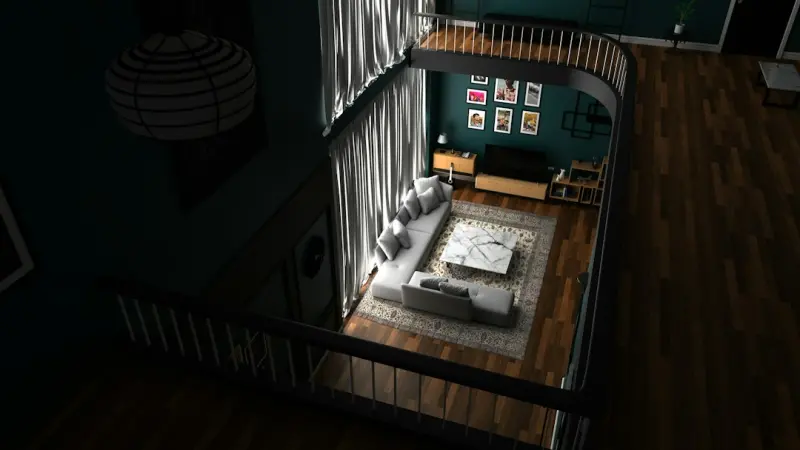
The Quiet‑Zone Overhaul: Small Upgrades That Transform Your Home’s Mood
A practical guide to using light, modular storage, sustainable materials, and simple smart‑home to... Read More

Lighting the Way: Adaptive Light Zones for a Smarter Home
Adaptive lighting zones turn ordinary rooms into responsive spaces, enhancing mood, productivity, an... Read More
Top Posts

Catching Memories: A Comprehensive Guide to Teaching Your Children the Art of Fishing
The act of fishing transcends a mere pastime; it represents an enduring tradition, a gateway to the natural world, and a profound opportunity for familial bondi...Read More
Crafting a Living Digital Legacy: A Practical Playbook
A step‑by‑step guide to building a purposeful digital legacy, covering inventory, narrative crafting, curation, security, communication, and emerging tools ...Read More

Neurobranding: Wiring SaaS Brands Directly Into the Brain
Neurobranding merges neuroscience with SaaS branding, using color, micro‑interactions, sound, and data‑driven storytelling to create instant, trust‑buildi...Read More

Branding Beyond Features: Crafting a SaaS Identity That Resonates
Discover a strategic approach to SaaS branding that aligns product suites, narrative spine, and community engagement, delivering clarity, trust, and growth....Read More
0 Comments
Post Comment
You will need to Login or Register to comment on this post!