

When I first stepped into the SaaS world, the buzz was all about the next big feature, the flashiest UI, or the most aggressive growth hack. It wasn’t long before I realized that every headline, every demo, and every press release was shouting the same thing: “We’re the best at solving X problem.” While that message is important, it’s also painfully generic. The real differentiator lives in the invisible layers of perception that customers build over time—what I like to call the brand’s silent architecture.
The Forgotten Pillar: Brand Architecture for SaaS
Most SaaS companies treat brand as a decorative veneer—an eye‑catching logo, a snappy tagline, perhaps a splash page that looks great on a desktop and a mobile. But brand architecture is more than visual polish; it’s the strategic map that aligns product families, market segments, and the company’s core promise. Think of it as the blueprint for every touchpoint, from a trial sign‑up email to a support ticket resolution.
When you have multiple products—analytics, onboarding, customer success automation—each with its own feature set and pricing tier, the risk is brand dilution. Customers start to ask, “Which product should I buy? Which one is truly for me?” A well‑designed architecture answers these questions before they’re even asked, guiding the buyer journey with clarity and confidence.
Why SaaS Brands Need a Narrative Spine
Every successful brand tells a story. In the B2B realm, that story isn’t a Hollywood epic; it’s a concise, relatable narrative that ties the company’s mission to the everyday challenges of its users. A narrative spine does three things:
- Creates emotional resonance. Decision‑makers are rational, but they also care about trust, reliability, and vision.
- Provides consistency. From sales decks to in‑product messaging, a unified story prevents mixed signals.
- Enables scalability. As you launch new modules or enter new verticals, the spine adapts without losing its core identity.
To craft this spine, start with three questions:
- What problem do we solve that no one else can?
- How does solving that problem change our customers’ lives?
- What values guide how we solve it?
Answering them isn’t a one‑off exercise; it’s an iterative conversation with your product, sales, and support teams.
From Feature Fatigue to Brand Clarity
Feature fatigue is the silent killer of SaaS brands. As teams race to out‑innovate competitors, they pile on capabilities that confuse rather than clarify. The result is a product catalog that looks impressive on a spreadsheet but feels overwhelming to a buyer.
Brand clarity acts as a filter. It forces you to ask: “Does this feature reinforce our core promise, or is it a nice‑to‑have that muddies our message?” By aligning features with the brand narrative, you can prune the catalogue, highlight the most compelling benefits, and communicate a clean, focused value proposition.
Consider a hypothetical SaaS platform that offers both AI‑driven predictive analytics and a legacy reporting engine. If the brand narrative emphasizes “future‑proof decision intelligence,” the legacy engine should be positioned as a migration path, not a primary offering. The brand story tells the customer: “We’re moving you forward, not keeping you stuck in the past.”
Leveraging Structured Data for Brand Consistency
While branding feels intangible, it’s grounded in data. Structured data—schemas, taxonomy, and metadata—ensures that every piece of content, from a blog post to a help article, speaks the same language. This consistency not only boosts SEO but also reinforces brand signals across the web.
Our team recently used a deep dive into structured data to align product documentation with our brand voice. By tagging key concepts like “customer success automation” and “predictive insights” with consistent schema markup, we created a semantic backbone that search engines and users alike recognize as uniquely ours.
Community Conversations: The New Brand Amplifier
Brand building is no longer a broadcast from a corporate megaphone; it’s a dialogue with an engaged community. When customers feel heard, they become brand ambassadors, amplifying your message organically.
One powerful method is to treat link building as a community conversation. Instead of chasing backlinks from generic directories, you collaborate with industry forums, user groups, and niche publications. Each partnership is a chance to co‑create content—case studies, webinars, joint research—that showcases real‑world impact while reinforcing your brand’s expertise.
These community‑driven assets serve dual purposes: they improve domain authority and, more importantly, they embed your brand within the lived experiences of your target audience.
Design Systems: Visual Grammar for Brand Cohesion
Beyond narrative, visual consistency is a cornerstone of brand recall. A design system—a living repository of colors, typography, iconography, and interaction patterns—acts as the visual grammar of your brand. When every button, modal, and email template adheres to the same design rules, users develop subconscious familiarity that reduces friction and builds trust.
Implementing a design system also accelerates development. Designers and engineers no longer debate “what shade of blue should we use?” because the answer lives in the system. The brand benefits from speed, and the product benefits from a unified look and feel.
Measuring Brand Health in a SaaS Context
Unlike consumer brands that can rely on Net Promoter Score (NPS) alone, SaaS brands need a multi‑dimensional health dashboard. Here are four metrics you should track:
- Brand Awareness Lift. Use surveys and search volume analysis to gauge how often your brand name surfaces in relevant conversations.
- Message Consistency Score. Audit marketing collateral, product UI copy, and support scripts to ensure alignment with the brand narrative.
- Community Advocacy Index. Measure the frequency and reach of user‑generated content—blog posts, forum threads, social mentions—that reference your brand positively.
- Retention Correlation. Analyze whether customers who engage with brand‑centric content (e.g., webinars, thought‑leadership pieces) exhibit higher renewal rates.
When you notice a dip in any of these signals, investigate the root cause. Perhaps a new feature rollout introduced messaging that diverged from the core promise, or maybe a support interaction left a negative imprint. Quick remediation protects the brand equity you’ve built.
Case Study: Turning a Feature‑Heavy Suite into a Brand‑Centric Portfolio
One mid‑size SaaS company approached us with a sprawling product suite that spanned onboarding, analytics, and customer success—all under a single brand name. Their customers were confused, churn rates were rising, and the sales team struggled to articulate a clear value proposition.
We began by mapping each product to a distinct sub‑brand anchored by a shared narrative spine: “Empowering teams to make data‑driven decisions at every stage.” The onboarding tool became “LaunchPad,” analytics morphed into “InsightHub,” and the success platform rebranded as “RetentionEngine.” Each sub‑brand carried its own visual identity yet shared color palettes, typography, and tone of voice.
Simultaneously, we refined the content taxonomy, applying structured data tags that linked each sub‑brand’s assets back to the central narrative. Community outreach was re‑engineered to feature joint webinars where customers showcased how they moved from LaunchPad to InsightHub, reinforcing the journey.
Six months later, the company reported a 22% reduction in churn, a 15% lift in cross‑sell revenue, and a measurable increase in brand recall during buyer surveys. The transformation illustrates how aligning product architecture with brand strategy turns complexity into clarity.
Actionable Playbook for Building a SaaS Brand That Endures
- Audit Your Current Brand Landscape. List every product, tagline, visual asset, and piece of content. Identify overlaps and gaps.
- Define Your Narrative Spine. Answer the three core questions outlined earlier and distill them into a concise brand manifesto.
- Develop a Brand Architecture Map. Decide if a monolithic, endorsed, or sub‑brand structure serves your portfolio best.
- Implement Structured Data Standards. Tag your web assets to reinforce brand themes and improve discoverability.
- Launch a Design System. Codify visual elements to ensure consistency across all touchpoints.
- Engage Communities. Treat link building as a community conversation and co‑create content with your most vocal users.
- Monitor Brand Health. Set up dashboards for awareness, consistency, advocacy, and retention metrics.
- Iterate Relentlessly. Use feedback loops from sales, support, and product teams to refine the narrative.
Branding isn’t a one‑time campaign; it’s an evolving discipline that must grow with your product, your market, and your people. By treating brand architecture as a strategic asset, you give your SaaS business a compass that guides every decision—from feature prioritization to community outreach.
Conclusion: Brand as the Ultimate Differentiator
In a crowded SaaS landscape where features launch weekly and pricing wars rage, the most sustainable advantage is a brand that people recognize, trust, and rally behind. It’s not about shouting louder; it’s about speaking clearer, louder in the right places, and weaving a story that resonates from the first click to the final renewal.
If you’re ready to move beyond feature fatigue and give your portfolio a brand‑centric backbone, start with the playbook above. The effort may feel daunting, but the payoff—a loyal customer base, smoother cross‑sell journeys, and a resilient market position—makes the investment inevitable.

Margaret Thomson is a seasoned freelance writer specializing in the dynamic worlds of marketing and advertising. With a career deeply rooted in the marketing field, Margaret brings a wealth of practical experience and insightful knowledge to her writing.
Related Posts
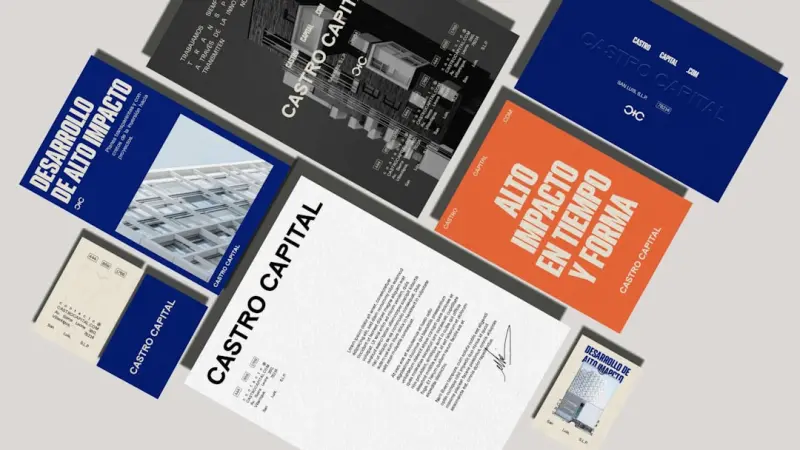
Dynamic Brand Systems: How APIs are Redefining Consistency
Brands are moving from static guidelines to API‑powered engines that serve logos, colors, copy, an... Read More
Human‑Centric Branding in the Age of AI
A deep dive into building a human‑centric brand in an AI‑dominated SaaS world, with practical st... Read More

How Sensory Branding Can Transform Your SaaS Identity
Discover why adding scent, sound, and tone to your SaaS experience creates a memorable brand that dr... Read More
Top Posts

Beginners Guide to Successful Email Marketing Plus Examples
Email marketing has been an integral part of digital marketing for decades. Despite the rise of social media and other digital marketing channels, email marketi...Read More

The Cloud, AI, and Community: Gaming’s Triple Threat to the Future
Brad Hays dives into the three forces—cloud infrastructure, AI-driven personalization, and community ownership—that are redefining modern gaming, offering a...Read More

Designing a Sensory Home Office: Boost Focus and Well‑Being
A practical guide to curating soundscapes, aromas, lighting, textures, and tech habits that turn your home office into a sensory sanctuary for heightened focus ...Read More

Data‑Driven Playbooks: Elevating Community Sports from the Ground Up
Discover how everyday sports clubs can harness live analytics, AI‑enhanced video feedback, and interactive fan experiences to boost performance, community, an...Read More
0 Comments
Post Comment
You will need to Login or Register to comment on this post!