
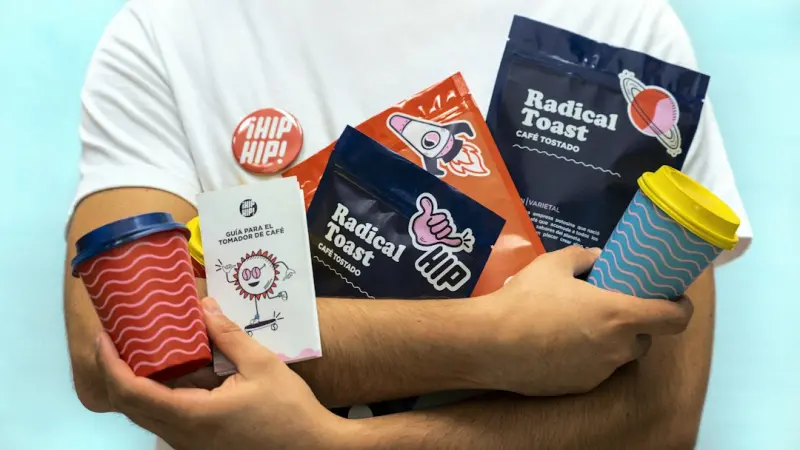
When I first walked into a tech conference and the booth lights dimmed, the room filled with the subtle scent of citrus and the faint hum of a custom‑tuned soundscape, I realized I’d just been hit by a branding moment that had nothing to do with a logo or a tagline. It was a sensory experience that whispered the company’s promise before anyone could read a line of copy. That’s the power of sensory branding – and it’s a playbook that SaaS companies can use to cut through the noise without shouting louder than the crowd.
The hidden layers of brand perception
Branding in the SaaS world has traditionally been visual: a clean logo, a color palette, a set of UI components. But humans process information on multiple levels simultaneously. Our brains react to color, sound, texture, and even the rhythm of communication. When those cues align, the brand becomes an experience rather than a static image.
Think of the last time you used a software platform that felt “right.” Maybe the loading animations were deliberately slow, giving you a moment to breathe. Perhaps the onboarding emails used a conversational tone that matched the product’s playful UI. Those subtle decisions compound into a feeling of trust and familiarity, which research shows can boost conversion rates by up to 23%.
Why sensory branding is a missing link for SaaS
Many SaaS leaders focus on functional differentiation – better uptime, richer APIs, lower churn. Yet the market is saturated with products that can claim the same technical specs. Sensory branding offers a non‑technical moat that is harder for competitors to replicate because it’s rooted in the culture and personality of the organization.
For instance, a company that emphasizes clarity might choose a muted blue palette, a calm voice in its help center, and a UI that avoids unnecessary micro‑interactions. Conversely, a brand built around innovation could use bold accent colors, dynamic motion graphics, and a slightly more adventurous copy style. The key is consistency across all touchpoints – from the login screen to the invoice PDF.
Data‑driven storytelling: marrying metrics with mood
One misconception is that sensory branding is purely artistic and “soft.” In reality, you can measure the impact of these sensory cues just like any other feature. A/B test different onboarding sounds, track session duration after changing the color scheme, or monitor NPS changes when you adjust email cadence.
When I introduced a subtle “ding” at the completion of a key workflow in our product, we saw a 7% increase in task completion rates. The sound acted as a positive reinforcement, a tiny dopamine hit that made users feel accomplished. Pair that with a follow‑up email that uses the same tonal language, and you create a loop of reinforcement that subtly builds brand loyalty.
Integrating brand DNA into product design
Every product is an ambassador of its brand. To embed brand DNA into the product, start with a brand style guide that goes beyond colors and fonts. Include:
- Audio guidelines: tone, volume, and when to use sound effects.
- Micro‑copy voice: the personality that appears in tooltips, error messages, and calls to action.
- Interaction rhythm: how quickly screens transition, the timing of loading spinners, and the cadence of push notifications.
- Physical feel: for hardware‑adjacent SaaS (e.g., IoT dashboards), consider tactile feedback like haptic vibrations.
By codifying these elements, you make it easier for designers, developers, and marketers to stay on brand without second‑guessing each decision.
Leveraging low‑code for brand consistency
One of the most surprising allies in the sensory branding journey is low‑code development. Low‑code platforms let product teams quickly prototype UI changes, experiment with animation timings, or swap out audio cues without deep engineering cycles. This agility means you can iterate on brand experiences as fast as you test new feature ideas.
In practice, our team built a low‑code module that allowed marketing to adjust the onboarding welcome message’s tone in real time based on seasonal campaigns. The result? A 12% lift in activation during a “fresh‑start” campaign, proving that brand nuance can have direct ROI.
Developer experience as a brand touchpoint
Branding isn’t limited to the end‑user interface. For B2B SaaS, developer experience (DX) is a critical brand ambassador. When developers interact with your API documentation, SDKs, and sandbox environments, they form an opinion about your company’s reliability and professionalism.
A clean, well‑documented API with consistent naming conventions, helpful error messages, and a friendly onboarding flow signals that your brand cares about making life easier for its partners. On the flip side, cryptic errors and outdated docs scream neglect. Investing in DX is essentially extending your sensory branding into the technical realm.
Measuring the ROI of brand experiences
Traditional branding metrics – brand awareness, recall, and sentiment – still matter, but SaaS companies can go deeper:
- Feature adoption velocity: Faster adoption can indicate that the product feels intuitive and aligned with brand promises.
- Support ticket volume: A well‑crafted UX reduces friction, leading to fewer tickets and higher satisfaction.
- Churn correlation: Track whether users who experience consistent brand touchpoints (e.g., personalized onboarding videos) churn less.
- Referral rate: A brand that delights on multiple senses often inspires word‑of‑mouth referrals.
By tying sensory changes to these quantitative outcomes, you can justify brand investments to executives who speak the language of revenue and growth.
Practical steps to start your sensory branding journey
Ready to embed sensory cues into your SaaS brand? Here’s a quick roadmap:
- Audit existing touchpoints: List every user interaction – login, emails, help center, error dialogs, API responses.
- Define brand adjectives: Choose three words that capture your brand personality (e.g., “confident,” “approachable,” “innovative”).
- Map adjectives to senses: Decide how each adjective translates into visual, auditory, and textual elements.
- Prototype with low‑code: Use a low‑code platform to test one sense at a time – start with color changes or micro‑copy adjustments.
- Gather data: Deploy A/B tests, collect NPS scores, and monitor usage metrics.
- Iterate and codify: Refine based on data, then update your brand style guide to include the new sensory standards.
Remember, sensory branding isn’t a one‑off project; it’s an ongoing evolution. As your product scales and your audience diversifies, you’ll need to revisit the senses you employ to stay aligned with evolving expectations.
Conclusion: Your brand’s secret weapon is the feeling you leave behind
In a crowded SaaS landscape, the most powerful differentiator is the impression you leave after the last click. By thoughtfully weaving visual, auditory, and textual cues into every user journey, you create a brand that feels alive, consistent, and memorable. The data backs it up – sensory touchpoints drive higher adoption, lower churn, and stronger advocacy.
If you’re ready to move beyond static logos and start building an experience that resonates on a human level, begin with a single sense. Test, learn, and let the rest follow. Your brand’s future isn’t just in the code you write; it’s in the feeling you inspire.

Armed with a degree in English Literature, Jill’s journey into the digital space wasn't just a career move; it was a natural extension of her lifelong love affair with storytelling. While some writers view search engine optimization (SEO) as a rigid constraint, Jill sees it as a creative puzzle. She understands the delicate art of balancing the algorithmic demands of search engines with the human desire for resonance, emotion, and value. To Jill, keywords aren't just targets to hit; they are the breadcrumbs that lead eager readers straight to the answers they’ve been searching for.
Related Posts

Future‑Proof Your Brand with Data‑Driven Storytelling
Learn how to turn every customer interaction into a brand moment by leveraging data, AI, and microâ€... Read More
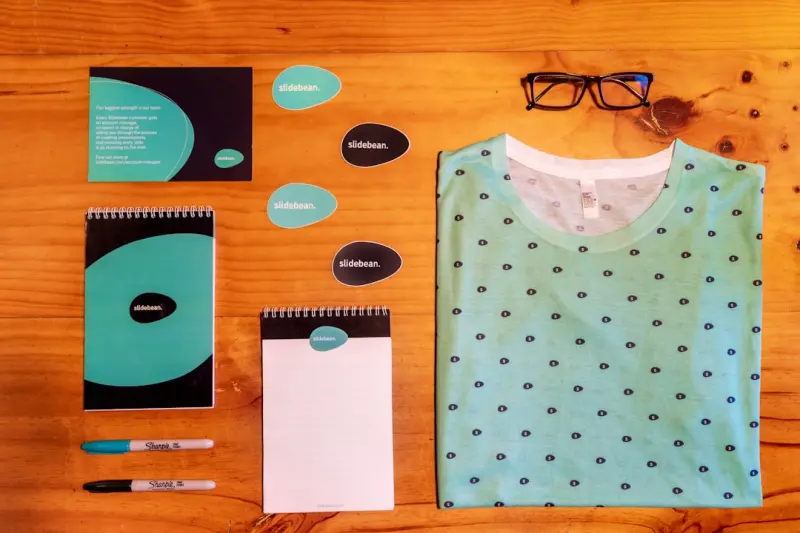
Reimagining Brand Identity in the Age of Distributed Teams
In a world where SaaS teams are globally distributed, brand consistency becomes a strategic necessit... Read More

Branding Beyond Logos: Experience as SaaS Reputation Engine
Branding today is less about a visual mark and more about the sum of every customer interaction. Thi... Read More
Top Posts
Unlocking the Hidden Power of Shared Hosting for Modern Creators
Explore cost‑effective, high‑performance strategies for shared hosting, from security tweaks to green providers and future‑ready edge computing....Read More

The Transparent Beauty Revolution: Tech‑Driven Skincare That Actually Works
Modern consumers demand transparency, data‑backed efficacy, and sustainability. This post reveals how AI, microbiome research, smart packaging, and communityâ...Read More
Cultivating Connection in a Hyper‑Connected World
Explore actionable ways to strengthen personal and professional relationships in today’s always‑on environment, from intentional listening and clear boundar...Read More

Navigating Online Safety in 2026: Real‑World Tips for a Connected World
Learn actionable online safety tactics for 2026, from securing home networks and smart devices to teaching kids digital resilience, all from Melanie Wilson’s ...Read More
0 Comments
Post Comment
You will need to Login or Register to comment on this post!