
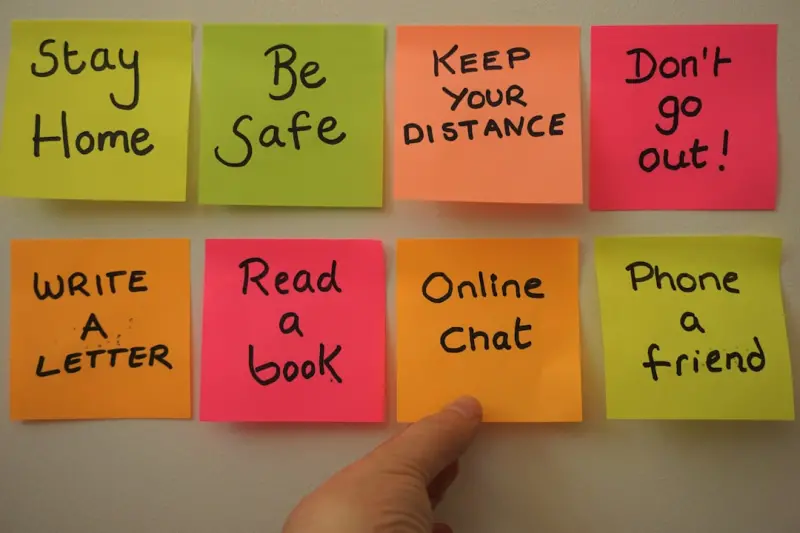
Why Online Safety Is No Longer Optional
Every day I log on, I’m reminded that the internet is a bustling marketplace of ideas, commerce, and personal connections—but also a hunting ground for threats that evolve faster than any antivirus signature. From credential stuffing attacks that silently scrape millions of usernames to ransomware that holds personal files hostage, the stakes have never been higher, and the line between convenience and vulnerability is razor‑thin. My own habit of treating every link and login like a potential ambush has saved me countless headaches, and it’s a mindset I’m eager to share with anyone who spends even a few minutes online.
The Shifting Threat Landscape
Phishing emails have grown from obvious misspellings to hyper‑personalized messages that reference recent purchases, friends, or even recent news events, making them nearly indistinguishable from legitimate communication. Malware distributors now embed malicious code in seemingly innocuous PDFs, video files, and browser extensions, exploiting zero‑day vulnerabilities before patches are even released. As a result, the safest approach is to assume every inbound file or request could be a Trojan horse, and to verify its source through a second channel whenever possible.
Mastering Password Hygiene
Passwords remain the first line of defense, yet many still rely on predictable patterns like “Password123” or reuse the same credentials across dozens of sites, creating a single point of failure that hackers love to exploit. I’ve transitioned to a password manager that generates and stores complex, unique strings for each account, encrypting them with a master phrase that is both memorable and impossible to guess. By adopting this habit, you eliminate the mental overload of remembering countless passwords while dramatically reducing the attack surface for credential‑theft bots.
Two‑Factor Authentication: Your Digital Second Door
Even the strongest password can be compromised, which is why I consider two‑factor authentication (2FA) an essential security layer that turns a stolen password into a dead end. Whether you opt for time‑based one‑time passwords (TOTP) from an authenticator app or a hardware security key that plugs into your device, the extra verification step forces attackers to possess something you physically hold. Enabling 2FA across your email, banking, and social media accounts is a habit that pays off instantly, turning a potential breach into a harmless alarm.
Secure Browsing Habits and the Power of VPNs
Public Wi‑Fi networks are convenient but notoriously insecure, often allowing malicious actors to intercept data streams and harvest login details, especially when sites lack proper HTTPS encryption. By routing traffic through a reputable virtual private network (VPN), you encrypt your connection end‑to‑end, shielding your browsing activity from prying eyes and protecting sensitive transactions on coffee shop routers. Additionally, I habitually double‑check the URL bar for the padlock icon and “https://” prefix before entering any personal information, a simple visual cue that can prevent credential theft on counterfeit sites.
Keeping Kids Safe in the Digital World
Children today are digital natives, but their curiosity can expose them to cyberbullying, inappropriate content, and predatory scams that adults often overlook. I rely on the comprehensive strategies outlined in Ultimate Guide to Keeping Kids Safe, which emphasizes open dialogue, parental controls, and education about privacy settings as the cornerstone of a safe online environment. By involving kids in the conversation early—teaching them to question unsolicited friend requests and to report uncomfortable interactions—you empower them to become vigilant digital citizens.
Privacy Settings on Social Platforms
Social media platforms continuously adjust their privacy policies, often defaulting to the most public sharing settings to maximize user data for ad revenue. I make it a habit to audit my profiles quarterly, tightening who can see my posts, limiting location tagging, and disabling third‑party app access that isn’t essential. Leveraging built‑in privacy tools not only protects personal information from data brokers but also reduces the risk of social engineering attacks that rely on publicly available details about your life.
Safe File Sharing and Hosting Practices
When I need to share large files or host a personal project, I choose services that provide end‑to‑end encryption and granular permission controls, avoiding generic cloud folders that are prone to accidental exposure. For freelancers, understanding the nuances of hosting environments is crucial—reading Shared Hosting Secrets Every Creative Freelancer Should Know taught me how to configure server permissions, enforce SSL certificates, and monitor logs for suspicious activity, turning a simple website into a fortified digital asset.
Adopting a Sprint Mindset for Ongoing Security
Online safety isn’t a one‑time checklist; it’s an iterative process that benefits from the rapid, focused approach championed in The Sprint Mindset. By setting short, achievable security sprints—such as a monthly password rotation, quarterly 2FA audit, or a bi‑annual privacy settings review—you create momentum that keeps your defenses fresh without overwhelming your schedule. This agile methodology transforms security from a burdensome chore into a series of quick wins that compound into robust, long‑term protection.

David Moore is a freelance writer specializing in two dynamic and ever-evolving fields: gambling and the tech industry. With a keen eye for detail and a knack for unraveling complex topics, David delivers insightful and engaging content that keeps readers informed and entertained.
Related Posts

The Digital Deception: What Is Catfishing and Comprehensive Strategies for Staying Safe Online
In the modern era, the internet serves as our primary communal space, facilitating connections that ... Read More

Navigating the Digital Playground: A Modern Guide to Online Safety
In a hyper‑connected world, staying safe online demands savvy habits, reliable tools, and a proact... Read More

Unmasking the Digital Shadows: Your Essential Guide to Online Safety in a Connected World
In our hyper-connected world, online safety is paramount. This guide by Miranda Murphy offers practi... Read More
Top Posts

Marketing in 2024: How AI, Authenticity, and Sustainability Are Redefining the Game
Amanda Williams shares fresh 2024 marketing insights, from AI-powered storytelling to eco‑centric branding, guiding marketers toward authentic, data‑driven ...Read More

Lighting the Way: Adaptive Light Zones for a Smarter Home
Adaptive lighting zones turn ordinary rooms into responsive spaces, enhancing mood, productivity, and energy efficiency. This guide walks you through planning, ...Read More

Crafting Meaningful Gift Experiences in a Digital-First World
Explore a step-by-step framework for creating personalized, eco‑friendly, experience‑driven gifts that strengthen brand loyalty and employee engagement in t...Read More
Shared Hosting: A Pragmatic Guide for Budget‑Savvy SaaS Teams
Shared hosting can be a cost‑effective launchpad for SaaS startups if paired with the right performance hacks, monitoring, and DevOps practices. This guide sh...Read More
0 Comments
Post Comment
You will need to Login or Register to comment on this post!