
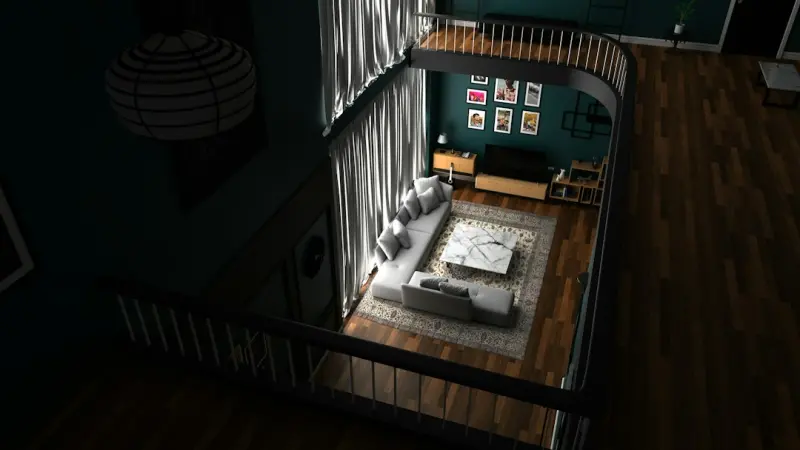
When I first stepped into my newly‑purchased bungalow, the layout felt like a puzzle missing a few crucial pieces. The walls were straight, the floors were solid, but something intangible whispered that the space could do more than just shelter me—it could nurture, inspire, and even energize. That moment sparked a journey that has since turned my home into a living laboratory for small‑scale, high‑impact improvements. If you’re reading this, you probably feel that same tug: a desire to turn your house into a home that works for you, not the other way around.
Understanding the Psychology of Space
Before you swing a hammer or pick out paint swatches, it helps to pause and consider how our environment shapes our mental state. Research shows that cluttered rooms can increase cortisol (the stress hormone), while well‑lit, organized spaces boost dopamine, the feel‑good neurotransmitter. This isn’t just a “feel‑good” claim; it’s backed by neuroscience that tells us our surroundings are wired directly into our brain’s reward circuitry.
Here’s a quick mental checklist to gauge how your current space is affecting you:
- Light quality: Do you feel drowsy in the evenings? That could be a sign of harsh, blue‑heavy lighting.
- Flow: Are you constantly navigating around obstacles or stepping over cords?
- Personal zones: Do you have a dedicated nook for reading, working, or simply unwinding?
By answering these questions honestly, you’ll uncover the low‑hanging fruits—changes that can be implemented quickly but have outsized emotional returns.
Reimagining Storage with Modular Systems
One of the most transformative yet underrated upgrades is a modular storage strategy. Instead of static built‑ins that lock you into a single layout, modular units let you reconfigure shelves, cabinets, and even wall panels as your needs evolve. Think of it as a LEGO set for adult organization.
Why go modular?
- Adaptability: Whether you’re a remote worker needing a home office today or a hobbyist artist tomorrow, modular units shift to accommodate new functions.
- Cost‑efficiency: Investing in a core set of high‑quality modules means you won’t need to replace entire cabinets every few years—just add or swap pieces.
- Aesthetic flexibility: Many systems come in neutral palettes that can be dressed up with interchangeable fronts, allowing you to change the look without a full remodel.
When I first installed a modular wall system in my living room, I was amazed at how a simple rearrangement of a few cubbies turned a cluttered coffee‑table area into a sleek media hub, freeing up floor space for a yoga mat. The psychological impact was immediate—I felt less cramped, more in control, and oddly, more motivated to keep the area tidy.
Light as a Design Tool (Beyond Just Brightness)
Most homeowners think of lighting as a functional necessity: “Turn the lights on so you can see.” In reality, light is a powerful design tool that can reshape perception of space, influence mood, and even affect circadian rhythms.
Here are three lighting tricks that cost less than a dinner for two:
- Layered lighting: Combine ambient (overhead), task (desk lamps), and accent (LED strips) lighting. This creates depth and prevents harsh shadows.
- Temperature tuning: Use warmer tones (2700‑3000K) in relaxation zones like bedrooms, and cooler tones (4000‑5000K) in workspaces to boost alertness.
- Smart dimmers: Even a basic dimmer switch can let you adjust brightness throughout the day, syncing with natural light cycles.
Integrating smart dimmers doesn’t mean you have to plunge into a full home‑automation ecosystem. A simple low‑code automation approach—using a basic hub and a few pre‑configured scenes—can give you the convenience of “voice‑controlled” lighting without the complexity of a full‑blown smart home system.
Sustainable Materials That Pay Off
Eco‑friendly upgrades have moved beyond the niche market of green enthusiasts; they’re now mainstream, and many actually save money in the long run. Here are three sustainable choices that double as design statements:
- Bamboo flooring: Faster to renew than traditional hardwood, bamboo offers a sleek, modern look and is incredibly durable.
- Recycled glass countertops: These provide a unique speckled aesthetic while diverting waste from landfills.
- Low‑VOC paints: They improve indoor air quality, reducing the risk of headaches and respiratory irritation.
Beyond health benefits, these materials often qualify for tax incentives or utility rebates in many regions—another hidden ROI that can offset the upfront cost.
Smart Home Integration Without the Overload
There’s a fine line between a home that “thinks” for you and a house that constantly beeps, blinks, and asks for updates. The key is to start small and focus on integration that truly simplifies daily life.
Here are three starter projects that feel like a luxury upgrade but require minimal tech:
- Smart thermostat: It learns your schedule, trims heating/cooling bills, and can be controlled from your phone.
- Doorbell camera: Enhances security without a full‑scale surveillance system.
- Voice‑activated plug strips: Turn lights on/off with a single command; they’re perfect for those who want the convenience of voice assistants without a whole ecosystem.
Even if you’re not a tech junkie, these small integrations create a sense of modernity that can boost your home’s market appeal. Plus, they’re reversible—if you ever decide to go “off‑grid,” you can simply unplug and revert to manual control.
The DIY Mindset: Small Wins That Build Momentum
DIY isn’t just about saving money; it’s about cultivating confidence and a personal connection to your space. Start with projects that have a high visual impact but a low skill threshold:
- Paint an accent wall: Choose a bold color that complements your décor; it instantly changes the room’s vibe.
- Install floating shelves: They add storage and visual lightness, especially in narrow hallways.
- Swap out hardware: New drawer pulls or cabinet knobs can modernize a kitchen without a full remodel.
When you finish a small project, you get a dopamine boost, encouraging you to tackle the next. Over time, these incremental upgrades compound, turning a modest budget into a fully transformed home.
Budget‑Friendly Upgrades That Add Value
If you’re eyeing resale value, focus on improvements that deliver the best return on investment (ROI). According to industry data, the following upgrades often see a 70‑80% ROI:
- Curb appeal: Fresh landscaping, a new mailbox, and a painted front door make a powerful first impression.
- Kitchen refresh: Even simple changes like updating countertops, adding a backsplash, or installing energy‑efficient appliances can dramatically increase perceived value.
- Bathroom upgrades: Replace dated fixtures, re‑grout tile, and consider a frameless glass shower door.
For a data‑driven perspective on how small changes can influence market perception, check out this Predictive SEO post—while it’s about search engines, the underlying principle of leveraging analytics to forecast outcomes applies equally to home‑improvement ROI.
Bringing It All Together: A Blueprint for a Happier Home
Here’s a simple three‑month roadmap you can follow, regardless of your budget:
- Month 1 – Light and Flow: Replace harsh bulbs with layered lighting, declutter high‑traffic pathways, and install a modular shelving unit in your living area.
- Month 2 – Sustainable Touches: Swap one room’s flooring to bamboo, apply low‑VOC paint to an accent wall, and upgrade a single fixture to a smart thermostat.
- Month 3 – Smart Integration & DIY: Install a doorbell camera, add floating shelves, and finish the month with a weekend DIY paint project for the bedroom.
This phased approach prevents overwhelm, spreads out costs, and lets you measure the impact of each change before moving on. By the end of the quarter, you’ll have a home that feels fresher, operates more efficiently, and reflects your personal style—all without a full‑blown renovation.
Remember, the goal isn’t to chase the latest trend for its own sake. It’s to create a space that supports who you are today and who you’ll become tomorrow. Small, intentional upgrades compound over time, turning a house into a sanctuary that truly works for you.

Freelance writer with a flare for everything. I am passionate about topics I write crafting stories and compelling content that connect with audiences. Journeying through the realms of creativity as a freelance creator. #WriterLife #ContentCreator
Related Posts
Designing a Mood‑Boost Home: How Color, Light, and Sound Transform Everyday Spaces
A practical guide to creating a home that supports mental health through intentional color choices, ... Read More
Quiet Power: Transforming Your Home with Acoustic‑Smart Improvements
A deep dive into acoustic‑focused home improvements, blending sustainable materials and smart tech... Read More
Transform Your Home into a Wellness Oasis with Simple Improvements
Learn how to turn everyday rooms into health‑boosting spaces using light, air, sound, and biophili... Read More
Top Posts

Playful Routines: A Secret Sauce for Raising Confident, Curious Toddlers
Learn how to weave playful, flexible routines into daily life to boost your toddler’s confidence, curiosity, and emotional intelligence while embracing sustai...Read More

Why Bite‑Sized Learning Is the Future of Corporate Upskilling
Microlearning delivers short, focused lessons exactly when employees need them, boosting retention and performance. Discover how AI, no‑code automation, and d...Read More

Turning Google’s Helpful Content Update Into a SaaS Growth Engine
Google’s Helpful Content update rewards pages that genuinely solve user problems. This guide shows SaaS marketers how to audit, revamp, and iterate content to...Read More

Unmasking the Digital Shadows: Your Essential Guide to Online Safety in a Connected World
In our hyper-connected world, online safety is paramount. This guide by Miranda Murphy offers practical advice on protecting your digital life, from creating st...Read More
0 Comments
Post Comment
You will need to Login or Register to comment on this post!