
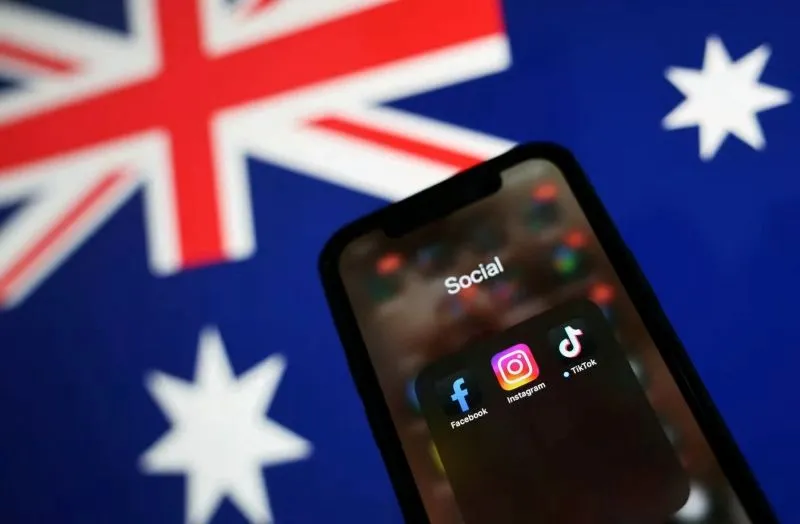
In recent weeks, the world of social media and online entertainment has witnessed a series of significant developments that are poised to have far-reaching consequences for users, companies, and governments alike. From Australia's unprecedented social media ban to Spotify's innovative new feature, these changes reflect the rapidly evolving nature of online interactions and the ongoing struggle to balance freedom of expression with the need for regulation and accountability.
At the forefront of these developments is Australia's bold move to ban several major social media platforms, including Facebook and Instagram, from operating within the country's borders. This drastic measure was taken in response to the spread of misinformation and the perceived failure of these platforms to adequately address the issue. The Australian government, citing concerns over the potential harm caused by unregulated social media, has opted to take a hardline stance in an effort to protect its citizens from the perceived dangers of online discourse.
The implications of this ban are multifaceted and have sparked a heated debate about the role of government in regulating online activity. On one hand, proponents of the ban argue that it is a necessary step to prevent the dissemination of false information and to promote a safer, more responsible online environment. On the other hand, critics contend that such a ban constitutes a form of censorship, infringing upon the fundamental right to freedom of expression and potentially stifling the exchange of ideas and opinions.
As the world watches Australia's experiment with social media regulation unfold, other companies are continuing to innovate and adapt to the ever-changing online landscape. Spotify, the popular music streaming service, has recently introduced a new feature that allows users to create and share personalized playlists based on their favorite podcasts. This move reflects the growing importance of podcasts as a medium for entertainment, education, and information, and highlights Spotify's commitment to providing a comprehensive and engaging user experience.
The new feature, which utilizes advanced algorithms to analyze users' listening habits and recommend relevant podcasts, is a significant development in the world of online audio content. By enabling users to create and share playlists, Spotify is fostering a sense of community and social interaction among its users, while also providing a powerful tool for content creators to reach and engage with their audiences. As the popularity of podcasts continues to grow, it is likely that we will see even more innovative features and services emerge, further blurring the lines between traditional radio and online streaming.
In addition to these developments, the world of social media is also witnessing a shift towards greater transparency and accountability. In response to growing concerns over privacy and data protection, several major platforms have introduced new measures to provide users with more control over their personal information and online activity. These measures include enhanced privacy settings, increased transparency around data collection and usage, and greater accountability for online harassment and abuse.
One of the key drivers of this shift towards greater transparency and accountability is the growing awareness among users of the potential risks and consequences of online activity. As more people become aware of the importance of protecting their personal information and online reputation, they are increasingly demanding that social media companies take steps to ensure their safety and security. In response, companies are being forced to adapt and evolve, introducing new features and policies that prioritize user privacy and well-being.
Another significant development in the world of social media is the rise of alternative platforms, which are emerging as viable competitors to traditional social media giants. These platforms, which often prioritize user privacy and security, are attracting a growing number of users who are disillusioned with the lack of transparency and accountability on traditional social media. As the popularity of these alternative platforms continues to grow, it is likely that we will see a significant shift in the way people interact online, with a greater emphasis on community, security, and user-centric design.
In conclusion, the recent developments in the world of social media and online entertainment reflect the rapidly evolving nature of online interactions and the ongoing struggle to balance freedom of expression with the need for regulation and accountability. From Australia's social media ban to Spotify's innovative new feature, these changes highlight the importance of adaptability and innovation in the face of an ever-changing online landscape. As the world continues to navigate the complexities of online discourse, it is clear that the future of social media will be shaped by a combination of technological innovation, user demand, and regulatory pressure.
As we look to the future, it is essential that we prioritize transparency, accountability, and user-centric design in the development of social media platforms and online services. By doing so, we can create a safer, more responsible online environment that promotes freedom of expression, community engagement, and the exchange of ideas and opinions. Ultimately, the key to unlocking the full potential of social media and online entertainment lies in striking a balance between regulation and freedom, and in creating platforms that prioritize user well-being, security, and privacy.
The Future of Social Media: Trends and Predictions
As we move forward in an increasingly complex and rapidly evolving online landscape, it is essential to stay ahead of the curve and anticipate the trends and developments that will shape the future of social media. Some of the key trends that are likely to emerge in the coming years include:
- Increased emphasis on user privacy and security: As users become increasingly aware of the importance of protecting their personal information and online reputation, social media companies will be forced to prioritize user privacy and security.
- Rise of alternative platforms: Alternative social media platforms that prioritize user privacy and security will continue to emerge and attract a growing number of users who are disillusioned with traditional social media.
- Growing importance of podcasts and online audio content: Podcasts and online audio content will continue to grow in popularity, with social media platforms and streaming services investing heavily in this area.
- Greater transparency and accountability: Social media companies will be forced to be more transparent about their data collection and usage practices, and to take greater responsibility for online harassment and abuse.
- Increased regulation and government intervention: Governments around the world will continue to grapple with the challenges of regulating social media, with a growing trend towards greater intervention and oversight.
By staying ahead of these trends and anticipating the developments that will shape the future of social media, we can create a safer, more responsible online environment that promotes freedom of expression, community engagement, and the exchange of ideas and opinions. As the world of social media continues to evolve, one thing is clear: the future will be shaped by a combination of technological innovation, user demand, and regulatory pressure.

Jim Pearse, a seasoned freelance writer, brings a wealth of knowledge and passion to the world of home and garden. From the intricacies of landscaping to the nuances of interior design, Jim delves into every aspect of creating comfortable, beautiful, and functional living spaces.
Related Posts

When Social Media Becomes Your Product Lab
Learn how to transform social media from a broadcasting tool into a real‑time product lab, leverag... Read More
The Perilous Pitfalls of TikTok Shop: Navigating a Landscape Riddled with Scams and Counterfeits
TikTok Shop has rapidly emerged as a prominent player in the e-commerce landscape, captivating milli... Read More

TikTok's Uncertain Future: Another 90-Day Reprieve Prolongs the Saga
The saga surrounding TikTok's presence in the United States has taken yet another turn, with former ... Read More
Top Posts

Navigating the Storm: A Professional Guide to Managing Adolescent Outbursts
The turbulent years of adolescence are characterized by rapid neurological development and intense emotional fluctuation. For parents and caregivers, this perio...Read More

Bing SEO: Untapped Strategies for Enterprise Growth
Explore how to leverage Bing’s AI intent signals, visual search entities, and real‑time indexing API to dominate enterprise search and drive high‑intent l...Read More

Banish Blemishes: Your Comprehensive Guide to Getting Rid of Acne
Acne is a common skin condition affecting millions worldwide, regardless of age or gender. From the occasional pimple to persistent breakouts, acne can impact s...Read More

The Rise of Digital Therapeutics: Your Pocket‑Sized Health Coach
Digital therapeutics are reshaping wellness by providing personalized, data‑driven coaching right from your phone, turning everyday health data into meaningfu...Read More
0 Comments
Post Comment
You will need to Login or Register to comment on this post!