
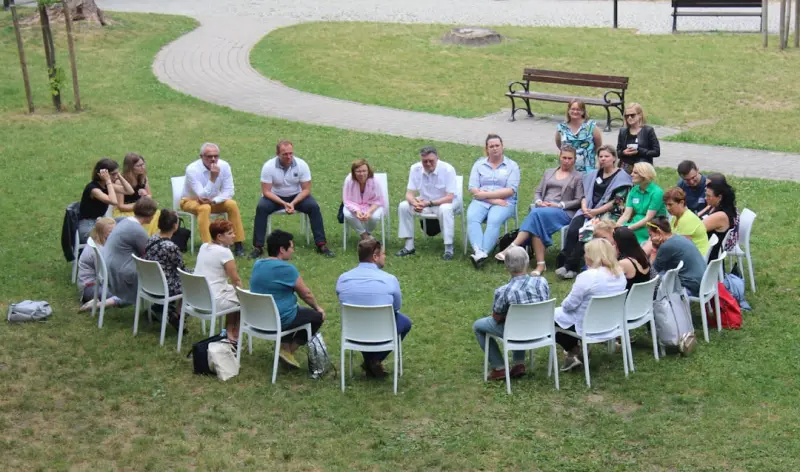
When I first stepped into the world of link building, I treated it like a scavenger hunt—finding the right sites, leaving a trail of breadcrumbs, and hoping someone would notice. Over the years, that mindset shifted dramatically. I realized link building isn’t a game of quantity; it’s a nuanced conversation between brands, audiences, and the ever‑evolving web ecosystem. This post dives into the art of turning link building from a tactical checklist into a genuine community‑first dialogue that fuels sustainable growth for B2B SaaS companies.
The Myth of the One‑Link‑to‑Rule‑Them‑All
Many marketers still cling to the idea that a single high‑authority backlink can catapult a page to the top of the SERPs. While a powerful link can certainly give you a boost, treating it as a magic bullet is a recipe for disappointment. In reality, search engines reward patterns—a natural, diverse set of inbound links that tell a cohesive story about relevance, trust, and expertise.
Think of your backlink profile as a chorus. One soaring soprano note (the high‑authority link) catches attention, but it’s the harmonies created by dozens of supporting voices that give the piece depth and staying power. If you only chase the soprano, you’ll miss the richer, more resonant opportunities that come from building relationships across the entire industry spectrum.
From “Outreach” to “Out‑relationship”
Traditional outreach feels transactional: “Here’s my guest post, give me a link.” The modern approach flips that script. It starts with listening—understanding the challenges, goals, and audience of the site you’re targeting. From there, you co‑create content that solves real problems, not just serves your SEO agenda.
Here’s a three‑step framework I rely on:
- Research with empathy. Dive deep into the target site’s recent publications, social media chatter, and community forums. Identify gaps where your expertise can genuinely add value.
- Co‑creation over contribution. Pitch a collaborative piece: a joint case study, a data‑driven benchmark report, or a round‑up of industry insights that features multiple voices—including yours.
- Nurture beyond the link. After publication, promote the content across both audiences, celebrate the partnership publicly, and keep the conversation alive with follow‑up webinars, podcasts, or newsletters.
This shift from “outreach” to “out‑relationship” not only yields higher‑quality backlinks but also plants seeds for future collaborations, referrals, and brand advocacy.
Leveraging Community‑Driven Content Hubs
One of the most underrated link‑building assets is a well‑curated content hub that serves as a go‑to resource for a specific niche. Instead of scattering assets across scattered blog posts, consolidate them into a central, searchable library—think “State of SaaS Security 2024” or “The Ultimate Guide to API Monetization.”
When you invite industry experts to contribute chapters, data points, or interview snippets, you create a magnet for natural backlinks. Each contributor will proudly share the hub with their audience, resulting in a network of high‑quality inbound links that stem from genuine authority.
To illustrate the ripple effect, consider the ChatGPT as a silent co‑founder article I co‑authored. By weaving together insights from product managers, data scientists, and growth hackers, we built a resource that attracted links from tech newsletters, AI research blogs, and even university curricula. The content hub didn’t just earn links—it became a reference point for the entire community.
Data‑Backed Link Prospecting: The New Frontier
Data isn’t just for keyword research. By mining link‑intersect data, traffic patterns, and content performance metrics, you can pinpoint sites that already trust your competitors but haven’t yet linked to you. Tools that surface “linkable assets” based on social shares, referral traffic, and domain authority allow you to prioritize outreach with surgical precision.
For example, a recent analysis of our SaaS competitors revealed that a popular “State of Remote Work” report had earned 150 backlinks, yet only 30 of those originated from industry blogs—an untapped pool of potential link partners. By reaching out with a fresh perspective—a live data dashboard updating the remote work trends in real time—we secured 12 new links in just one month.
Data‑driven prospecting also helps you avoid the dreaded “spammy backlink” pitfall. By focusing on sites with strong engagement metrics (low bounce rates, high dwell time), you ensure every acquired link aligns with Google’s quality guidelines.
Link Building for Brand Authority, Not Just Rankings
While rankings matter, the real ROI of link building for B2B SaaS lies in brand authority. When a respected industry publication cites your research, prospects perceive you as a thought leader before they even land on your site. This credibility shortens the sales cycle, improves conversion rates, and strengthens customer loyalty.
Take the B2B SaaS SEO playbook we recently released. The comprehensive guide attracted mentions from venture capital blogs, enterprise tech newsletters, and even a few podcasts. Those backlinks didn’t just lift our organic traffic—they generated inbound inquiries from decision‑makers who discovered us through third‑party endorsements.
Integrating Link Building with PR and Social Media
Link building doesn’t exist in a vacuum. It thrives when synchronized with public relations and social media amplification. Here’s how to align the three:
- Press releases as link magnets. When you launch a new feature, embed a link to a detailed technical whitepaper. Journalists often pull quotes and link back to the source.
- Social listening for link opportunities. Monitor industry hashtags and forums for questions you can answer with a link to your resource. A well‑timed reply can earn a permanent backlink from community-driven sites.
- Influencer collaborations. Partner with micro‑influencers in the SaaS space for joint webinars or co‑authored articles. Their audience’s trust translates into high‑quality referral links.
This integrated approach multiplies the impact of each individual effort. A single piece of content can generate a press mention, a social share, and a backlink—all feeding each other’s performance.
Measuring Success Beyond Domain Authority
Traditional link‑building metrics—Domain Authority, total link count—are still useful, but they don’t tell the full story. For B2B SaaS, consider these advanced KPIs:
- Referral qualified leads (RQLs). Track how many leads originate from inbound links, and measure their conversion rate compared to organic traffic.
- Brand sentiment lift. Use sentiment analysis tools to gauge how often your brand is mentioned positively in articles that link back to you.
- Engagement depth. Analyze time‑on‑page and scroll depth for visitors arriving via backlinks. Higher engagement signals content relevance and can improve SEO indirectly.
- Link velocity stability. A steady, organic increase in backlinks over time is more valuable than a sudden spike that may look suspicious to search engines.
By aligning these metrics with revenue goals, you can demonstrate the true business value of link building to executives and stakeholders.
Future‑Proofing Your Link Strategy
Search engines are evolving. As they become better at understanding context, relevance, and user intent, the days of “spammy link farms” are well behind us. The future belongs to creators who view links as endorsements—earned, authentic, and community‑centric.
Here are three trends to watch:
- Semantic linking. Search engines will weigh the surrounding content more heavily, rewarding links embedded within in‑depth, context‑rich articles.
- Zero‑click SERP features. Even if your page doesn’t rank in the traditional list, being cited in a featured snippet or knowledge panel can drive brand visibility.
- Link equity distribution via internal linking. A strong internal link architecture amplifies the value of every external backlink, ensuring that link equity flows to the pages that matter most for conversions.
By staying ahead of these shifts, you’ll ensure that your link‑building efforts remain resilient, sustainable, and aligned with the broader goals of your SaaS business.
Putting It All Together: A Sample 90‑Day Playbook
To make this philosophy actionable, here’s a concise 90‑day roadmap you can adapt to your organization:
- Weeks 1‑2: Audit & Identify. Conduct a backlink audit of your top competitors. Map out content gaps in your own library and flag high‑potential link prospects.
- Weeks 3‑4: Create a Community Hub. Consolidate existing assets into a niche‑focused resource center. Invite 3‑5 industry experts to contribute exclusive insights.
- Weeks 5‑6: Outreach with Co‑Creation. Pitch the hub to identified prospects, emphasizing the collaborative nature of the piece. Offer to co‑author a case study or joint webinar.
- Weeks 7‑8: Amplify. Launch a PR push around the hub’s release. Share the content on LinkedIn, industry Slack channels, and relevant sub‑reddits. Encourage contributors to promote it to their audiences.
- Weeks 9‑12: Measure & Iterate. Track referral leads, engagement metrics, and new backlinks. Use the data to refine your outreach list and double‑down on the most effective partnership types.
Follow this cadence, and you’ll transition from a scattershot link‑building approach to a purposeful, community‑driven engine that fuels both SEO and brand growth.
Final Thoughts: Link Building as an Ongoing Conversation
In the fast‑moving SaaS landscape, the most valuable assets are relationships—trust, expertise, and shared success. Treat each backlink as a handshake, each guest post as a dialogue, and each resource hub as a round‑table discussion. When you frame link building this way, you not only climb the search rankings; you embed your brand into the very fabric of the industry conversation.
So the next time you draft an outreach email, ask yourself: “Am I inviting a partner into a meaningful discussion, or am I merely asking for a favor?” The answer will shape not just the links you earn, but the reputation you build for years to come.

Amanda is a passionate writer exploring a kaleidoscope of topics from lifestyle to travel and everything in between.
Related Posts

Link Building as Relationship Engineering: A Human‑First Playbook
Discover a fresh, human‑centric approach to link building that aligns SEO with business goals, lev... Read More

Link Building as Relationship Engineering: From Outreach to Community Co‑Creation
Learn how to shift from transactional link outreach to relationship engineering, using community eng... Read More

The Future of Link Building: Trends to Watch in 2024
Link building is evolving rapidly. Stay ahead of the curve with sustainable strategies, quality cont... Read More
Top Posts

From Clicks to Conversations: Rethinking Social Media as a Real-Time Innovation Hub
Treat social platforms as a real‑time innovation laboratory: use micro‑experiments, social listening, and ephemeral content to gather insights, validate ide...Read More
The Sensory Subscription Box Boom: A New Playbook for Modern Parents
A deep dive into the rise of sensory subscription boxes, highlighting their developmental benefits, community support, and the digital tools that make modern pa...Read More

The Everyday Wellness Blueprint: Simple Habits That Transform Health and Creativity
A step‑by‑step guide to everyday wellness that blends mindful mornings, movement, nutrition, and community for lasting health and creative energy....Read More

When AI Becomes the Con Artist: New Frontiers in SaaS Scams
AI‑crafted deepfakes, fake research reports, and automated webinar farms are the latest scam weapons targeting SaaS executives. This post reveals the tactics,...Read More
0 Comments
Post Comment
You will need to Login or Register to comment on this post!