
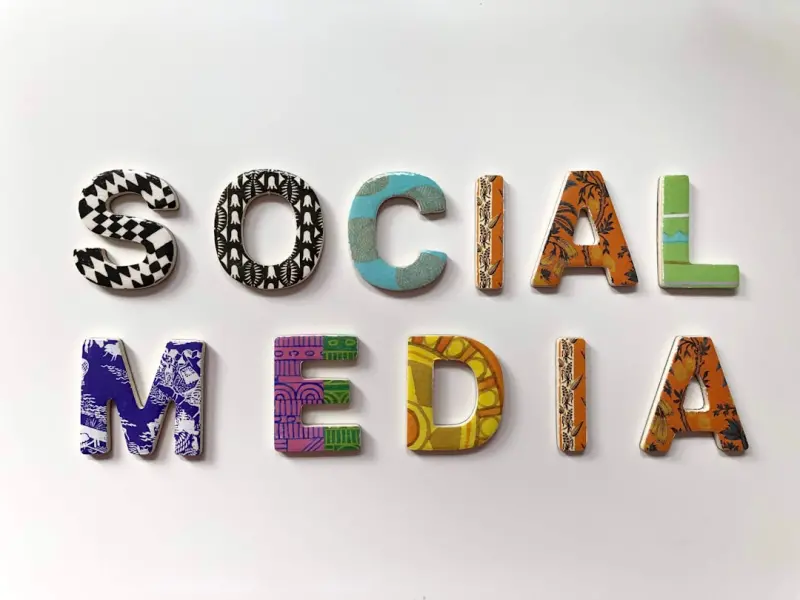
Why Social Media Should Be Treated Like a Live R&D Lab
When most marketers think about social platforms, the first images that come to mind are polished ad creatives, influencer contracts, and scheduled posting calendars. That mindset works fine for brand awareness campaigns, but it misses a far more potent opportunity: using the constant chatter, reactions, and data streams on social channels as a real‑time research and development (R&D) environment for your product, service, and overall brand strategy.
Imagine a space where every like, comment, meme, and share is a data point that tells you not just who is interested, but why they’re interested, what they’re struggling with, and how they envision the perfect solution. That is the promise of treating social media as a live innovation hub—not a one‑way broadcast pipe, but a two‑way laboratory where you can test hypotheses, iterate on messaging, and even prototype features with minimal friction.
From Passive Posting to Active Experimentation
Most social strategies start with a content calendar that assumes a fixed audience and a static message. The content engine experiment lab approach flips that assumption on its head. Instead of committing to a single creative for a week, you release multiple micro‑variations, each with a distinct angle, tone, or visual style. Then you let the platform’s native analytics—engagement rates, scroll depth, click‑throughs, sentiment signals—act as the lab’s measurement tools.
This method has three immediate benefits:
- Speed. You get feedback in minutes instead of weeks. A meme that flops can be retired before it drains budget, while a high‑performing hook can be amplified instantly.
- Precision. By isolating variables (headline, image, call‑to‑action), you can pinpoint exactly what resonates with which segment of your audience.
- Authenticity. Audiences can sense when they’re being tested. When you’re transparent about running “quick polls” or “beta tests” on social, you build trust and invite participation.
Social Listening as a Product Radar
Beyond testing brand messaging, the raw conversational data on platforms like Twitter, LinkedIn, and emerging audio spaces is a goldmine for product insight. While many companies rely on formal surveys or focus groups, social listening captures unfiltered, in‑the‑moment language that reveals pain points and unmet needs.
Here’s how to turn that chatter into a product radar:
- Define your signal filters. Set up keyword clusters not just for your brand, but for the problems your product solves. For example, a SaaS that streamlines remote onboarding might track phrases like “new hire onboarding chaos” or “first‑day remote setup”.
- Map sentiment trends. Use sentiment analysis tools to detect spikes in frustration or excitement. A sudden rise in negative sentiment around “slow login” could flag a performance issue before your support tickets swell.
- Prioritize based on reach and intensity. A problem mentioned by a niche community might be high‑impact for a specific segment, while a broader complaint could indicate a systemic flaw.
- Feed findings back into the dev cycle. Treat these insights as user stories. The more direct the social evidence, the stronger the business case for prioritizing the fix.
When you embed this loop into your workflow, you’re essentially turning social media into an ongoing market research department—one that works 24/7 without the overhead of traditional studies.
Leveraging Ephemeral Formats for Rapid Validation
Stories, Fleets, and short‑form videos are often dismissed as “fleeting” content, but their very ephemerality is an asset for fast feedback. Because the content disappears, creators feel freer to experiment with bold, unconventional ideas that would feel too risky in a permanent feed.
Use the following playbook to harness ephemerality:
- Prototype in 15‑second bursts. Create a quick sketch of a new feature or brand voice and share it as a story. Ask viewers to swipe up or DM for a deeper dive.
- Poll instantly. Many platforms now embed poll stickers directly into stories. Pose binary or multiple‑choice questions that reveal preference on color palettes, tagline variations, or pricing concepts.
- Capture real‑time reactions. Encourage viewers to respond with emojis or short voice notes. Those reactions are raw, unfiltered, and can be aggregated for quick sentiment mapping.
- Iterate within the same day. Based on the poll results, post a follow‑up story that refines the concept. The loop can repeat several times in a single day, compressing what would normally be a weeks‑long A/B test.
Because stories live for only 24 hours, there’s a built‑in urgency that drives higher participation rates. Users feel they’re part of a limited‑time experiment, which boosts engagement and provides you with a richer data set.
Turning Social Conversations into Revenue Pathways
Revenue isn’t generated merely by broadcasting offers; it’s cultivated through conversation. The recent post on conversation‑first strategies highlighted direct messaging, but the principle extends to public comment threads, community posts, and even reaction chains.
Here’s a framework to transform any social interaction into a potential revenue funnel:
- Identify intent signals. Look for language indicating purchase readiness: “I wish this was cheaper,” “Can I try this?” or “Anyone using this for X?”
- Deploy a “soft handoff”. Instead of a hard sales pitch, respond with a helpful resource—case study, demo video, or a personalized recommendation.
- Capture the lead quietly. Use a lightweight form embedded in a landing page that’s linked directly from the reply. Keep the form short to reduce friction.
- Follow up with contextual nurture. Reference the original social comment in your follow‑up email or message to reinforce relevance and trust.
This approach respects the user’s public context while subtly guiding them toward a deeper engagement. It also creates a record of social‑initiated leads that can be fed into your CRM for longer‑term nurturing.
Integrating Social Insights with Email Narratives
While email is often treated as a separate channel, the two can be woven together to amplify storytelling. The email narrative engine concept shows how an inbox can be a serialized storybook. Apply the same narrative logic to social content: each post becomes a chapter, each comment a dialogue, and each share a word‑of‑mouth endorsement.
Practical steps to sync the two:
- Cross‑reference themes. If a story on Instagram receives a surge of questions about a feature, craft an email series that expands on those FAQs, delivering deeper value.
- Leverage “social proof” snippets. Pull high‑impact comments or user‑generated content from your channels and embed them in newsletters as authentic testimonials.
- Use email to surface hidden social gems. Send a monthly digest that highlights top community discussions, encouraging subscribers to join the conversation on the original platform.
This synergy not only reinforces brand messaging across touchpoints but also maximizes the ROI of each piece of content by giving it multiple lives.
Building a Social‑First Culture Inside Your Organization
To sustain a social‑driven innovation loop, the mindset must percolate beyond the marketing department. Here’s how to embed it into the broader organization:
- Cross‑functional “social sprints”. Run short, focused sessions where product, design, and support teams review live social data and brainstorm rapid experiments.
- Reward data‑driven storytelling. Recognize teams that translate social insights into tangible product improvements or revenue wins.
- Open up social dashboards. Give internal stakeholders access to real‑time metrics, sentiment dashboards, and trending conversation logs.
- Encourage employee advocacy. When employees share authentic experiences on their personal profiles, they amplify the feedback loop and add credibility.
When every team sees social media as a shared data source rather than a siloed promotional tool, the organization becomes more agile, responsive, and customer‑centric.
Measuring Success Beyond Vanity Metrics
Traditional social reporting leans heavily on impressions, follower counts, and engagement ratios. While useful, these numbers don’t capture the true impact of a social R&D approach. Shift your KPI focus to include:
- Insight velocity. How many actionable insights are generated per week?
- Experiment conversion rate. What percentage of social tests progress to product or marketing roll‑outs?
- Revenue attribution. Track deals that originated from a social conversation or a story‑based poll.
- Community health score. Measure recurring participation, sentiment stability, and the depth of user‑generated content.
By aligning metrics with business outcomes, you prove the strategic value of treating social media as a live innovation engine.
Future‑Proofing Your Social Strategy
Social platforms evolve rapidly—new formats, algorithm tweaks, and emerging networks appear almost yearly. To stay ahead, adopt a mindset of continual learning:
- Experiment with nascent platforms early. Even if a network has a modest user base, early adopters can become brand evangelists.
- Invest in modular content creation. Build assets that can be repurposed across formats—short clips, GIFs, micro‑copy—so you can pivot quickly when trends shift.
- Maintain a “social sandbox”. Reserve a portion of your budget for high‑risk, high‑reward tests that explore uncharted formats or unconventional storytelling techniques.
When you treat each platform as a testbed rather than a static billboard, you future‑proof your brand against the inevitable churn of the social landscape.
Conclusion: Make Social Media Your Competitive Edge
Social media isn’t just a channel for broadcasting messages; it’s a dynamic, data‑rich laboratory where you can observe, test, and iterate in real time. By shifting from a broadcast mindset to an experimental, conversation‑first approach, you unlock three core advantages:
- Rapid insight generation that fuels product and marketing decisions.
- Higher engagement through authentic, participatory content.
- Direct revenue pathways that stem from genuine user interest expressed on public platforms.
Integrate these practices into your daily workflow, align cross‑functional teams around social data, and you’ll turn every like, comment, and story into a strategic asset. The next breakthrough for your brand won’t come from a bigger ad spend—it’ll emerge from the conversations already happening in the feeds of your audience.

Robert Mathews is a professional content marketer and freelancer for many SEO agencies. In his spare time he likes to play video games, get outdoors and enjoy time with his family and friends . Read more about Robert Mathews here:
Related Posts
The Future of Social Media Marketing: How Sustainable Living Influences Digital Strategy
The intersection of social media marketing and sustainable living is a critical topic that requires ... Read More

The Hidden Growth Engine: Harnessing Social Audio for B2B SaaS Success
Social audio is reshaping B2B marketing by offering real‑time, conversational experiences that con... Read More

Why Social Audio Is the Secret Weapon for Modern SaaS Marketing
Social audio is reshaping how SaaS companies connect with prospects, turning live conversations into... Read More
Top Posts

What are the best Lawnmowers for Homeowners
Choosing the right lawnmower is essential for maintaining a healthy and beautiful property. This guide explores the best lawnmowers for homeowners, comparing ga...Read More

How to Stop Your Smartwatch Health Anxiety
It sits on your wrist, a sleek, humming sentinel of your biological data. It counts your steps, tracks your REM cycles, monitors your blood oxygen levels, and k...Read More

Feature Flags: The Silent Engine Driving SaaS Agility
Feature flags decouple deployment from release, letting SaaS companies roll out, test, and roll back functionality with startup speed and enterprise reliability...Read More

The Impact of Technology on Mental Health: A Growing Concern
The way we interact with technology can have a profound impact on our mental health. Learn how to promote healthy technology use and mitigate its negative effec...Read More
0 Comments
Post Comment
You will need to Login or Register to comment on this post!