
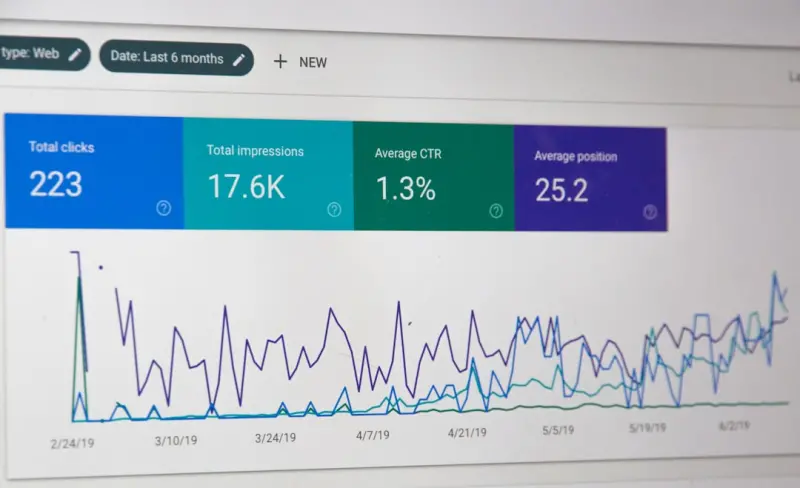
When most marketers whisper “SEO,” Google dominates the conversation. Yet Bing, quietly powered by Microsoft’s AI engine, commands a surprisingly robust slice of the search pie—especially in the enterprise space where Microsoft 365, Azure, and Teams are already entrenched. For B2B SaaS founders and growth teams, ignoring Bing is like building a skyscraper without checking the foundation. This playbook dives deep into the quirks, opportunities, and tactical moves that can turn Bing from a footnote into a growth engine.
Why Bing Matters for B2B SaaS
First, let’s set the stage with hard data. Bing consistently captures 6‑10% of global desktop search traffic, and that share inflates dramatically in corporate environments where Windows is the default OS and Microsoft Edge is the browser of choice. Moreover, Bing’s integration with Microsoft’s suite of products means that search results can surface directly inside Outlook, Teams, and even SharePoint—places where decision‑makers spend their day.
In practice, this translates to three concrete benefits:
- Higher conversion intent. Bing users tend to be older professionals with larger purchasing power, a demographic that aligns perfectly with enterprise software buyers.
- Cross‑product discovery. A search for “project management SaaS” might surface not only a blog post but also a Teams app recommendation, opening a new acquisition channel.
- Reduced competition. With fewer marketers optimizing for Bing, well‑executed tactics can yield outsized visibility compared to the crowded Google arena.
Understanding Bing’s Algorithmic DNA
Bing’s ranking engine shares many fundamentals with Google—relevance, authority, and user experience—but it also weighs a few signals differently.
- Domain age and trust. Bing places more emphasis on a site’s longevity and its historical relationship with Microsoft services.
- Social signals. While Google has downplayed direct social metrics, Bing still taps into engagement from LinkedIn and Twitter, especially for B2B content.
- Page load on Edge. Because Edge is the default browser on Windows, Bing uses its own performance metrics (like Time to Interactive) to gauge user experience.
These nuances suggest that a “copy‑and‑paste” Google strategy will fall short. Instead, you need a Bing‑first mindset that aligns technical health, content relevance, and Microsoft ecosystem integration.
Schema Markup: Bing’s Favorite Language
Structured data is Bing’s lingua franca for understanding context. While Google has popularized the FAQPage and HowTo types, Bing gives extra weight to Product, SoftwareApplication, and Offer schemas. Here’s a quick checklist:
- Declare your SaaS as a
SoftwareApplication. Include fields likeoperatingSystem,applicationCategory, andoffersto surface rich snippets in search results. - Leverage
Reviewschema. Bing pulls rating stars from structured reviews and can display them directly in the SERP, boosting click‑through rates. - Use
BreadcrumbListfor navigation. Clear breadcrumb trails improve crawl efficiency and give Bing a hierarchical map of your site.
Validate your JSON‑LD with Bing’s Markup Validator to ensure the markup is parsed correctly.
Visual Search: Turning Screenshots into Traffic
One of Bing’s most underutilized features is its visual search capability. When a user uploads a screenshot of a dashboard or a UI mock‑up, Bing can match it to relevant pages that contain that exact image.
To capitalize:
- Optimize image file names. Replace generic names like
image1.pngwith descriptive titles such ascrm-dashboard-analytics.png. - Include alt text that mirrors natural language queries. For example, “CRM dashboard showing monthly pipeline metrics for SaaS companies.”
- Host high‑resolution images on a CDN. Faster delivery improves Bing’s confidence in the image’s relevance.
When done right, a prospect can land on a product page simply by snapping a screenshot of a competitor’s UI—turning visual curiosity into a qualified lead.
Local Intent Meets Enterprise: The Power of Microsoft Business Listings
B2B SaaS isn’t “local” in the traditional sense, but Microsoft’s business directory blends corporate and geographic data. Registering your company in the Bing Places for Business portal adds a layer of trust that Bing’s algorithm respects.
Key steps:
- Claim your business profile and verify ownership with a corporate email address.
- Populate the “Industry” field with precise terms like “Enterprise SaaS – Project Management.”
- Upload a high‑quality logo and cover image; these appear in Knowledge Panels alongside your organic listings.
This integration can surface your brand in the “People also ask” and “Related searches” sections that appear in Microsoft Teams or Outlook search results, nudging decision‑makers toward your content.
Performance Matters: Edge‑First Development
Because Bing’s performance metrics are tightly coupled with Edge’s rendering engine, a site that feels sluggish on Edge will be penalized more severely than on other browsers. Embracing an Edge‑First Web Development philosophy can turn a technical liability into a ranking advantage.
Practical steps include:
- Prioritize
modulepreloadandprefetchtags. Edge preloads resources aggressively; feeding it the right hints reduces Time to First Byte. - Implement HTTP/3. Edge supports QUIC natively, delivering faster handshake times and better performance on flaky connections.
- Audit with Edge DevTools. Run Lighthouse audits specifically in Edge to surface performance gaps that Chrome’s audit might miss.
When your SaaS site consistently scores above 90 in Edge’s Core Web Vitals, Bing interprets that as a strong user experience signal and rewards you with better placement.
Security Signals: Zero‑Trust as a Ranking Factor
Bing’s ranking algorithm has begun to surface security‑focused sites higher in enterprise queries, especially when those sites publicly demonstrate a commitment to modern security practices. This is where a Zero‑Trust Culture can double as an SEO lever.
How to make security visible to Bing:
- Publish a comprehensive security page. Detail your data encryption, SOC 2 compliance, and incident response protocols. Use structured data
SecurityCertificationwhere applicable. - Showcase security badges. Embedding recognizable icons (ISO 27001, GDPR) in the page footer signals trustworthiness to both users and crawlers.
- Enable HTTPS with HSTS. Bing flags sites lacking strict transport security as less secure, which can dampen rankings for B2B queries.
Beyond rankings, a strong security narrative improves click‑through rates from risk‑averse enterprise buyers who scan SERPs for compliance cues.
Content Strategy: Conversational Queries & AI‑Generated Insights
With the rise of AI assistants embedded in Bing, search queries have shifted from terse keywords to full‑sentence, conversational prompts. A B2B buyer might type, “What SaaS solution helps my sales team forecast quarterly revenue?” Your content must answer that exact phrasing.
Develop a “question‑first” content matrix:
- Identify high‑intent question clusters. Use Bing’s keyword research tool to surface long‑tail questions specific to your niche.
- Craft in‑depth, 1,500‑word pillar pages. Each page should address the primary question, embed related sub‑questions, and include tables, code snippets, or demo videos.
- Leverage AI to generate schema‑enhanced snippets. Tools like Bing’s AI Writer can help you draft concise answers that fit into the “People also ask” box.
Remember, Bing values freshness but also longevity. Updating a pillar page quarterly with new case studies signals relevance without needing to churn out fresh posts every week.
Measuring Success: Bing Webmaster Tools Deep Dive
Google Search Console gets most of the love, but Bing Webmaster Tools (BWT) offers unique insights:
- Index Explorer. See which URLs Bing has crawled, the time of crawl, and any rendering issues specific to Edge.
- SEO Reports. BWT grades your site on crawlability, URL structure, and metadata completeness—areas where Bing diverges from Google.
- Keyword Performance. Unlike Google’s “Impressions” metric, Bing breaks down impressions by device, location, and even Microsoft account type, letting you fine‑tune B2B targeting.
Set up automated alerts for crawl errors and security warnings; a swift fix can prevent ranking dips before they affect your pipeline.
Putting It All Together: A 90‑Day Sprint
Here’s a practical rollout plan to get your SaaS brand Bing‑ready:
| Week | Focus Area | Key Actions |
|---|---|---|
| 1‑2 | Technical Foundations | Implement Edge‑First performance fixes, enforce HTTPS with HSTS, verify schema markup. |
| 3‑4 | Security & Trust | Publish security page, add SecurityCertification schema, claim Bing Places. |
| 5‑6 | Content Overhaul | Identify top 10 conversational queries, rewrite pillar pages, embed visual search‑optimized images. |
| 7‑8 | Link & Social Signals | Earn backlinks from LinkedIn articles, encourage social shares, monitor Bing’s social metrics. |
| 9‑10 | Analytics & Optimization | Set up BWT alerts, track keyword performance, iterate based on data. |
By the end of this sprint, you should see a measurable lift in Bing impressions, higher click‑through rates from enterprise users, and an expanded funnel of qualified leads that previously never saw your brand.
Final Thoughts
While Google will remain the headline act in search, Bing offers a fertile, under‑exploited garden for B2B SaaS marketers willing to tailor their strategies. By marrying technical performance (think Edge‑First principles), security transparency (Zero‑Trust mindset), and conversational content, you can unlock a steady stream of high‑intent traffic that feeds directly into your sales pipeline. The next time you plan your SEO calendar, put Bing at the table—it just might be the secret ingredient your growth engine needs.

Sanji Patel is a Staff Writer at Blogging Fusion and a globally recognized SEO consultant with 25 years of industry experience. He specializes in delivering comprehensive technical and editorial SEO services to news publishers worldwide. Sanji frequently shares his insights as a speaker at international conferences and delivers annual guest lectures at local universities.
Professional Profile
- Current Role: Staff Writer at Blogging Fusion.
- Core Expertise: Technical and editorial SEO strategy.
- Target Audience: Global news publishers and digital media outlets.
- Industry Experience: 25 years of dedicated SEO consultancy.
- Public Engagement: International conference speaker and university guest lecturer.
Related Posts
Bing SEO Secrets: How SaaS Companies Can Capture Untapped Enterprise Traffic
A deep dive into Bing’s unique ranking factors—enterprise intent, LinkedIn data, and AI semantic... Read More
Cracking Bing’s AI Answers: A Tactical Guide for SaaS Marketers
Bing’s AI answer engine offers a high‑value, low‑competition channel for SaaS firms. This guid... Read More
Cracking the Bing Algorithm: Fresh Strategies for Modern Marketers
Bing is evolving with AI, local focus, and deeper Microsoft integration. This guide reveals how to s... Read More
Top Posts

The Hidden Carbon Cost of Code: Building Green SaaS from the Ground Up
Learn practical steps to make your SaaS greener—from eco‑smart hosting and serverless architectures to carbon‑aware scheduling—so your code contributes ...Read More

When Sneakers Meet Sustainability: The New Frontier of Conscious Kicks
A deep dive into the rising trend of sustainable sneakers, covering innovative materials, circular supply chains, smart technology, and the business case for ec...Read More

Why Hybrid Automation Platforms Are the Secret Weapon for Modern SaaS Teams
Hybrid automation platforms blend human insight with machine execution, delivering faster, consistent, and visible workflows. This post explores benefits, selec...Read More

The Rise of Urban Pick‑Up Leagues and What It Means for Local Communities
Urban pick‑up leagues are turning sidewalks into organized, data‑driven arenas, fostering community, inclusivity, and new revenue streams while preserving t...Read More
0 Comments
Post Comment
You will need to Login or Register to comment on this post!