
Understanding Bing SEO: A Comprehensive Guide
As a digital marketing expert, I, Michelle Fisher, have always been fascinated by the intricacies of search engine optimization (SEO). While Google may be the most popular search engine, Bing is a close second and offers a unique set of opportunities for businesses and individuals looking to improve their online presence. In this article, we will explore the world of Bing SEO and provide actionable tips for optimizing your website for this often-overlooked search engine.
Bing SEO is not just about optimizing for a different search engine; it's about understanding the nuances of Bing's algorithm and leveraging its unique features to improve your online visibility. With Bing's growing popularity, it's essential to understand how to optimize your website for this search engine. By doing so, you can increase your online presence, drive more traffic to your website, and ultimately, boost your conversions.
The Importance of Bing SEO
While Google may dominate the search engine market, Bing is a significant player, with over 100 million daily active users. Bing's user base tends to be more diverse, with a higher percentage of users from lower-income households and a more even split between male and female users. By optimizing for Bing, you can tap into this audience and expand your online reach. For instance, if you're a business targeting a specific demographic, Bing SEO can help you reach that audience more effectively.
One of the most significant advantages of Bing SEO is its lower competition compared to Google. With fewer websites competing for visibility, you have a better chance of ranking higher and driving more traffic to your website. Additionally, Bing's algorithm tends to favor websites with high-quality content, making it an excellent opportunity for businesses and individuals who prioritize content creation.
Keyword Research for Bing SEO
Keyword research is a critical component of any SEO strategy, and Bing SEO is no exception. The first step in optimizing for Bing is to identify relevant keywords and phrases that your target audience uses to search for your products or services. Utilize tools like Bing Keyword Planner, Google Keyword Planner, and SEMrush to find the most effective keywords for your campaign. For example, if you're a business in the sustainable living niche, you may want to target keywords like "eco-friendly products" or "sustainable living tips."
When conducting keyword research, it's essential to consider the nuances of Bing's algorithm. Bing tends to favor long-tail keywords, which are more specific phrases with lower search volumes. By targeting long-tail keywords, you can increase your chances of ranking higher and driving more targeted traffic to your website.
Optimizing On-Page Elements
On-page optimization is crucial for Bing SEO, as it helps search engines understand the structure and content of your website. Ensure that your website has a clear and concise title tag, meta description, and header tags (H1, H2, H3, etc.). Use relevant keywords in these elements, but avoid keyword stuffing, which can lead to penalties. For instance, if you're optimizing a webpage for the keyword "sustainable living tips," make sure to include that keyword in your title tag, meta description, and header tags.
In addition to optimizing on-page elements, it's essential to prioritize content quality. Bing's algorithm favors websites with high-quality, engaging, and informative content. By creating content that resonates with your audience, you can increase your online presence, drive more traffic to your website, and ultimately, boost your conversions.
Content Creation and Marketing
Content creation and marketing are essential components of any SEO strategy, and Bing SEO is no exception. Develop a content strategy that targets your audience's needs and interests, and create high-quality, engaging, and informative content that adds value to their lives. Utilize various content formats, such as blog posts, videos, infographics, and podcasts, to reach your audience and increase your online presence. For example, if you're a business in the sustainable living niche, you may want to create content around eco-friendly products, sustainable living tips, and environmental issues.
When creating content, it's essential to consider the intersection of technology and sustainable living. By leveraging digital tools and platforms, you can create content that resonates with your audience and drives more traffic to your website. For instance, you can use social media platforms to promote your content, engage with your audience, and build your brand.
Link Building and Outreach
Link building and outreach are critical components of Bing SEO, as they help search engines understand the credibility and authority of your website. Focus on acquiring high-quality backlinks from authoritative sources, such as .gov, .edu, and .org websites. Utilize various link building strategies, such as guest blogging, resource pages, and broken link building, to increase your online presence and drive more traffic to your website. For example, if you're a business in the sustainable living niche, you may want to guest blog on websites like The Intersection of Travel and Sustainable Living or The Evolution of Eco-Tourism.
When building links, it's essential to consider the nuances of Bing's algorithm. Bing tends to favor websites with high-quality, relevant backlinks, making it essential to prioritize link building and outreach. By acquiring high-quality backlinks, you can increase your online presence, drive more traffic to your website, and ultimately, boost your conversions.
Technical SEO and Optimization
Technical SEO and optimization are essential components of Bing SEO, as they help search engines understand the structure and functionality of your website. Ensure that your website is mobile-friendly, has a secure connection (HTTPS), and loads quickly (less than 3 seconds). Utilize tools like Bing Webmaster Tools and Google Search Console to monitor your website's performance, identify technical issues, and optimize your website for better search engine rankings. For example, if you're a business with an e-commerce website, you may want to optimize your website's loading speed to improve user experience and search engine rankings.
When optimizing your website technically, it's essential to consider the intersection of web development and sustainable living. By leveraging digital tools and platforms, you can create a website that resonates with your audience and drives more traffic to your website. For instance, you can use website optimization tools to improve your website's loading speed, enhance user experience, and increase search engine rankings.
Local SEO and Bing Places
Local SEO is critical for businesses with a physical presence, and Bing Places is an essential tool for optimizing your business's online presence. Claim and optimize your Bing Places listing, ensuring that your business's name, address, and phone number (NAP) are consistent across the web. Utilize Bing Places to manage your business's online reputation, respond to customer reviews, and increase your online visibility. For example, if you're a business with a physical location, you may want to optimize your Bing Places listing to improve local search engine rankings and drive more traffic to your website.
When optimizing your Bing Places listing, it's essential to consider the nuances of Bing's algorithm. Bing tends to favor businesses with high-quality, accurate listings, making it essential to prioritize local SEO and Bing Places optimization. By optimizing your Bing Places listing, you can increase your online presence, drive more traffic to your website, and ultimately, boost your conversions.
Measuring and Tracking Success
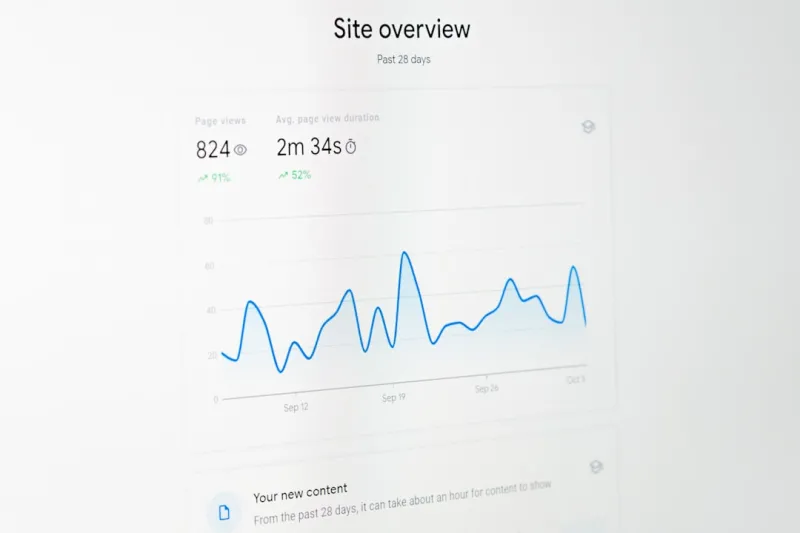
Measuring and tracking success is essential for any SEO strategy, and Bing SEO is no exception. Utilize tools like Bing Webmaster Tools, Google Analytics, and SEMrush to monitor your website's performance, track your keyword rankings, and adjust your SEO strategy accordingly. Focus on metrics like organic traffic, conversion rates, and return on investment (ROI) to measure the effectiveness of your Bing SEO efforts. For example, if you're a business with an e-commerce website, you may want to track metrics like conversion rates, revenue, and ROI to measure the effectiveness of your Bing SEO efforts.
When measuring and tracking success, it's essential to consider the intersection of technology and sustainable living. By leveraging digital tools and platforms, you can create a data-driven SEO strategy that resonates with your audience and drives more traffic to your website. For instance, you can use analytics tools to track your website's performance, identify areas for improvement, and adjust your SEO strategy accordingly.
Conclusion
Bing SEO is a powerful tool for businesses and individuals looking to expand their online presence and drive more traffic to their website. By understanding the nuances of Bing's algorithm and leveraging its unique features, you can increase your online visibility, drive more traffic to your website, and ultimately, boost your conversions. Remember to prioritize keyword research, on-page optimization, content creation, link building, technical SEO, and local SEO to develop a comprehensive Bing SEO strategy. With the right approach and tools, you can succeed in the world of Bing SEO and take your online presence to the next level.
By following these tips and best practices, you can optimize your website for Bing and improve your online presence. For more information on sustainable living and digital strategy, check out The Intersection of Gardening and Sustainable Living and The Future of Social Media Marketing.

In the world of freelance writing, where creativity and adaptability are paramount, Michelle Fisher stands out as a dedicated and versatile professional. With a passion for crafting compelling narratives and a keen eye for detail, Michelle has established herself as a trusted voice.
Related Posts
Unlocking Bing SEO: A B2B SaaS Playbook for the Microsoft Ecosystem
Learn why Bing is a hidden goldmine for B2B SaaS, how to build semantic authority, optimize technica... Read More
Unlocking Bing’s Hidden Power for B2B SaaS Visibility
Bing isn’t just a backup to Google—its integration with Windows, Edge, and LinkedIn makes it a s... Read More

Why Bing Is the Quiet Powerhouse Marketers Can’t Afford to Ignore
Bing’s market share, AI-driven results, and deep ties to Microsoft’s ecosystem make it a hidden ... Read More
Top Posts

Micro‑Frontends Unleashed: Building Scalable Web Apps One Piece at a Time
Learn why micro‑frontends are the secret sauce for modern web apps, how they empower independent teams, and practical steps to adopt this modular approach wit...Read More

Titans of Torque: Why Certain Power Tool Brands Endure and Dominate The Market
In the dynamic world of DIY and professional trades, power tools are not merely instruments; they are extensions of our will, catalysts for creation, and essent...Read More

Why Car Ownership Is Evolving Into a Subscription Service
A deep dive into the rise of car subscriptions, how digital twins and modular platforms enable flexible ownership, and what manufacturers must do to thrive in t...Read More

The Secret Playbook for Building a Brand That Lives in the Mind
A deep dive into the hidden costs of inconsistency, the power of archetypes, sensory branding, and community co‑creation, revealing a playbook to make your br...Read More
0 Comments
Post Comment
You will need to Login or Register to comment on this post!