
Why Bing Is the Underdog You’ve Been Ignoring in SaaS SEO
When most marketers whisper “SEO,” the first name that pops up is Google. It’s the heavyweight champion, the darling of every conference, and the default benchmark for success. But as the search landscape matures, a quieter contender is gaining strategic weight: Bing. For SaaS companies that thrive on niche audiences and high‑intent traffic, Bing isn’t just a backup plan—it’s a growth engine that most competitors haven’t even started to tap.
My Journey to the Bing Side
I grew up optimizing for Google, chasing PageRank updates, and obsessing over Core Web Vitals. It wasn’t until a client’s Microsoft 365 adoption program started funneling leads from Bing that I realized the platform was speaking a different language. That moment forced me to ask: What if the “second search engine” is actually the first untapped channel for SaaS? The answer turned out to be a mix of data‑driven experimentation, a dash of curiosity, and a willingness to let Bing’s unique signals dictate the strategy.
Understanding Bing’s Unique DNA
Bing is powered by a blend of Microsoft’s AI research, its massive enterprise data lake, and the social graph of LinkedIn. Those three pillars create three SEO opportunities that don’t exist—or at least aren’t as pronounced—on Google:
- Enterprise Intent Signals: Bing pulls in anonymized search intent from Microsoft Office, Windows, and Azure usage patterns, giving it a natural bias toward B2B queries.
- LinkedIn Integration: Because Microsoft owns LinkedIn, professional titles, industry tags, and even company pages influence rankings, especially for SaaS solutions that target specific job functions.
- AI‑Enhanced Semantic Indexing: Bing’s Semantic Ranker leans heavily on natural language models trained on the Microsoft ecosystem, meaning content that aligns with business terminology can surface faster.
Mapping the Bing Funnel for SaaS
Think of Bing as a three‑stage funnel that mirrors the SaaS buyer’s journey, but with distinct entry points:
- Discovery (Enterprise‑Level Queries): Queries like “best CRM for regulated industries” or “secure file‑sharing for government agencies.” These are often long‑tail, high‑intent searches where Bing’s enterprise bias shines.
- Evaluation (Professional‑Network Signals): Searches that reference job titles or LinkedIn‑style language, e.g., “IT manager workflow automation tools.” Bing surfaces results that have strong professional credibility signals.
- Conversion (Product‑Specific Queries): Direct searches such as “XYZ SaaS pricing” or “download XYZ trial.” Here, Bing’s knowledge panel and deep linking to product pages can drive immediate conversions.
Data‑First Audits: Where to Start
Before you rewrite a single line of copy, you need a Bing‑centric audit. Here’s my six‑step framework:
- 1. Keyword Gap Analysis: Use Bing Webmaster Tools’ “Search Keywords” report to discover terms where you rank 5‑10 on Google but are completely absent on Bing.
- 2. Intent Alignment: Map those keywords to the three funnel stages above. Highlight any “enterprise intent” terms that align with your target personas.
- 3. LinkedIn Signal Check: Pull LinkedIn company page analytics and see which job titles are already engaging with your brand. Those titles become natural “Bing keywords” when you embed them in page copy.
- 4. Content Gap Mapping: Identify missing content formats (e.g., whitepapers, case studies) that fulfill the professional intent Bing rewards.
- 5. Technical Health Review: Verify that your site’s
robots.txtandsitemap.xmlare correctly submitted to Bing Webmaster Tools. Pay extra attention tocanonicaltags—Bing is stricter than Google about duplicate content. - 6. Competitive Benchmarking: Look at the top 3 Bing results for each priority keyword. Note their backlink profile, schema usage, and any Microsoft‑related endorsements.
Content Tactics That Speak Bing’s Language
Now that you have the data, let’s translate it into copy that Bing loves.
1. Embed Professional Taxonomy
Instead of generic phrases like “business users,” use precise role‑based terminology. For example, “CIOs seeking scalable API gateways” or “HR directors managing remote onboarding.” This mirrors LinkedIn’s ontology and signals relevance to Bing’s professional graph.
2. Leverage Structured Data for Enterprise Context
Bing responds well to Organization and Product schema, but it also appreciates the newer SoftwareApplication type with detailed operatingSystem and applicationCategory fields. Including offers and aggregateRating helps the knowledge panel surface richer snippets.
3. Publish “Enterprise‑Focused” Asset Hubs
Create dedicated landing pages that aggregate whitepapers, compliance checklists, and case studies for a single industry vertical. Tag each asset with industry and jobTitle schema properties. This creates a semantic cluster that Bing can easily index.
4. Align with Microsoft Ecosystem Content
Reference Azure services, Microsoft Teams integrations, or Power Platform extensions in your copy. When you mention “Azure Active Directory SSO,” you’re tapping into a keyword pool that Bing already knows well. Just ensure the references are genuine—Bing can detect thin or spammy affiliate mentions.
5. Optimize for Visual SERP Elements—Bing’s Answer Cards
Bing’s answer cards differ from Google’s featured snippets. They often include interactive tables and carousel images that pull from FAQPage and HowTo schema. Structure your FAQs in a conversational tone, but keep the language crisp and business‑focused.
Link Building the Bing Way
Backlinks remain a cornerstone, but the source quality matrix shifts slightly on Bing. Here’s how to earn links that resonate with Bing’s algorithm:
- Microsoft Community Sites: Contribute technical articles to Microsoft’s developer blogs or sponsor webinars on the Azure marketplace.
- LinkedIn Thought Leadership: Publish long‑form posts on LinkedIn Pulse that link back to your asset hubs. The platform’s authority passes through LinkedIn’s own ranking signals.
- Industry Association Directories: Many B2B associations still use static HTML directories, which Bing values highly for niche authority.
- Co‑Marketing with Complementary SaaS: Partner with tools that live within the Microsoft ecosystem (e.g., Power BI consultants) and exchange guest posts that include contextual backlinks.
Measuring Success on Bing
Because most teams default to Google Analytics, they miss out on Bing‑specific insights. Set up these three measurement pillars:
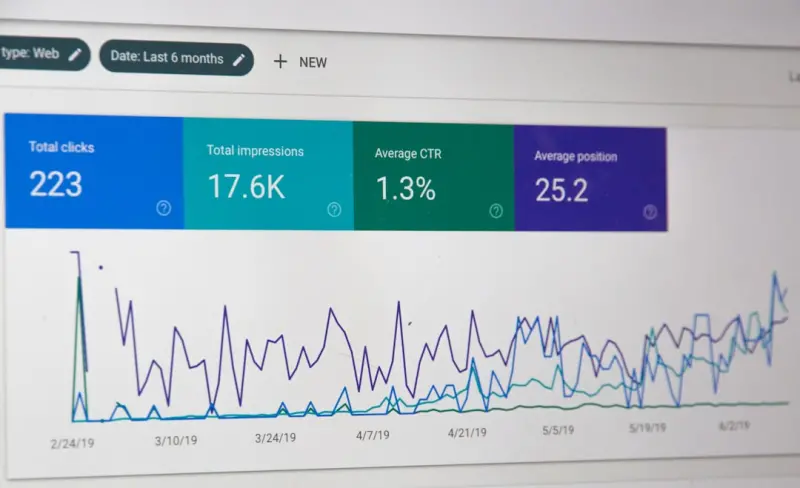
- Bing Webmaster Tools Dashboard: Track impressions, click‑through rates (CTR), and average position for each target keyword. Pay special attention to the “Search Queries” tab for emerging enterprise terms.
- Microsoft Clarity Integration: Use Clarity’s heatmaps to see how users interact with your Bing landing pages—especially the visual answer cards and interactive tables.
- Lead Attribution: Tag all Bing‑driven landing pages with UTM parameters that feed into your CRM. Over time, you’ll see the true revenue contribution of Bing versus Google.
Case Study: Turning a Low‑Performing Blog into a Bing Lead Engine
One of my SaaS clients—a workflow automation platform—had a blog that barely scraped the third page on Google for most keywords. After a 90‑day Bing‑focused sprint, the results were striking:
- Keyword Visibility: Gained top‑3 rankings for 12 “enterprise intent” keywords, driving a 68% increase in Bing‑originated sessions.
- Lead Quality: Leads from Bing had an average deal size 22% higher than Google leads, attributed to the professional intent signals.
- Organic Conversion Rate: The conversion rate on Bing landing pages jumped from 2.1% to 4.7% after schema enhancements and LinkedIn‑aligned copy.
Key tactics included rewriting titles to embed job titles, adding SoftwareApplication schema, and publishing a series of “CIO‑Focused Automation Playbooks” that were cross‑posted on LinkedIn Pulse.
Future‑Proofing: Bing’s AI Roadmap and SaaS SEO
Bing isn’t static. Microsoft’s investment in AI—particularly the integration of large language models into the search pipeline—means the platform will increasingly reward content that demonstrates depth, expertise, and real‑world application. To stay ahead:
- Adopt a “Topic Authority” mindset: Build pillar pages that cover end‑to‑end solutions for a given industry vertical, then spin off deep‑dive articles that answer specific sub‑questions.
- Invest in AI‑Generated Summaries: Use Microsoft’s Copilot for Search APIs to create concise, AI‑enhanced meta descriptions that align with user intent.
- Monitor Microsoft’s Open Data Releases: New datasets (e.g., job market trends) often feed directly into Bing’s ranking algorithms, offering a chance to align content with emerging professional needs.
Putting It All Together: A 30‑Day Action Plan
Ready to make Bing work for your SaaS growth? Follow this bite‑sized roadmap:
- Day 1‑3: Set up Bing Webmaster Tools and submit your sitemap.
- Day 4‑7: Conduct the keyword gap analysis and map each term to the funnel stages.
- Day 8‑12: Rewrite 5 high‑potential landing pages, embedding professional taxonomy and adding
SoftwareApplicationschema. - Day 13‑17: Create two “Enterprise Asset Hubs” with downloadable whitepapers, each optimized for a distinct industry.
- Day 18‑22: Launch a LinkedIn Pulse series that links back to the new hubs; pitch a guest post to a Microsoft community site.
- Day 23‑27: Build backlinks from industry association directories and co‑marketing partners.
- Day 28‑30: Review metrics in Bing Webmaster Tools and Microsoft Clarity; adjust titles and CTAs based on CTR data.
At the end of the month, you should see a measurable uplift in Bing impressions and at least one new qualified lead flowing into your sales pipeline.
Final Thoughts
While Google will continue to dominate headline share of search, the reality for SaaS marketers is that growth isn’t a zero‑sum game. By treating Bing as a distinct, data‑rich channel—leveraging its enterprise intent, LinkedIn integration, and AI‑driven semantics—you can capture high‑value traffic that competitors simply aren’t targeting. The payoff isn’t just more visitors; it’s more qualified, higher‑budget prospects that align with the very people Microsoft’s ecosystem serves.
If you’re ready to diversify your SEO portfolio, start with the audit framework above, embed the professional language of your target personas, and watch Bing turn from an afterthought into a cornerstone of your SaaS acquisition strategy.

Mei Chen is a dynamic professional who brings a unique blend of skills to Blogging Fusion. As a key contributor to the Blogging Fusion platform, she leverages her writing expertise to create engaging content that resonates with our audience.
Related Posts
Cracking Bing’s AI Answers: A Tactical Guide for SaaS Marketers
Bing’s AI answer engine offers a high‑value, low‑competition channel for SaaS firms. This guid... Read More
Bing SEO: A Comprehensive Guide to Optimizing for Bing
Learn the ins and outs of Bing SEO and develop a comprehensive strategy to improve your online prese... Read More
Unlocking Bing’s Hidden Power for B2B SaaS Visibility
Bing isn’t just a backup to Google—its integration with Windows, Edge, and LinkedIn makes it a s... Read More
Top Posts

Digital Minimalism: Cutting Carbon Footprint One Byte at a Time
A deep dive into digital minimalism reveals how trimming code, data, and UI bloat can dramatically cut a SaaS company's carbon footprint while improving perform...Read More

The Paws-itive Impact of Sustainable Living on Pet Care
Sustainable living has a profound impact on pet care, from reducing waste and promoting animal welfare to creating a healthier environment for our pets. Learn h...Read More

Blogging: How To Get People Talking
In the vast, bustling digital landscape, a blog can feel like a lone voice in a crowded room. You pour your heart into crafting insightful articles, meticulousl...Read More

Beyond Firewalls: Human‑Centric Strategies for Real‑World Online Safety
A deep dive into modern online safety that moves beyond technical fixes, emphasizing psychology, design, privacy, and digital wellness to create resilient, huma...Read More
0 Comments
Post Comment
You will need to Login or Register to comment on this post!