
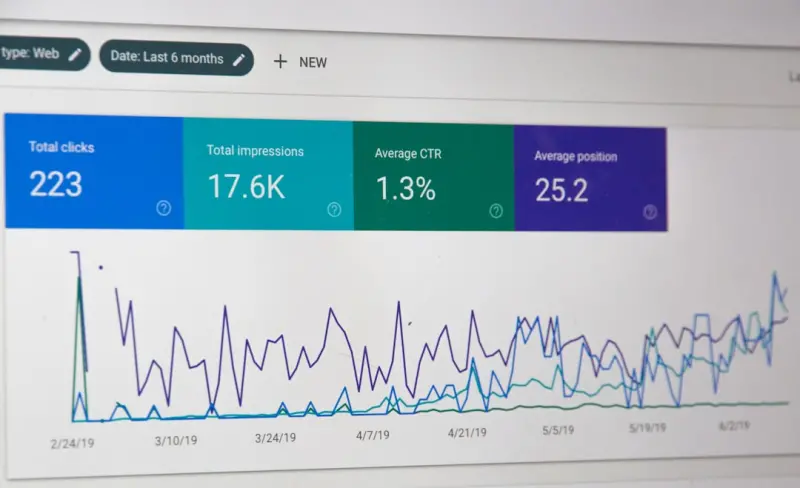
When most marketers think about search, Google instantly takes the spotlight. Yet Bing quietly commands a sizable share of the search market—especially among enterprise users, Windows ecosystems, and regions where Microsoft’s ecosystem dominates. For SaaS companies, this isn’t a niche curiosity; it’s a strategic channel that can deliver high‑intent leads at a fraction of the cost of traditional paid campaigns.
Why Bing Matters Beyond the Search Box
Bing isn’t just a fallback for “Google‑averse” users. It powers Microsoft Edge, Windows Search, and the Microsoft 365 suite—places where decision‑makers spend hours each day. Moreover, Bing’s integration with Azure AI means the search engine is evolving faster than many realize, especially in the realm of AI‑generated answer snippets and conversational search.
For B2B SaaS marketers, the implication is clear: if your product isn’t visible in Bing’s answer boxes, you’re leaving revenue on the table. The good news? Bing’s algorithmic preferences differ enough from Google’s that a focused effort can yield disproportionate upside.
Understanding Bing’s AI Answer Engine
Bing’s AI answer engine—often displayed as a “knowledge panel” or “featured snippet”—leverages a combination of:
- Semantic understanding: Natural language processing (NLP) models parse user intent beyond keyword matches.
- Structured data signals: Schema.org markup, JSON‑LD, and Microsoft’s own
ms:searchextensions. - Content freshness and authority: Real‑time indexing of authoritative sites, especially those hosted on Azure.
Unlike Google, which leans heavily on PageRank‑style link authority, Bing gives extra weight to clear, well‑structured content that directly answers a question. This opens a door for SaaS brands that can articulate their value proposition in a concise, data‑rich format.
Structured Data: The Secret Sauce for Bing
At the heart of Bing’s answer engine lies ethical data practices. While “ethical data” often surfaces in discussions of privacy, it also signals to Bing that your site is trustworthy and compliant—a factor that directly influences ranking in answer boxes.
Here are the most impactful schema types for SaaS companies:
- Product – Describe your software as a product, including pricing tiers, features, and availability.
- FAQ – Embed common customer questions and concise answers. Bing pulls from these directly into its conversational UI.
- Review – Highlight verified customer testimonials, star ratings, and case‑study excerpts.
- SoftwareApplication – Provide technical details such as operating system compatibility, supported languages, and integration points.
Implementing these schemas using JSON‑LD ensures that Bing’s crawlers can parse the data without cluttering the visible page. A quick audit with Microsoft’s Schema Markup Validator can reveal missing or mis‑typed fields that may be holding you back.
Case Study: Turning WordPress into a Headless Powerhouse for Better Bing Visibility
Many SaaS marketers default to monolithic CMS setups, but a headless architecture can dramatically improve how Bing indexes your content. By decoupling the front‑end presentation from the back‑end data store, you gain granular control over:
- How and when structured data is emitted.
- The speed of page loads—a critical ranking factor for Bing’s mobile index.
- Dynamic personalization that serves different schema variants to distinct audience segments.
Read the full walkthrough in Turning WordPress into a Headless Powerhouse for Modern Brands. In short, the process looks like this:
- Choose a headless CMS layer: Tools like Strapi or Contentful sit between WordPress and your front‑end framework.
- Expose content via a GraphQL API: This lets your React or Vue front‑end request exactly the fields needed for each page, including the structured data blocks.
- Render server‑side for SEO: Use Next.js or Nuxt.js to generate static HTML snapshots that Bing can crawl efficiently.
- Inject schema programmatically: Pull product, FAQ, and review data from your API and embed it as JSON‑LD in the
<head>of each page.
When you combine a headless stack with Bing’s AI answer engine, you create a feedback loop: faster, cleaner pages earn better rankings, which drives more traffic, which in turn boosts authority signals.
Ethical Data Practices That Win on Bing
Beyond markup, Bing rewards sites that demonstrate respect for user privacy and data integrity. This aligns perfectly with the principles outlined in Ethical Data: The New Competitive Edge. Here are three pragmatic steps:
- Transparent consent flows: Use clear, concise cookie banners that give users control over tracking scripts.
- Data minimization: Only collect the data you truly need for conversion, and delete it when it’s no longer required.
- Secure transmission: Enforce HTTPS across every sub‑domain and enable HTTP/2 for faster, encrypted delivery.
When Bing’s crawlers detect a site that follows these practices, they assign a higher “trust” score—especially for pages that surface in answer snippets where users expect reliable information.
Leveraging AI‑Generated Content Responsibly
One of the hottest debates in the SEO world is the role of AI‑generated copy. While tools like ChatGPT can accelerate content creation, Bing’s algorithm penalizes low‑quality, duplicate, or overly generic text. The sweet spot is a hybrid approach:
- Use AI for research and outlines: Let the model aggregate industry data, competitor analysis, and keyword clusters.
- Human‑edit for brand voice and nuance: Infuse personality, context, and strategic messaging that only a marketer can provide.
- Validate with plagiarism detectors: Ensure uniqueness before publishing.
In ChatGPT: The Silent Co‑Founder of Your SaaS Strategy, I explored how AI can become a silent partner in product development. Apply the same mindset to SEO: AI drafts, humans refine, Bing rewards.
Actionable Checklist for SaaS Marketers
To translate these concepts into measurable results, use the following checklist. Treat each item as a sprint goal for your next quarter.
- Audit existing pages for schema coverage. Identify gaps in Product, FAQ, Review, and SoftwareApplication markup.
- Implement a headless architecture. If you’re on a monolithic CMS, pilot a headless module for a flagship landing page.
- Publish a dedicated FAQ page. Target long‑tail queries that align with buyer pain points.
- Optimize page speed. Aim for a Largest Contentful Paint (LCP) under 2.5 seconds for Bing’s mobile index.
- Integrate privacy‑first consent tooling. Document compliance and display it in your footer.
- Leverage AI for content scaffolding. Generate outlines, then have subject‑matter experts flesh them out.
- Monitor Bing Webmaster Tools. Set up alerts for indexing errors, schema warnings, and click‑through trends.
- Run A/B tests on answer‑box targeting. Compare traffic from pages with rich schema versus plain HTML.
When you systematically tick these boxes, you’ll start to see Bing’s answer engine surface your SaaS content more frequently—leading to higher click‑through rates and lower acquisition costs.
Future‑Proofing Your Bing Strategy
Microsoft’s roadmap indicates deeper integration of AI assistants (like Copilot) directly into Bing search. This means conversational queries will become the norm, and the search engine will increasingly act as a “knowledge broker” that surfaces the most relevant SaaS solution without the user needing to click multiple results.
To stay ahead:
- Invest in semantic content clusters. Map out pillar topics and sub‑topics that answer end‑to‑end buyer journeys.
- Publish data‑driven case studies. Real‑world metrics (e.g., reduction in churn by 12 %) are prime material for AI‑driven answer snippets.
- Adopt continuous schema validation. Automate checks in your CI/CD pipeline so new releases never break markup.
By treating Bing as a living, learning platform rather than a static traffic source, you position your SaaS brand to capture the next wave of AI‑augmented search.
Wrapping Up
Bing may not dominate the headlines, but its blend of AI, structured data emphasis, and deep integration with Microsoft’s ecosystem makes it a fertile hunting ground for SaaS marketers willing to think beyond the Google‑centric playbook. From ethical data stewardship to headless CMS architecture, the tools are there; the real work is in weaving them into a cohesive, future‑ready strategy.

Jody Henderson is a passionate freelance writer, driven by a love for storytelling and a keen eye for detail. With a versatile skillset, she crafts compelling content across a variety of niches, from engaging blog posts to informative articles and persuasive marketing copy.
Related Posts
Bing SEO: Untapped Strategies for Enterprise Growth
Explore how to leverage Bing’s AI intent signals, visual search entities, and real‑time indexing... Read More

Why Bing Is the Quiet Powerhouse Marketers Can’t Afford to Ignore
Bing’s market share, AI-driven results, and deep ties to Microsoft’s ecosystem make it a hidden ... Read More
Unlocking Bing’s Hidden Power for B2B SaaS Visibility
Bing isn’t just a backup to Google—its integration with Windows, Edge, and LinkedIn makes it a s... Read More
Top Posts

Pets at Work: How Furry Friends Are Shaping the Remote‑First Era
Discover why pets are becoming essential partners in remote work, improving mental health, productivity, and even brand strategy while embracing sustainable cho...Read More

Observability as a Product: The New Frontline for SaaS Success
Treating observability as a product transforms raw metrics into a customer‑facing feature that builds trust, reduces support tickets, and drives revenue growt...Read More

Playtime Revolution: How Sensors, Sustainability, and AI Are Redefining Toys
A deep dive into the three megatrends—sensor‑enabled play, sustainable materials, and AI‑driven storytelling—that are turning today’s toys into innova...Read More

Mental Health in the Digital Age: Navigating the Complexities
Mental health in the digital age is a complex issue. Learn how to mitigate the negative effects of technology and cultivate a healthier relationship with the di...Read More
0 Comments
Post Comment
You will need to Login or Register to comment on this post!