
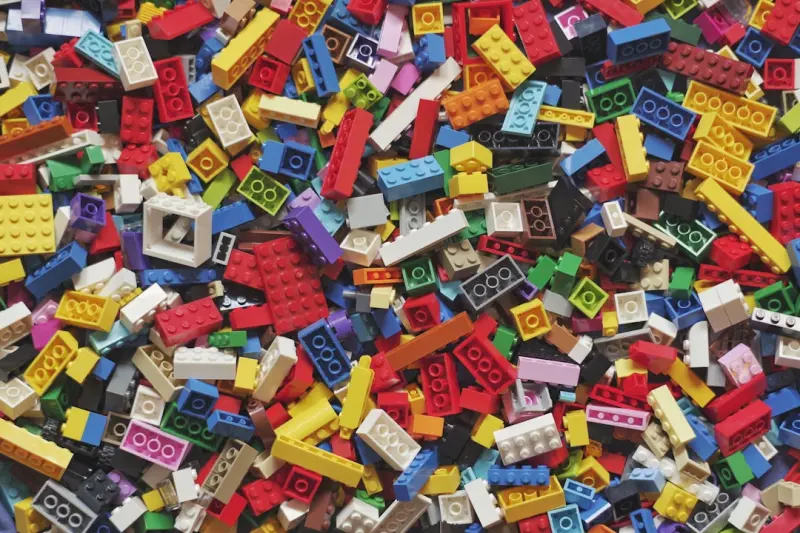
When I was a kid, my imagination ran wild on a kitchen table strewn with LEGO bricks, a squeaky rubber dinosaur, and a battered Game Boy. Fast forward to today, and the same restless curiosity fuels a multi‑billion‑dollar industry that’s morphing faster than any tech stack I’ve ever managed. Toys aren’t just playthings anymore; they’re platforms for learning, social connection, and even sustainability experiments. In this deep dive I’ll unpack the three megatrends that are turning the toy aisle into a cutting‑edge laboratory, and why every forward‑thinking parent, educator, or product leader should be paying attention.
The Rise of Sensor‑Enabled Play
Remember the first time a toy reacted to your touch? The buzz of a remote‑controlled car, the glow of a night‑light that woke up when you clapped. Those were the early sparks of interactivity. Today, sensors—accelerometers, gyroscopes, pressure pads, even tiny cameras—are embedded in everything from plush animals to building blocks. The data they collect isn’t just for flashy lights; it’s a feedback loop that teaches kids about cause and effect in real time.
Think about it: a smart robot that adjusts its speed based on a child’s hand‑motion is essentially practicing biofeedback and micro‑breaks in miniature form. The toy monitors the child’s engagement level, nudges them with a new challenge, then steps back when they’re overwhelmed. It mirrors the way wellness tech nudges adults toward better habits, but with the added bonus of pure fun.
Beyond the “wow” factor, these sensors enable:
- Adaptive difficulty: Learning toys can scale puzzles up or down based on performance, keeping the “zone of proximal development” alive.
- Data‑driven insights for parents: Simple dashboards show activity patterns, helping caregivers spot trends like reduced outdoor play or screen fatigue.
- Safety monitoring: Sensors can detect if a child leaves a designated play zone, sending a discreet alert to a smartwatch.
The key is balance. Over‑instrumentation can feel invasive, turning a carefree play session into a data collection exercise. Successful products keep the tech invisible, letting the magic of play remain front and center.
Sustainability as the New Play Currency
Kids are the most honest critics. Hand them a plastic action figure and a biodegradable wooden one, and you’ll see the difference in enthusiasm within minutes. Today’s parents are equally vocal, demanding toys that respect the planet. This has sparked a wave of eco‑centric design that goes beyond “recyclable packaging.”
Here’s what’s happening on the ground:
- Material innovation: Bioplastics derived from corn starch, plant‑based resins, and even recycled ocean plastics are becoming mainstream. Companies are touting carbon‑neutral manufacturing processes, turning the toy’s lifecycle into a teachable moment about climate stewardship.
- Modular design: Instead of buying a new set every year, kids can upgrade or swap components—think LEGO bricks for the modern age. This extends product longevity and reduces landfill waste.
Repair culture: Brands now provide repair manuals and spare parts, encouraging families to fix broken pieces rather than discard them.
These shifts also open up new business models. Subscription boxes that deliver seasonal, sustainably sourced kits keep the excitement fresh while ensuring that older pieces are returned, refurbished, and cycled back into the system. It’s a circular economy that mirrors the “plug‑in” ecosystem discussed in Beyond Add‑Ons, but with a tangible, tactile twist.
AI‑Powered Storytelling and Personalization
Artificial intelligence isn’t just for chatbots and recommendation engines; it’s the secret sauce behind next‑gen storytelling toys. Imagine a plush bear that crafts bedtime stories based on your child’s recent adventures, or a puzzle that rearranges its narrative arc as the child learns new vocabulary.
These AI companions use natural language processing and generative models to:
- Generate dynamic narratives: Stories evolve with each interaction, keeping kids engaged week after week.
- Adapt to learning styles: Visual learners get more illustrations; auditory learners hear richer soundscapes.
- Facilitate language acquisition: Real‑time translation lets siblings practice new languages together.
Behind the scenes, the same semantic technologies that power semantic search & entity graphs are being repurposed to understand a child’s interests and map them onto story elements. The result is a fluid, personalized experience that feels handcrafted, yet scales across millions of households.
Retro Revival: The Power of Nostalgia Meets Modern Tech
There’s a reason why vinyl records, Polaroid cameras, and classic board games keep making comebacks: nostalgia is a potent emotional driver. The toy industry is capitalizing on this by re‑imagining legacy products with a high‑tech upgrade.
Examples include:
- Smart Rubik’s Cubes: Classic twist puzzles with Bluetooth connectivity that track solve times, suggest algorithms, and compete on global leaderboards.
- Digital Tamagotchis: Modern versions that integrate health monitoring, reminding kids to stay active and hydrate.
- AR‑enhanced board games: Physical pieces that trigger augmented reality overlays on a tablet, blending tabletop strategy with digital depth.
This fusion satisfies two cravings: the comforting familiarity of a beloved toy and the thrill of cutting‑edge functionality. It also creates a shared experience across generations—grandparents can reminisce while grandchildren explore new features.
Indie Maker Movement: Democratizing Toy Innovation
The barrier to entry for toy design has plummeted. 3D printers, affordable electronics kits, and open‑source software platforms empower hobbyists to prototype and launch products faster than ever. Crowdfunding sites serve as testbeds, allowing creators to validate demand before mass production.
What does this mean for the market?
- Diverse voices: More inclusive designs that reflect varied cultures, abilities, and interests.
- Rapid iteration: Community feedback loops shorten the development cycle, echoing the agile principles we see in microlearning strategies.
- Localized production: Small‑batch manufacturing reduces shipping emissions and supports regional economies.
These indie innovators often employ “link‑building” tactics—partnering with schools, libraries, and parent bloggers—to spread the word, much like the modern link building engines that keep content alive long after publication.
Play as a Platform: The Future Landscape
Pulling these threads together, the future of toys looks less like a static shelf of products and more like an evolving platform where hardware, software, and community intersect. The core principles driving this shift are:
- Interactivity that teaches: Sensors and AI transform play into experiential learning without sacrificing fun.
- Sustainability as default: Eco‑friendly materials and circular models become the baseline, not the selling point.
- Personalization at scale: Data‑driven narratives adapt to each child, fostering deeper engagement.
- Community‑driven creation: Indie makers and collaborative ecosystems keep the market fresh and inclusive.
For parents, this means more thoughtful choices that align with values and developmental goals. For educators, it opens doors to curriculum‑aligned tools that feel like toys, not textbooks. And for entrepreneurs, the convergence of technology and play presents a fertile ground for innovation—provided you stay true to the child’s innate curiosity.
So the next time you walk past the toy aisle, look beyond the flashy packaging. Ask yourself: does this toy spark imagination, teach resilience, and respect the world we’re handing over to the next generation? If the answer is yes, you’ve found a product that’s not just a toy, but a catalyst for the future.

Ryan Stuart is a seasoned freelance features writer, editor, and professional photographer with a passion for exploring the world and capturing its beauty through words and images.
Related Posts
Why Sustainable Smart Toys Are the Next Big Play Trend
Discover the rise of sustainable smart toys that blend low‑impact materials, renewable power, and ... Read More

The Power of Play: How Toys Are Shaping the Future of Childhood
Toys have been a staple of childhood for centuries, providing entertainment, education, and comfort.... Read More
Beyond Plastic: How Smart, Sustainable Toys Are Redefining Play
A deep dive into the rise of sustainable, AI‑enhanced toys, exploring their environmental benefits... Read More
Top Posts

How a Freelance Writer Can Help You With Writing Blogs
In the digital age, a robust online presence is no longer a luxury but a necessity for businesses of all sizes. At the heart of a successful digital strategy li...Read More

Great Online Courses to Get Your Degree
The landscape of higher education has undergone a profound transformation in recent decades. What was once predominantly a brick-and-mortar experience has expan...Read More

Building Psychological Safety into SaaS Teams: A Playbook for Leaders
Psychological safety is a strategic advantage for SaaS firms, enabling teams to speak up, learn from mistakes, and innovate faster. This playbook offers measura...Read More

Why Multi‑Functional Beauty Rituals Are the Smart Choice for Busy Professionals
Multi‑functional beauty products streamline routines, offering protection, hydration, and style in one, perfect for professionals seeking efficiency and susta...Read More
0 Comments
Post Comment
You will need to Login or Register to comment on this post!