
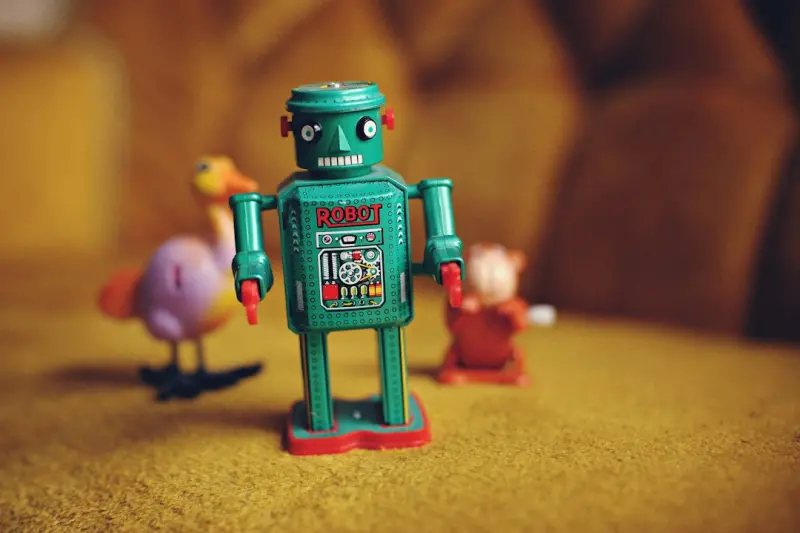
When I was a kid, the most exciting thing in the toy aisle was the shiny plastic that promised endless imagination. Today, that excitement is being reshaped by two forces that rarely crossed paths in my childhood: sustainability and connectivity. The new wave of sustainable smart toys isn’t just about clever gadgets—it’s about re‑thinking how we play, learn, and care for the planet all at once.
From Plastic to Purpose: The Evolution of Toy Materials
Traditional toys have long relied on petroleum‑based plastics that take centuries to decompose. Recent consumer pressure and stricter regulations have forced manufacturers to explore alternatives: recycled polymers, biodegradable bioplastics, and even plant‑based composites. These materials don’t just reduce landfill waste; they open the door to innovative designs that can be easily disassembled and recycled at the end of a toy’s life cycle.
Take, for example, the modular building blocks made from 100 % post‑consumer recycled ocean plastics. Each piece snaps together with the same tactile satisfaction as its conventional counterpart, but the story behind it teaches children about ocean conservation each time they build a tower.
Smart Meets Sustainable: The Tech That Doesn’t Cost the Earth
Smart toys have traditionally been dominated by battery‑hungry electronics and cloud‑dependent platforms that raise concerns about e‑waste and data privacy. The newest generation, however, embraces low‑power microcontrollers, solar‑rechargeable cells, and offline‑first software architectures. By designing toys that can run for weeks on a single charge and that process data locally, manufacturers dramatically cut down on both energy consumption and the need for frequent firmware updates.
In fact, the same principles that power agile SaaS products—like feature flags—are being applied to toy firmware. Manufacturers can toggle new features on or off remotely without sending a new hardware revision, extending the device’s useful life and reducing waste.
Why Parents and Kids Are Embracing the Change
Parents today are looking for toys that align with their values. A sustainable smart toy offers a triple win:
- Environmental impact: Reduced carbon footprints and recyclable components.
- Educational value: Built‑in lessons on ecology, renewable energy, and responsible consumption.
- Long‑term engagement: Software updates keep the play experience fresh without needing to buy new toys.
Kids, on the other hand, are surprisingly savvy about sustainability. A recent survey showed that over 60 % of children aged 8‑12 could correctly identify which toys were made from recycled materials. When they see a toy that lights up using solar power, they’re not just impressed—they’re inspired to ask questions about where the energy comes from.
Designing for Circularity: A New Play‑Loop
To truly close the loop, toy designers are adopting cradle‑to‑cradle thinking:
- Design for Disassembly: Snap‑fit components replace glued parts, allowing easy separation of electronic modules from plastic shells.
- Standardized Modules: A single motor or sensor can be repurposed across multiple product lines, reducing the total number of unique parts.
- Take‑Back Programs: Brands provide prepaid boxes for customers to return end‑of‑life toys, which are then refurbished or responsibly recycled.
These practices echo the principles found in privacy‑first real‑time marketing dashboards, where transparency and user control are paramount. Just as marketers give users visibility into data usage, toy makers are granting families visibility into material sourcing and end‑of‑life pathways.
Case Study: The “Eco‑Bot” Learning Companion
One standout example is “Eco‑Bot,” a small robot built from bamboo fiber and recycled aluminum. Powered by a built‑in solar panel, Eco‑Bot teaches basic coding through block‑based programming while simultaneously tracking household energy usage. Children can program Eco‑Bot to turn off lights, and the robot reports the estimated kilowatt‑hour savings on a tiny e‑ink display.
The real genius lies in its firmware architecture. Eco‑Bot’s software uses a lightweight, over‑the‑air update system that respects the same feature flag methodology discussed earlier. When a new environmental challenge—like a city‑wide recycling drive—launches, developers can push a fresh set of missions without requiring a hardware upgrade.
Balancing Connectivity and Privacy
Smart toys inevitably collect data—movement patterns, voice recordings, and interaction logs. While this data can power personalized learning experiences, it also raises privacy concerns. Industry leaders are now adopting privacy‑by‑design frameworks, encrypting data at the source and storing it locally whenever possible. Some toys even offer “offline mode,” where all processing happens on the device, eliminating the need for cloud communication.
Regulators are catching up, too. New guidelines require clear labeling of data collection practices, and many brands are voluntarily adopting third‑party audits to earn consumer trust. By aligning with these standards, sustainable smart toys not only protect the planet but also safeguard the digital well‑being of the next generation.
The Business Case: Why Brands Should Invest Now
From a market perspective, the sustainable smart toy segment is projected to grow at a double‑digit compound annual growth rate over the next five years. Early adopters are seeing higher brand loyalty, as parents are willing to pay a premium for products that reflect their values. Moreover, the modular nature of these toys reduces inventory complexity—companies can sell a base unit and later offer add‑on kits, creating recurring revenue streams without the environmental cost of producing entirely new products.
Investors are also taking note. Funds focused on ESG (Environmental, Social, Governance) criteria are earmarking capital for companies that demonstrate tangible sustainability outcomes. A well‑executed sustainable smart toy line can attract this capital, opening doors to strategic partnerships and scaling opportunities.
Practical Tips for Parents Looking to Make the Switch
If you’re ready to bring sustainable smart toys into your home, consider these steps:
- Check the material label: Look for certifications like “Post‑Consumer Recycled (PCR)” or “Biodegradable PLA.”
- Assess power sources: Solar or kinetic charging options signal a lower environmental impact.
- Research the firmware model: Toys that receive updates via feature flags will stay relevant longer.
- Explore take‑back programs: Brands that accept old toys for recycling demonstrate a commitment to circularity.
- Read privacy policies: Ensure data is processed locally or anonymized before transmission.
The Future Playground: What’s Next?
Looking ahead, we can expect three major trends to shape the sustainable smart toy landscape:
- AI‑enhanced learning: Tiny edge‑AI chips will enable toys to adapt in real‑time to a child’s skill level without relying on cloud services.
- Community‑driven ecosystems: Open‑source hardware platforms will allow families and schools to co‑create extensions, fostering a culture of shared innovation.
- Integrated sustainability dashboards: Just as marketers use real‑time dashboards to track campaign health, future toys may offer parents a visual overview of the environmental impact of their child’s play habits.
These developments promise a world where playtime is not just fun—it’s a catalyst for lifelong environmental stewardship.
Conclusion: Play with Purpose
The convergence of sustainability and smart technology is redefining what toys can be. By choosing products that prioritize eco‑friendly materials, low‑power design, and transparent data practices, families are empowering the next generation to become both innovators and guardians of the planet. The toys we hand down today will shape the values of tomorrow’s leaders—let’s make sure they’re built for a brighter, greener future.

In the world of freelance writing, where creativity and adaptability are paramount, Michelle Fisher stands out as a dedicated and versatile professional. With a passion for crafting compelling narratives and a keen eye for detail, Michelle has established herself as a trusted voice.
Related Posts
Playful Futures: How 2024’s Toy Trends Are Shaping the Next Generation
Explore 2024’s breakthrough toy trends—AI playmates, eco‑friendly builds, and inclusive design... Read More
Beyond Plastic: How Smart, Sustainable Toys Are Redefining Play
A deep dive into the rise of sustainable, AI‑enhanced toys, exploring their environmental benefits... Read More
The Evolution of Eco-Friendly Toys: A Sustainable Approach to Playtime
The toy industry is evolving with a growing emphasis on sustainability and eco-friendliness. Learn h... Read More
Top Posts

Designing for Sensory Balance: Color, Texture, and Light in Everyday Spaces
Learn a holistic approach to interior design that goes beyond trends, focusing on color psychology, tactile layering, and strategic lighting to craft spaces tha...Read More

Signs That Your Roof Needs Repair
Your roof is the first line of defense against the elements, protecting your home and family from rain, snow, wind, and sun. It's easy to take it for granted wh...Read More

The Secret Life of Soil: How Microbes and Mycelium Power Your Garden
Learn how the hidden world of soil microbes and fungal networks can transform your garden. Practical tips on building microbial diversity, using organic matter,...Read More

The Quiet Revolution: Reclaiming Authenticity and Connection in a Noisy World
In a world of digital overload and constant performance pressure, Steph Sanderson delves into the quiet revolution of rediscovering authentic self-expression an...Read More
0 Comments
Post Comment
You will need to Login or Register to comment on this post!