
The Evolution of Eco-Friendly Toys: A Sustainable Approach to Playtime
The toy industry has undergone significant changes in recent years, with a growing emphasis on sustainability and eco-friendliness. As parents become increasingly conscious of the environmental and social impact of their purchasing decisions, manufacturers are responding by developing innovative, sustainable products that cater to this demand. In this article, we'll explore the evolution of eco-friendly toys, the benefits of sustainable playtime, and the role that parents can play in promoting environmentally responsible practices.
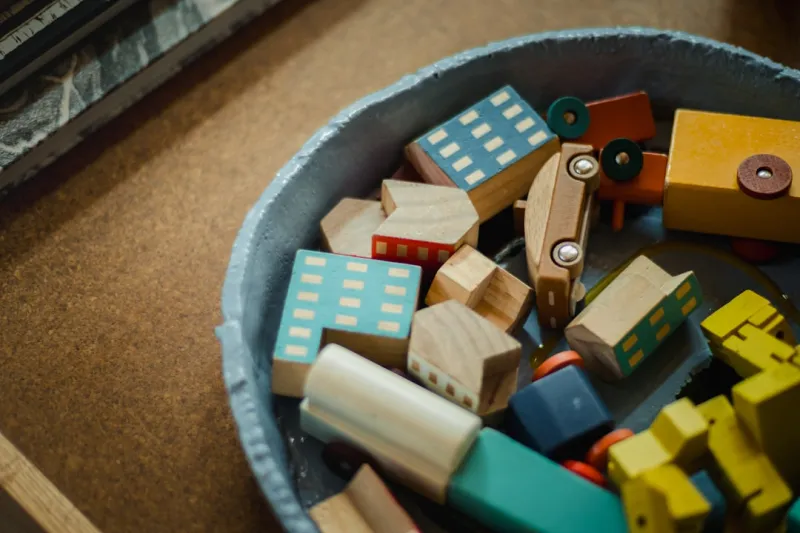
The traditional toy industry has long been criticized for its reliance on non-renewable resources, excessive packaging, and lack of consideration for the environment. However, with the rise of sustainable living, a new generation of eco-friendly toys is emerging. These products are designed with the environment in mind, using materials such as recycled plastic, organic cotton, and sustainably sourced wood. By choosing eco-friendly toys, parents can help reduce waste, support environmentally responsible manufacturing practices, and promote a healthier planet for future generations.
The Benefits of Eco-Friendly Toys
Eco-friendly toys offer a range of benefits for children, parents, and the environment. For kids, sustainable toys can help foster a sense of responsibility and compassion for the planet, encouraging them to develop environmentally conscious habits from a young age. Sustainable parenting is about more than just choosing eco-friendly products; it's about instilling values and behaviors that promote a healthier, more sustainable lifestyle. By choosing eco-friendly toys, parents can help their children develop a deeper appreciation for the natural world and a commitment to protecting it.
The Environmental Impact of Traditional Toys
The traditional toy industry has a significant environmental impact, from the extraction and processing of raw materials to the production and distribution of finished products. Many toys are made from non-renewable resources, such as plastic and synthetic materials, which contribute to greenhouse gas emissions and waste. Furthermore, the packaging and shipping of toys often result in unnecessary waste and carbon emissions. By choosing eco-friendly toys, parents can help reduce their carbon footprint and promote more sustainable manufacturing practices.
Innovative Eco-Friendly Toys and Trends
The eco-friendly toy market is rapidly evolving, with a wide range of innovative products and trends emerging. Some popular eco-friendly toys include:
- Wooden toys made from sustainably sourced materials
- Toys made from recycled plastic and other recycled materials
- Organic cotton and natural fiber toys
- Biodegradable and compostable toys
These products are not only better for the environment, but they also offer a unique and engaging play experience for children. Many eco-friendly toys are designed with educational value in mind, teaching kids about sustainability, conservation, and environmental responsibility.
The Role of Parents in Promoting Sustainable Playtime
Parents play a critical role in promoting sustainable playtime and encouraging environmentally responsible practices. By choosing eco-friendly toys and engaging in sustainable parenting practices, parents can help their children develop a deeper appreciation for the natural world and a commitment to protecting it. Raising a generation of eco-warriors requires more than just teaching kids about sustainability; it requires modeling environmentally responsible behaviors and promoting a culture of sustainability.
The Future of Eco-Friendly Toys
The future of eco-friendly toys is bright, with a growing demand for sustainable products and a increasing awareness of the environmental impact of traditional toys. As manufacturers continue to innovate and develop new eco-friendly products, parents can expect to see a wider range of sustainable toys and play options. By choosing eco-friendly toys and promoting sustainable playtime, parents can help create a healthier, more sustainable future for their children.
Challenges and Opportunities in the Eco-Friendly Toy Industry
While the eco-friendly toy industry has made significant progress in recent years, there are still challenges to overcome. One of the main challenges is the higher cost of eco-friendly toys, which can be a barrier for many parents. However, as demand for sustainable products continues to grow, manufacturers are working to reduce costs and make eco-friendly toys more accessible. Another challenge is the lack of standardization in the eco-friendly toy industry, which can make it difficult for parents to know what to look for. However, by working together, manufacturers, parents, and environmental organizations can promote a more sustainable toy industry and create a healthier future for all.
Conclusion
The evolution of eco-friendly toys is an exciting and rapidly evolving field, with a growing demand for sustainable products and a increasing awareness of the environmental impact of traditional toys. By choosing eco-friendly toys and promoting sustainable playtime, parents can help create a healthier, more sustainable future for their children. As sustainable living becomes increasingly mainstream, the toy industry will continue to adapt and evolve, offering a wider range of eco-friendly products and play options.

Dale Peterson is a freelance writer with a passion for technology, travel, law and personal finance. With 10 years of experience crafting compelling and informative content, he's dedicated to delivering high-quality writing for Blogging Fusion that engages audiences and achieves specific goals.
Related Posts
Playful Futures: How 2024’s Toy Trends Are Shaping the Next Generation
Explore 2024’s breakthrough toy trends—AI playmates, eco‑friendly builds, and inclusive design... Read More

Playful Learning in the Age of AI: Intelligent Toys Transform Childhood
Intelligent toys are merging adaptive AI, human‑centric design, and eco‑friendly materials to cr... Read More
The Power of Play: How Toys Can Shape Our Childhood and Beyond
Toys play a vital role in shaping childhood experiences, from developing essential skills to creatin... Read More
Top Posts

Why Insurance Is the Next Strategic Layer for SaaS Companies
Embedding insurance directly into SaaS offerings shifts it from a cost center to a competitive advantage, enhancing customer trust, reducing churn, and creating...Read More

Staying Ahead of Online Threats: A 2026 Survival Guide
A practical 2026 guide on online safety, covering AI threats, password‑less login, mobile security, and family‑focused digital protection....Read More
The Untapped Power of Narrative Branding in B2B SaaS
Branding for SaaS isn’t just logos and color palettes—it’s a purpose‑driven narrative that turns technical features into human stories, driving trust, a...Read More
How Family Storytelling Turns Everyday Moments Into Lifelong Skills
Learn how to weave short, meaningful stories into daily routines, turning chores and trips into powerful teaching moments that strengthen confidence, empathy, a...Read More
0 Comments
Post Comment
You will need to Login or Register to comment on this post!