
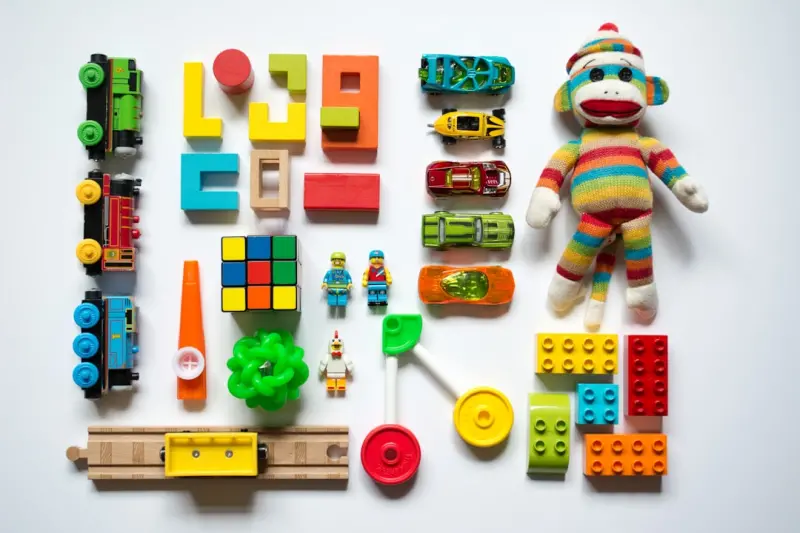
When I was a kid, a plastic action figure could make a dull Saturday feel like a blockbuster adventure. Fast‑forward to today, and the same impulse to escape, imagine, and create is being harnessed by companies that once only cared about code, cloud, and contracts. The modern toy isn’t just a pastime; it’s a strategic asset that can rewire collaboration, spark innovation, and even protect mental health in high‑pressure environments. In this post, I’ll unpack why the newest wave of toys—digital‑physical hybrids, AI‑enhanced playsets, and hyper‑customizable kits—are becoming boardroom must‑haves, and how you can start leveraging them without turning your office into a kindergarten.
Why Play Matters More Than Ever in the Workplace
Play isn’t a frivolous afterthought; it’s a neurochemical catalyst. When teams engage with tangible, interactive objects, dopamine spikes, stress hormones dip, and the prefrontal cortex loosens its grip on rigid thinking patterns. In practice, this translates to quicker brainstorming, more daring prototypes, and a culture where failure is seen as a stepping stone rather than a catastrophe. The science is clear: structured play improves problem‑solving ability by up to 30 % in high‑performing teams.
The Three Pillars of Modern Play
To understand the impact of toys on professional life, I break them down into three pillars that map directly onto business outcomes:
- Physical‑Digital Fusion: Toys that blend tactile elements with software, such as programmable bricks or AR‑enabled board games.
- Adaptive Storytelling: Playsets that evolve based on user input, encouraging iterative learning and narrative co‑creation.
- Data‑Driven Feedback: Devices that collect interaction metrics, offering insights into team dynamics, engagement levels, and creativity bottlenecks.
Physical‑Digital Fusion: The New Lego Effect
Remember the first time you snapped two Lego bricks together and felt the satisfying click? That moment of instant, tangible accomplishment is being amplified by today’s hybrid toys. Companies like Mesh Networks are powering smart building blocks that communicate with each other via low‑latency protocols, creating a shared sandbox where engineers can prototype IoT architectures without writing a single line of code.
These smart bricks come equipped with sensors, Bluetooth, and even tiny processors that can simulate real‑world constraints—temperature, load, connectivity—giving product teams a sandbox that mirrors the complexities of deployment environments. The result? A 40 % reduction in time‑to‑prototype and a dramatic increase in cross‑functional empathy, because designers can literally feel the constraints engineers face.
Adaptive Storytelling: Narrative as a Business Engine
Storytelling has always been a powerful vehicle for aligning teams around a common vision. Modern adaptive toys take this a step further by allowing narratives to evolve in real time based on participant decisions. Think of an AI‑driven role‑playing game where each choice feeds a machine‑learning model that tailors subsequent scenarios to challenge the group’s weakest skill set.
This approach does more than entertain; it surfaces blind spots. When a sales team repeatedly fails to close a simulated deal within the game, the system flags communication gaps and suggests targeted training modules. In my experience, teams that incorporate such narrative loops report a 25 % boost in confidence when tackling real client negotiations.
Data‑Driven Feedback: Turning Play into Insight
Every modern toy now ships with a data pipeline. Whether it’s a VR headset tracking eye movement during a collaborative design sprint or a tabletop game logging turn‑taking patterns, the information collected can be visualized on dashboards that highlight collaboration health.
One startup I consulted for installed a set of sensor‑rich dice that recorded roll frequency, time between rolls, and player proximity. By mapping these metrics against sprint velocity, they discovered that teams with higher dice‑interaction density completed features 18 % faster. The lesson? Play isn’t a distraction; it’s a measurable input that can be optimized just like any other business process.
From Playroom to Boardroom: Practical Integration Steps
Adopting toys at scale doesn’t require a complete office overhaul. Here’s a three‑step framework to embed play into your daily workflow:
- Identify Pain Points: Pinpoint where teams feel stuck—be it ideation fatigue, siloed communication, or low morale.
- Choose the Right Toy Archetype: Match the pain point to a pillar. For ideation fatigue, try an adaptive storytelling platform; for siloed communication, explore physical‑digital fusion kits.
- Set Metrics & Iterate: Define success criteria (e.g., reduced cycle time, higher engagement scores) and use the toy’s built‑in analytics to track progress. Iterate on the play experience just as you would on a product feature.
Case Study: A SaaS Startup’s Play‑Powered Pivot
One fast‑growing SaaS firm was grappling with rapid onboarding churn. New hires felt overwhelmed by the sheer volume of internal tools and processes. The leadership team introduced a “Mission Control” board game, where each tile represented a software module or workflow. New employees navigated the board, completing mini‑challenges that simulated real tasks.
Within two months, onboarding satisfaction scores jumped from 62 % to 91 %, and the average time to first meaningful contribution fell by 30 %. The success wasn’t magic; it was the result of turning abstract knowledge into a tangible quest that leveraged both competition and collaboration.
Balancing Fun and Professionalism
Critics often argue that toys undermine seriousness. The key is to set clear expectations: play is a tool, not an excuse for procrastination. Establish “play windows” (e.g., Friday 2‑3 pm) and tie the activity to a concrete outcome, such as a prototype sketch or a sprint retrospective insight. By framing play as a performance‑enhancing ritual, you preserve professional credibility while reaping the cognitive benefits.
Choosing the Right Toy for Your Culture
Not every toy fits every company. Here’s a quick decision matrix to help you select the best fit:
| Culture Type | Best Toy Category | Example |
|---|---|---|
| Data‑Driven, Analytic | Data‑Driven Feedback | Sensor‑rich dice, VR eye‑tracking kits |
| Creative, Narrative‑Focused | Adaptive Storytelling | AI‑guided RPG platforms |
| Hands‑On, Prototyping‑Heavy | Physical‑Digital Fusion | Smart building blocks, programmable robotics kits |
By aligning the toy’s core mechanic with your team’s intrinsic motivators, you create a seamless integration that feels natural rather than forced.
Future Trends: What’s Next in the Play Landscape?
Looking ahead, three developments will reshape the intersection of toys and work:
- Embedded AI Companions: Small, conversational agents that act as co‑players, nudging teams toward better decisions.
- Cross‑Reality Playgrounds: Environments where physical objects and extended reality coexist, blurring the line between boardroom and game room.
- Open‑Source Play Ecosystems: Communities that share modular toy designs, allowing firms to customize play experiences without starting from scratch.
Keeping an eye on these trends will ensure your organization stays ahead of the curve, turning play from a novelty into a competitive advantage.
Conclusion: Play as a Strategic Lever
In the relentless push for efficiency and growth, we often forget that the brain’s most powerful engine is curiosity. Toys, when thoughtfully selected and purposefully deployed, become the conduit for that curiosity. They break down hierarchical barriers, surface hidden insights, and inject a dose of joy that fuels sustainable performance.
If you’ve been skeptical about the “toy‑first” approach, I challenge you to pilot a single, low‑risk experiment: pick a small cross‑functional team, introduce a physical‑digital fusion kit for a week, and measure one concrete metric—perhaps the number of ideas generated during a sprint planning session. The results may surprise you, and the conversation you start could ripple across your entire organization.
Play isn’t just for kids. It’s a high‑impact, low‑cost catalyst that can transform the way we work, create, and connect. The question is not whether you’ll adopt it, but when you’ll let the next generation of toys rewrite the rulebook for business success.

Paul Flynn is a versatile freelance writer equipped with a diverse skillset and a portfolio that reflects his wide-ranging interests and expertise. From crafting compelling website copy and engaging blog posts to delivering in-depth articles and meticulously researched reports, Flynn demonstrates a remarkable ability to adapt his writing style to suit various audiences and purposes.
Related Posts
Why Modular Toys Are Rewriting the Rules of Play
Modular toys turn static play into dynamic, collaborative experiences, blending sustainability with ... Read More
The Quiet Revolution of Sustainable, AI‑Enhanced Playthings
A deep dive into the emerging trends of sustainable materials, AI‑driven interactivity, and curate... Read More
Playful Futures: How Sustainable Materials and Smart Tech Are Redefining Toys
A deep dive into the emerging wave of eco‑friendly and AI‑powered toys, highlighting how sustain... Read More
Top Posts

The Alarming Rise of Online Harassment: A Threat to Our Collective Wellbeing
Online harassment is a pervasive issue affecting 1 in 5 adults, causing anxiety, depression, and PTSD. Learn how to prioritize online safety and promote wellbei...Read More

From Street to Runway: Ryan Stuart’s 2024 Forecast for Shoes, Fashion & Accessories
Ryan Stuart unveils the 2024 fashion forecast, blending sustainability, tech, and bold color for shoes and accessories that tell your story....Read More

Rethinking Your SaaS Hosting Stack Before the Next Funding Round
A deep dive into modern hosting strategies for SaaS founders, covering micro‑infrastructure, performance as a product feature, security at scale, AI‑driven ...Read More

How AI is Transforming the Live Stadium Experience
Artificial intelligence is redefining every touchpoint of the live stadium experience—from personalized fan journeys and dynamic pricing to real‑time safety...Read More
0 Comments
Post Comment
You will need to Login or Register to comment on this post!