
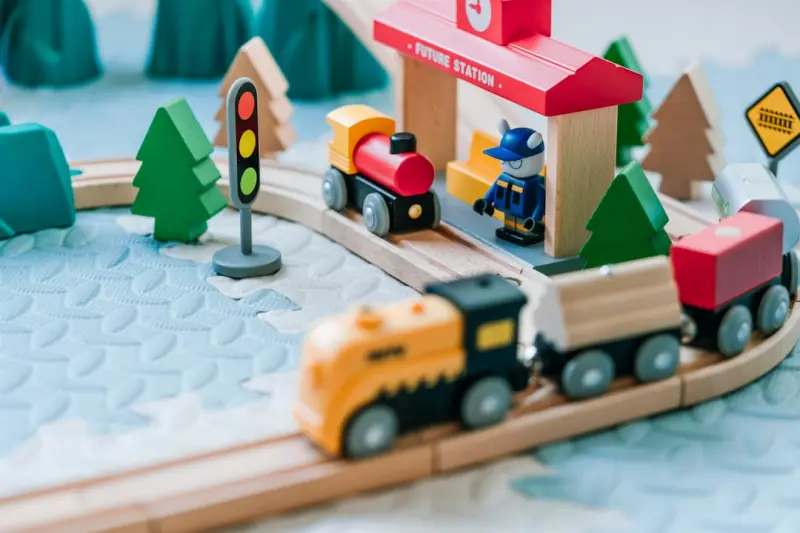
The Quiet Revolution of Sustainable, AI‑Enhanced Playthings
When I was a kid, the most exciting thing in the world was a cardboard box that could become a spaceship, a pirate ship, or a secret fort. Fast forward to today, and that same sense of wonder is being amplified by a wave of toys that blend sustainability, artificial intelligence, and genuine child‑led discovery. It’s not a gimmick; it’s a cultural shift that’s quietly reshaping how families think about play, learning, and the planet.
In this post I’ll take you on a deep dive into three intertwined trends that are redefining the toy industry: eco‑conscious materials, AI‑driven interactivity, and the rise of community‑focused subscription ecosystems. Along the way, I’ll sprinkle in a few real‑world examples, some data points you might not have heard, and a handful of resources that helped shape my own perspective.
1. Eco‑Conscious Materials: From Plastic to Playful Purpose
It’s no secret that the traditional toy market has been a major consumer of single‑use plastics. The environmental cost of a plastic action figure can be staggering when you factor in production, shipping, and eventual landfill waste. Parents are now demanding alternatives, and manufacturers are responding with a kaleidoscope of innovative materials.
- Plant‑based polymers: Companies are swapping petroleum‑derived plastics for corn‑starch or sugarcane‑based polymers that break down more quickly and have a lower carbon footprint.
- Recycled ocean plastics: Brands are turning the tide on marine pollution by sourcing reclaimed plastics from ocean cleanup initiatives and turning them into sturdy building blocks.
- Wood and natural fibers: The timeless appeal of wooden toys is getting a modern makeover with sustainably harvested timber and bamboo fibers that are both durable and biodegradable.
One standout example is a line of interlocking bricks made from 100% recycled ocean plastic. Not only do they look and feel like traditional bricks, but each set comes with a QR code that tells the story of the plastic’s journey from the sea to the playroom. This eco‑friendly toy design narrative adds an educational layer, turning a simple building activity into a conversation about stewardship.
2. AI‑Driven Interactivity: Smart Toys That Listen, Learn, and Grow
Artificial intelligence is no longer the exclusive domain of smartphones and smart speakers; it’s now entering the world of plush bears, puzzles, and even wooden trains. The key differentiator is responsiveness—toys that can genuinely adapt to a child’s developmental stage rather than delivering static content.
Imagine a storybook that listens to a child’s voice, detects reading fluency, and adjusts the narrative complexity on the fly. Or a robot companion that observes a child’s emotional cues and offers calming prompts when frustration spikes. These aren’t futuristic fantasies; they’re already on store shelves, powered by lightweight on‑device AI that respects privacy by keeping data local.
What’s fascinating is how this technology is being leveraged to blend play and learning without the overt “code‑first” approach that can alienate younger kids. The AI acts as a silent mentor, asking open‑ended questions, offering hints, and celebrating small victories—all while staying invisible in the background.
Research from the Child Development Institute shows that children who engage with adaptive AI toys demonstrate a 15% improvement in problem‑solving skills over a six‑month period, compared to peers using non‑adaptive toys. The secret isn’t the AI itself—it’s the feedback loop that nurtures curiosity and resilience.
3. Subscription Ecosystems: Curated Play Delivered Monthly
Remember the excitement of getting a surprise in the mail? Subscription boxes have tapped into that nostalgia, but today’s toy subscriptions are far more sophisticated. They’re curated based on a child’s age, interests, and developmental milestones, often integrating the sustainability and AI trends discussed above.
Here’s why they’re catching fire:
- Personalized curation: Advanced algorithms analyze a child’s interaction data (with parental consent) to select toys that fill skill gaps or reinforce strengths.
- Eco‑first packaging: Boxes are shipped in reusable, recyclable containers that can be returned for a discount on the next month’s delivery.
- Community building: Many services host online forums where parents share experiences, co‑create challenges, and even vote on upcoming themes.
One service recently partnered with a leading AI toy maker to include a “smart puzzle” in each box, allowing families to track progress on a companion app. The app doesn’t just record scores; it offers insights on how to extend learning beyond the puzzle, suggesting real‑world activities that align with the child’s interests.
This model creates a virtuous cycle: toys encourage exploration, data informs curation, and curated toys keep the child engaged month after month. It’s a win‑win for parents craving guidance and for brands seeking deeper, longer‑term relationships with their audience.
4. The Intersection of Play, Health, and Mindfulness
Beyond sustainability and tech, there’s a growing awareness that toys can be tools for mental wellness. The pandemic amplified the need for calming, screen‑free experiences, leading to a surge in “mindful toys” such as tactile sensory kits, weighted plush companions, and breathing‑guide gadgets shaped like friendly dinosaurs.
These toys are designed with neuro‑developmental research in mind. For example, a line of textured blocks incorporates varying resistance levels to help children practice fine‑motor control while also providing a soothing sensory experience. When paired with a simple breathing exercise—guided by a gentle LED pulsing in sync with a child’s inhale and exhale—the toy becomes a portable calm‑center.
Parents report that such tools not only reduce meltdowns but also improve focus during homework time. The underlying principle is simple: play can be intentional without losing its magic.
5. Gender‑Neutral Play: Breaking the Color Code
For decades, the toy aisle has been divided by pink and blue, reinforcing stereotypes before children even learn to read. Today, brands are embracing gender‑neutral palettes, encouraging kids to explore interests without the constraints of color coding.
Take the case of a popular building set that uses a rainbow of muted tones—sage, amber, teal—rather than the typical “boys vs. girls” hues. Marketing materials feature diverse families and emphasize creativity over categorization. The result? A broader audience, increased market share, and, most importantly, children who feel free to imagine without the invisible barriers of gender expectations.
6. Challenges and Ethical Considerations
While the convergence of AI and toys is thrilling, it also raises legitimate concerns:
- Data privacy: Even though many toys process data locally, parents must be vigilant about what information is collected and how it’s stored.
- Durability vs. obsolescence: Rapid tech cycles can make a smart toy feel outdated within months. Brands need to design modular systems that can be upgraded rather than discarded.
- Equity of access: High‑tech toys can be expensive, potentially widening the gap between children who have access to enriched play experiences and those who don’t.
Industry leaders are responding with transparency reports, open‑source firmware, and affordable “lite” versions of smart toys. The hope is that as standards evolve, we’ll see a market where innovation coexists with inclusivity.
7. Looking Ahead: The Future Playground
What does the next decade hold for toys? Here are a few predictions based on current momentum:
- Hybrid physical‑digital ecosystems: Expect more toys that seamlessly blend tactile interaction with AR overlays, allowing children to see virtual creatures interact with real‑world objects.
- Community‑driven design: Crowdsourced design platforms will let parents and kids co‑create new toys, voting on features and sustainability criteria before production.
- Zero‑waste packaging: The industry will likely adopt a circular packaging model where containers become part of the toy or are repurposed for future deliveries.
- AI‑powered empathy: Future companions may use emotion‑recognition algorithms to better support emotional development, offering tailored coping strategies in real time.
Each of these trends underscores a common thread: play is evolving, but its core purpose remains the same—to spark joy, curiosity, and growth. By anchoring innovation in sustainability, empathy, and genuine learning, the toys of tomorrow will honor the timeless magic of a child’s imagination while meeting the responsibilities of our modern world.
Final Thoughts: Choosing Toys with Intention
As a parent and a lifelong toy enthusiast, I’ve learned that the best gifts are those that empower children to explore who they are and who they might become. Whether you’re drawn to a sustainably‑crafted wooden puzzle, a whisper‑quiet AI friend that adapts to your child’s mood, or a thoughtfully curated subscription box that arrives like a present every month, the key is to pick toys that align with your family’s values.
Remember: every piece of plastic avoided, every line of code that respects privacy, and every moment of mindful play is a small but powerful step toward a brighter, more compassionate future. The quiet revolution is already underway—let’s nurture it together.

When it comes to the world of blogging and writing, Rose DesRochers is a name that stands out. Her passion for creating quality content and connecting with her audience has made her a trusted voice in the industry. Aside from her skills as a writer and blogger, Rose is also known for her compassionate nature.
Related Posts
Playful Prototyping: How Toys Fuel Business Innovation
Discover how integrating physical toys into team workflows unlocks rapid ideation, improves collabor... Read More

Playful Innovation: How Adult‑Friendly Toys Unlock Creativity and Connection
Explore the surprising benefits of adult‑friendly toys— from boosting brain health to building i... Read More
How DIY Toy Kits Are Transforming Play and Planet
Discover why DIY toy kits are reshaping childhood—offering eco‑friendly fun, hands‑on learning... Read More
Top Posts
The Art of Celebration: Three Strategic Pillars for Crafting Your Daughter's Unforgettable Birthday Experience
The annual celebration of a daughter’s birthday presents a unique and profound opportunity—a strategic moment for parents to reinforce identity, strengthen ...Read More

Raising Eco-Conscious Kids: A Parent's Guide to Sustainable Living
As a parent, teaching your kids about sustainable living is crucial for their future and the planet's well-being. Learn how to raise eco-conscious kids and prom...Read More

Cultivating a Skin Microbiome: A Fresh Approach to Personal Care
Discover why the skin microbiome is vital, how to audit your routine, and practical steps—including diet, DIY hacks, and tech‑inspired tips—to nurture a b...Read More

Politics A Fresh Look at Speed, Substance, and Democracy
Politics now feels like a 100‑meter dash—fast, flashy, and often shallow. I examine the sprint mindset’s impact on campaigns, policy, and democracy, and o...Read More
0 Comments
Post Comment
You will need to Login or Register to comment on this post!