

The Subscription Toy Box Boom: Curating Wonder in a Fast‑Paced World
Imagine opening a neatly packed box each month and finding a fresh, hand‑picked toy that feels like it was chosen just for your child’s curiosity. That’s the promise of today’s subscription toy services, and it’s reshaping how families think about play, learning, and even budgeting. While the concept isn’t brand new, the execution has evolved dramatically—thanks to data‑driven curation, sustainability commitments, and a deeper understanding of developmental milestones.
Why Traditional Toy Shopping Is Losing Its Luster
Walking through aisles of mass‑produced plastic figures can feel overwhelming. Parents are bombarded with glittering packaging, aggressive marketing, and a never‑ending parade of “must‑have” items that often end up gathering dust. The result? A growing disconnect between what children actually engage with and what ends up on the shelves. In addition, the environmental toll of fast‑fashion toys—excess packaging, single‑use plastics, and short product lifespans—has become a concern for many conscientious families.
Data‑Guided Curation: Matching Toys to Developmental Stages
Modern subscription services don’t rely on guesswork. By collecting anonymized data about a child’s age, interests, and even feedback from previous boxes, they can recommend toys that align with specific developmental goals. For instance, a three‑year‑old who shows a fascination with building might receive a magnetic tile set one month and a simple wooden puzzle the next, each chosen to reinforce spatial reasoning, fine motor skills, and problem‑solving.
Blending Physical and Digital Play
One of the most exciting trends is the seamless integration of physical toys with digital experiences. A cardboard adventure kit might come with a QR code that unlocks an interactive story on a tablet, allowing kids to extend the narrative beyond the tangible pieces. This hybrid approach respects the tactile benefits of hands‑on play while leveraging the engaging power of technology—without drowning children in screen time.
Sustainability at the Core
Eco‑friendly parents are demanding more responsible options, and subscription services are stepping up. Many now source toys from manufacturers that use recycled materials, biodegradable packaging, or even upcycled components. Some boxes even include a “return‑to‑recycle” envelope, encouraging families to send back worn‑out items for proper processing, thereby closing the loop on waste.
Building Community Through Shared Discovery
Subscription boxes often foster an online community where parents exchange tips, showcase creations, and discuss developmental milestones. These forums become a valuable resource, turning a solitary purchasing decision into a collaborative learning journey. The sense of belonging can be especially reassuring for first‑time parents seeking guidance.
Cost Predictability and Value Perception
Instead of sporadic, impulsive purchases that can quickly add up, families enjoy a predictable monthly fee that often includes toys worth several times the subscription price. The perceived value rises when the box includes exclusive or limited‑edition items that aren’t readily available in stores. Over time, this model can actually reduce overall spending while delivering higher‑quality experiences.
Tailoring Themes to Cultural Moments
Smart curators stay attuned to cultural moments—whether it’s a popular animated series, a seasonal holiday, or an emerging educational trend. By aligning each box with a timely theme, they keep the experience fresh and relevant, ensuring that children stay excited about what’s coming next.
Case Study: Turning Play Into a Learning Journey
Take the example of a subscription service that partnered with early‑childhood educators to design a “Science Explorer” series. Over six months, subscribers received a progression of experiments: starting with simple magnetic forces, moving to basic circuitry, and culminating in a DIY weather station. Each box included a printable activity guide, a short video demonstration, and a reflection worksheet for parents to track observations. The result? Children developed a sustained interest in STEM concepts, and parents reported measurable gains in curiosity and confidence.
How to Choose the Right Subscription for Your Family
- Assess Your Child’s Interests: Look for services that allow you to customize based on preferences—whether it’s art, engineering, nature, or storytelling.
- Check Sustainability Credentials: Verify that the company discloses material sources, packaging practices, and recycling options.
- Review Community Engagement: Active forums or social media groups can enhance the overall experience.
- Understand the Return Policy: Flexible return or exchange policies ensure you’re not stuck with unsuitable items.
Creating a Play‑Friendly Space at Home
While the toys themselves are a centerpiece, the environment in which they’re used matters just as much. A clutter‑free, well‑lit corner can become a dedicated “innovation station.” Pairing a calming play environment with thoughtfully chosen toys maximizes focus and creativity, turning everyday moments into opportunities for exploration.
The Future: AI‑Powered Personalization Without the Intrusiveness
Looking ahead, we can expect AI to fine‑tune recommendations even further—analyzing patterns of play, duration, and engagement to suggest the next best box. Importantly, the industry is moving toward privacy‑first models that keep data anonymous and secure, ensuring families benefit from personalization without sacrificing trust.
Conclusion: A New Chapter in the Story of Play
The subscription toy box phenomenon is more than a clever marketing gimmick; it’s a response to modern parents’ desire for meaningful, sustainable, and developmentally appropriate play. By marrying data‑driven curation, environmental stewardship, and a community‑centric approach, these services are redefining how children discover the world—one box at a time.
Want to Dive Deeper?
If you’re curious about how technology is reshaping other aspects of daily life, check out our piece on building strategic relationships through modern tactics. For more ideas on creating purposeful environments, explore how to enhance user experiences at critical touchpoints. These reads complement the subscription toy conversation by highlighting the broader shift toward intentional, data‑informed design.

In the world of freelance writing, where creativity and adaptability are paramount, Michelle Fisher stands out as a dedicated and versatile professional. With a passion for crafting compelling narratives and a keen eye for detail, Michelle has established herself as a trusted voice.
Related Posts

Why Tangible Toys Still Matter in a Screen‑Obsessed World
A deep dive into why hands‑on toys remain essential for mental health, productivity, and cultural ... Read More

Playful Innovation: How Adult‑Friendly Toys Unlock Creativity and Connection
Explore the surprising benefits of adult‑friendly toys— from boosting brain health to building i... Read More
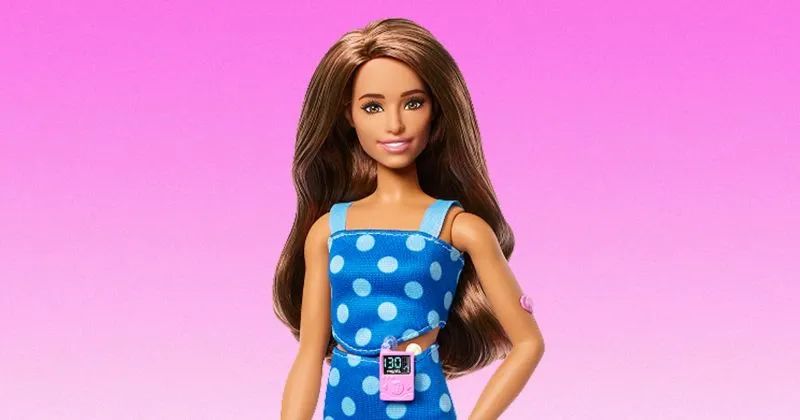
Mattel Unveils First Barbie with Type 1 Diabetes: A New Era of Inclusivity
Mattel, the world-renowned toy manufacturer, has recently made headlines with the introduction of it... Read More
Top Posts

From Raw Clicks to Revenue Forecasts: Leveraging GA4 for Smarter B2B Decisions
A step‑by‑step guide shows how to clean event taxonomy, merge GA4 with your CRM, build predictive models, and create real‑time dashboards that turn raw cl...Read More
The Secret Sauce for Modern Web Development
Adopt the mindset to accelerate web development, balancing speed, performance, and accessibility for faster, user‑friendly sites that keep visitors engaged an...Read More
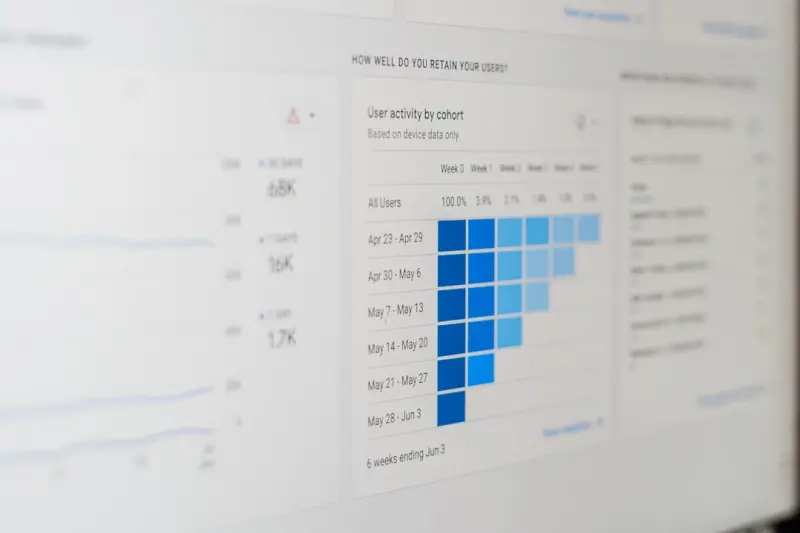
Data‑Driven Storytelling: Turning SaaS Metrics into Magnetic Marketing
In this post, Tyler Johnson shows B2B SaaS marketers how to harvest product and customer data, craft human‑centric stories, and distribute them across the rig...Read More

Responsible Gun Ownership in Texas
Texas, a state deeply rooted in its history and traditions, holds a strong affinity for firearms. The right to keep and bear arms is enshrined in both the U.S. ...Read More
0 Comments
Post Comment
You will need to Login or Register to comment on this post!