

The Unexpected Joy of Rediscovering Toys as an Adult
When I first dusted off a wooden puzzle I kept from my childhood, the experience felt less like nostalgia and more like a sudden reconnection with a part of myself I had unintentionally sidelined while chasing professional milestones, and I realized that the simple act of assembling those interlocking pieces sparked a cascade of curiosity that rippled through my day‑to‑day routine; this revelation nudged me to explore how adult‑friendly toys can act as catalysts for mental rejuvenation, and I began to see play not merely as a pastime for children but as a strategic tool for creative problem‑solving and emotional balance, especially in a world that constantly rewards relentless productivity. Playful exploration can recalibrate our internal compass, allowing us to step back from the noise and re‑engage with the innate desire to experiment, imagine, and iterate without the pressure of outcomes. In the weeks that followed, I curated a small collection of tactile, open‑ended toys that promised more than fleeting amusement—they promised a disciplined yet liberating practice of mindful curiosity.
Neuroscience Behind Playful Engagement
Recent studies in cognitive science suggest that the brain releases dopamine and endorphins during unstructured play, a biochemical cocktail that not only enhances mood but also fortifies neural pathways associated with divergent thinking, and while I’m not a neuroscientist, observing my own heightened sense of flow after a session with a magnetic construction set convinced me that these moments of “just playing” serve as micro‑workouts for the mind, sharpening the ability to synthesize disparate ideas when faced with complex challenges at work; this aligns with the growing body of evidence indicating that regular, intentional play can improve memory retention, reduce stress hormones, and even bolster immune function, making it a surprisingly potent wellness strategy. Moreover, the tactile feedback from manipulating physical components stimulates fine motor skills and proprioceptive awareness, which are often neglected in our screen‑centric lifestyles, and by deliberately integrating such sensory‑rich experiences into my weekly schedule, I’ve observed a measurable uptick in both focus and creative output, proving that the brain thrives on the balanced stimulation that thoughtfully designed toys provide.
Design Trends That Respect the Planet and the Player
One of the most exciting shifts in the toy industry is the move toward sustainable materials and modular designs that invite endless reconfiguration, and I was delighted to discover a line of biodegradable polymer blocks that feel just as sturdy as their plastic counterparts while decomposing harmlessly after years of use, thereby reducing landfill waste and encouraging a circular mindset among consumers; this approach not only satisfies environmental responsibility but also empowers users to view each piece as a reusable resource rather than a disposable novelty, fostering a deeper appreciation for longevity and craftsmanship. In addition, many contemporary makers are embracing open‑source principles, offering downloadable templates for 3D‑printed accessories that can be customized to match personal aesthetics or functional needs, effectively turning a single toy into a platform for endless innovation—a concept that resonates with my own love for iterative design and aligns perfectly with the ethos of responsible creation.
The Power of Tactile Feedback and Material Exploration
When we consider the sensory dimension of play, the texture of a material can dramatically influence engagement levels, and I’ve found that the subtle resistance of silicone‑coated gears or the comforting click of wooden interlocks can anchor attention in a way that glossy, mass‑produced plastics often fail to achieve; these tactile cues serve as silent mentors, guiding the user’s hands and mind toward deliberate, purposeful movements that reinforce spatial reasoning and hand‑eye coordination. By curating a mix of smooth, matte, and textured components, I’ve been able to craft a personal play environment that continuously challenges my perception, prompting me to anticipate how each surface will respond under varying pressure, and this ongoing dialogue between material and user creates a feedback loop that sharpens both intuition and technical skill.
Inclusive Play: Breaking Gender Norms and Expanding Imagination
Traditional toy marketing has long segmented products along gendered lines, but a growing wave of designers is deliberately blurring those boundaries, and I’ve been particularly drawn to kits that celebrate universality by offering neutral color palettes, ambiguous character designs, and story‑building prompts that encourage participants of any background to project their own narratives onto the pieces; this shift not only democratizes access to creative tools but also cultivates empathy, as users are invited to step outside prescribed roles and explore identities through imaginative play. By integrating these inclusive sets into my personal collection, I’ve observed a richer tapestry of ideas emerging during brainstorming sessions, where the absence of limiting stereotypes unlocks a more authentic expression of individual perspectives, ultimately leading to solutions that feel both innovative and culturally resonant.
DIY Culture Meets Modern Toy Design
The resurgence of the maker movement has reignited interest in do‑it‑yourself projects, and I’ve found that pairing a simple electronics kit with a set of modular building blocks can transform a basic toy into a programmable, interactive experience that teaches coding fundamentals while satisfying the innate desire to construct something tangible; this hybrid approach not only demystifies technology for beginners but also reinforces the principle that learning can be hands‑on, playful, and deeply rewarding. For those eager to dive deeper, I recommend exploring resources like modular robotics and sustainable alloys, which provide a wealth of inspiration for integrating cutting‑edge materials into custom creations, ensuring that each project remains both forward‑thinking and environmentally conscious.
Bridging the Physical and Digital Realms
Hybrid toys that blend tangible components with augmented reality (AR) overlays are redefining the boundaries of play, and I was intrigued by a recent tabletop game that uses a smartphone app to project dynamic environments onto a static board, allowing pieces to interact with virtual elements in real time; this convergence of physical and digital invites users to navigate layered realities, sharpening problem‑solving abilities while maintaining the kinesthetic satisfaction of moving real objects, a balance that many pure‑digital experiences struggle to achieve. By experimenting with these blended formats, I’ve uncovered new pathways for collaborative storytelling, where participants can seamlessly switch between hand‑crafted artifacts and immersive visual narratives, thereby enriching the depth and replayability of each session.
Community Building Through Shared Play
One of the most profound benefits of incorporating thoughtful toys into adult life is the way they naturally foster connection, and I’ve experienced this firsthand during monthly gatherings where friends bring their favorite open‑ended sets to co‑create sprawling installations, each contribution sparking conversation, laughter, and a shared sense of accomplishment that transcends the typical small talk of networking events; these sessions become incubators for ideas, as the collaborative atmosphere encourages participants to voice unconventional thoughts without fear of judgment, ultimately leading to breakthroughs that might never emerge in a traditional meeting room. For anyone interested in expanding this communal spirit, checking out resources like the hidden forces shaping today’s shopping experience can offer insights into how curated environments influence group dynamics, helping you design gatherings that are both enjoyable and intellectually stimulating.
Looking Forward: Play as a Lifelong Strategy
As I reflect on the transformative power of intentional play, I’m convinced that integrating well‑designed toys into our adult lives isn’t a fleeting trend but a sustainable practice that nurtures curiosity, resilience, and creative confidence, and by embracing tools that challenge our minds, engage our senses, and invite collaboration, we equip ourselves with a versatile arsenal for navigating an ever‑changing world; the next step is simple—choose a toy that resonates with your personal interests, set aside dedicated time each week to explore it without agenda, and observe how those moments of pure, purposeful play begin to ripple through your professional projects, relationships, and overall sense of well‑being. In doing so, we honor the timeless truth that play isn’t just for children; it’s a vital, regenerative force for anyone eager to live fully and think boldly.

Sanji Patel is a Staff Writer at Blogging Fusion and a globally recognized SEO consultant with 25 years of industry experience. He specializes in delivering comprehensive technical and editorial SEO services to news publishers worldwide. Sanji frequently shares his insights as a speaker at international conferences and delivers annual guest lectures at local universities.
Professional Profile
- Current Role: Staff Writer at Blogging Fusion.
- Core Expertise: Technical and editorial SEO strategy.
- Target Audience: Global news publishers and digital media outlets.
- Industry Experience: 25 years of dedicated SEO consultancy.
- Public Engagement: International conference speaker and university guest lecturer.
Related Posts
When Toys Get Smart: How AI Is Reimagining Playtime
AI-powered toys are reshaping childhood by offering personalized, interactive experiences. Discover ... Read More
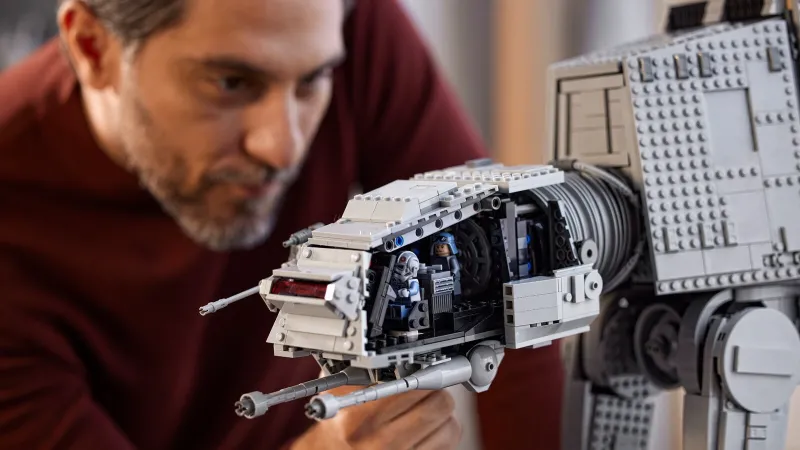
The Best Lego Kits like Star Wars, Disney and More
Discover the best Lego kits for every type of builder. Whether you love Lego Star Wars, Disney, or o... Read More
Playful Prototyping: How Toys Fuel Business Innovation
Discover how integrating physical toys into team workflows unlocks rapid ideation, improves collabor... Read More
Top Posts

Reimagining Your PC: From Modular Laptops to Sustainable Desktop Power
Explore a fresh angle on PC upgrades—modular laptops, sustainable desktops, and hybrid workstations that grow with you, without the waste....Read More

The AI Revolution: Beyond the Hype, Into Reality
AI is reshaping our world, moving beyond hype into tangible reality. This article delves into generative AI, its enterprise impact, ethical challenges, and the ...Read More
Blogging Beyond the Blog: Turning Posts into a Living Community
Discover practical steps to shift your B2B blog from a one‑way broadcast to an engaging community hub, using micro‑blogging, feedback loops, and smart autom...Read More

The Hidden Power of Ambient Soundscapes for Mental Resilience
Discover why ambient soundscapes are becoming a vital tool for mental resilience, how to create your own, and the role of secure, empathy‑driven tech in enhan...Read More
0 Comments
Post Comment
You will need to Login or Register to comment on this post!