

When I was a kid, my imagination ran wild with a simple plastic dinosaur and a cardboard box. Today, the same spark can be ignited by a plush robot that talks back, a puzzle that adapts to your child’s skill level, or a subscription box that delivers a fresh wave of curiosity each month. As a lifelong toy enthusiast and a parent, I’ve watched the industry pivot from static, one‑size‑fits‑all playthings to dynamic, AI‑enhanced companions that learn, respond, and grow alongside us. In this post, I’ll dive deep into the emerging world of smart toys, explore why they matter, and offer practical tips for navigating this brave new playground.
The Evolution from Plastic to Perception
For decades, toys were defined by their material—hard‑plastic, plush, wood—and their function—roll, spin, build. The real revolution began when manufacturers started embedding sensors, microphones, and tiny processors into everyday play objects. The result? Toys that can hear you, see you, and even predict what you’ll want to do next.
What does this mean for kids? It means a shift from passive interaction to an active dialogue. A doll that can recognize a child’s name, a building set that suggests new structures based on the pieces you’ve already assembled, or a board game that adjusts its difficulty in real time—these are not just gimmicks; they’re tools for fostering creativity, problem‑solving, and emotional intelligence.
Why AI‑Powered Toys Are More Than a Trend
Some skeptics dismiss smart toys as fleeting fads, but the technology behind them addresses core developmental needs:
- Personalized Learning: Adaptive algorithms analyze a child’s interactions and tailor challenges to keep them in the “zone of proximal development,” the sweet spot where learning feels both fun and achievable.
- Social‑Emotional Skills: Conversational agents can model empathy, teach conflict resolution, and provide a safe space for children to practice expressing feelings.
- Inclusivity: AI can adjust language, visual cues, and difficulty levels to accommodate diverse abilities, making play more accessible for children with special needs.
In short, smart toys are becoming the next generation of learning companions, blending entertainment with education in a seamless loop.
Key Technologies Powering the New Playthings
Behind every intelligent toy lies a suite of technologies that work together like a well‑orchestrated orchestra. Here are the main players:
- Natural Language Processing (NLP): Enables toys to understand and respond to spoken commands, turning a simple “Let’s play house” into an interactive narrative.
- Computer Vision: Cameras and depth sensors let toys recognize faces, gestures, and even objects in the environment, opening up possibilities for AR‑enhanced play.
- Machine Learning: Continuous data collection allows toys to refine their responses over time, becoming smarter with each play session.
- IoT Connectivity: Cloud‑based updates ensure that a toy’s knowledge base stays current, and parents can manage privacy settings remotely.
These components are increasingly affordable, which is why we’re seeing a surge of smart toys hitting the shelves—from budget-friendly options to premium, brand‑name devices.
Choosing the Right Smart Toy for Your Family
With the market expanding rapidly, it’s easy to feel overwhelmed. Here’s a straightforward framework to help you decide what fits best in your household:
- Age Appropriateness: Look for toys that clearly state the age range and explain how the AI adapts to developmental stages.
- Privacy Controls: Verify that the manufacturer offers transparent data policies, parental dashboards, and the ability to delete recordings.
- Interoperability: Some toys integrate with existing smart home ecosystems (e.g., Alexa, Google Home). Determine if you want a standalone device or one that plugs into a broader network.
- Educational Value: Prioritize toys that align with learning goals—STEM concepts, language development, or social skills.
- Longevity: Consider whether the toy can grow with your child. Products that update their content or expand functionality tend to have longer lifespans.
One great example of a product that checks many of these boxes is the subscription boxes for baby sensory play. While not purely AI‑driven, they blend curated, age‑specific experiences with the convenience of regular delivery, keeping the novelty factor high and giving parents a structured way to introduce new stimuli.
Designing a Smart‑Toy Friendly Space at Home
Integrating technology into play doesn’t mean you have to turn your living room into a lab. A few thoughtful tweaks can create a balanced environment where digital and tactile experiences complement each other:
- Dedicated Charging Stations: Keep cords and chargers organized in a single, accessible spot.
- Screen‑Free Zones: Designate areas for open‑ended play with blocks, art supplies, and traditional toys to prevent over‑reliance on screens.
- Data Safe Zones: Store any devices that collect audio or video data out of reach when not in use, and make sure they’re turned off or muted during family conversations.
- Eco‑Friendly Storage: Use recyclable bins or modular shelves that can grow with your child’s collection, reducing clutter and waste.
Even a simple habit like regularly wiping the sensors of a voice‑responsive toy can extend its life and keep it hygienic for little hands.
Potential Pitfalls and How to Navigate Them
Smart toys bring a host of benefits, but they’re not without challenges. Here are the most common concerns and practical ways to address them:
| Concern | Solution |
|---|---|
| Privacy & Data Security | Read the privacy policy, enable parental controls, and regularly audit what data is being stored. Choose brands that offer on‑device processing whenever possible. |
| Screen Fatigue | Set time limits using built‑in parental controls or external timers. Balance digital play with physical activities. |
| Obsolescence | Opt for toys that receive software updates and have modular accessories that can be swapped out as the child grows. |
| Cost | Consider subscription models that spread the expense over time, or look for community swaps and second‑hand marketplaces for gently used devices. |
Future Trends to Watch
While we’re already seeing impressive innovations, the next wave of AI‑powered toys is poised to be even more transformative:
- Emotion‑Recognition: Emerging models can detect a child’s facial expressions and adjust gameplay to soothe frustration or celebrate excitement.
- Cross‑Device Collaboration: Imagine a puzzle that starts on a tablet, continues on a smart speaker, and finishes with a physical block set—seamlessly blending virtual and real worlds.
- Open‑Source Platforms: Communities are building DIY smart‑toy kits that let parents customize behavior, fostering a maker mindset in families.
- Sustainability Integration: Future designs may incorporate recycled materials with embedded sensors, merging eco‑consciousness with technology.
If you want a glimpse of the sustainability angle, the eco-friendly toy storage solutions article offers practical ideas that can be paired with these forward‑thinking products.
Final Thoughts: Embracing the Playful Potential of AI
Smart toys are more than a novelty; they’re a bridge between the analog joy of childhood and the digital fluency that will define the next generation. By choosing thoughtfully, setting healthy boundaries, and staying informed about privacy, parents can harness AI’s power to enrich play rather than replace it.
As we stand at this exciting crossroads, remember that the heart of any toy—digital or not—remains the same: to spark imagination, foster connection, and turn the ordinary into the extraordinary. So the next time you hear a robot giggle or a plush bear ask, “What adventure shall we embark on today?” know that you’re witnessing the future of play, one joyful interaction at a time.

Armed with a degree in English Literature, Jill’s journey into the digital space wasn't just a career move; it was a natural extension of her lifelong love affair with storytelling. While some writers view search engine optimization (SEO) as a rigid constraint, Jill sees it as a creative puzzle. She understands the delicate art of balancing the algorithmic demands of search engines with the human desire for resonance, emotion, and value. To Jill, keywords aren't just targets to hit; they are the breadcrumbs that lead eager readers straight to the answers they’ve been searching for.
Related Posts
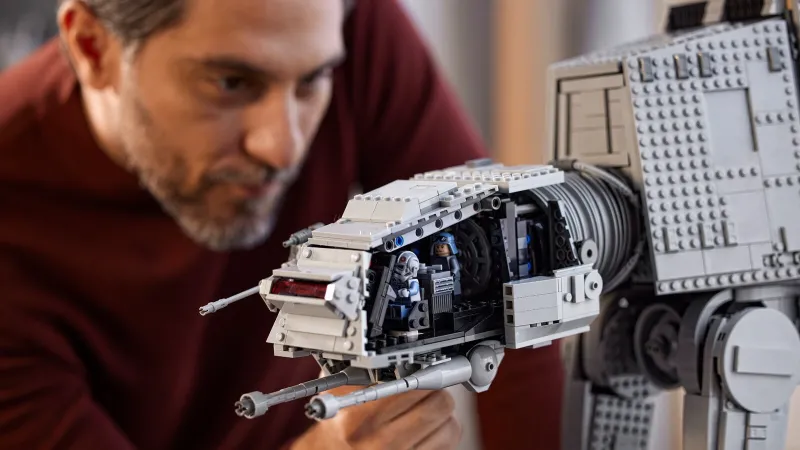
The Best Lego Kits like Star Wars, Disney and More
Discover the best Lego kits for every type of builder. Whether you love Lego Star Wars, Disney, or o... Read More
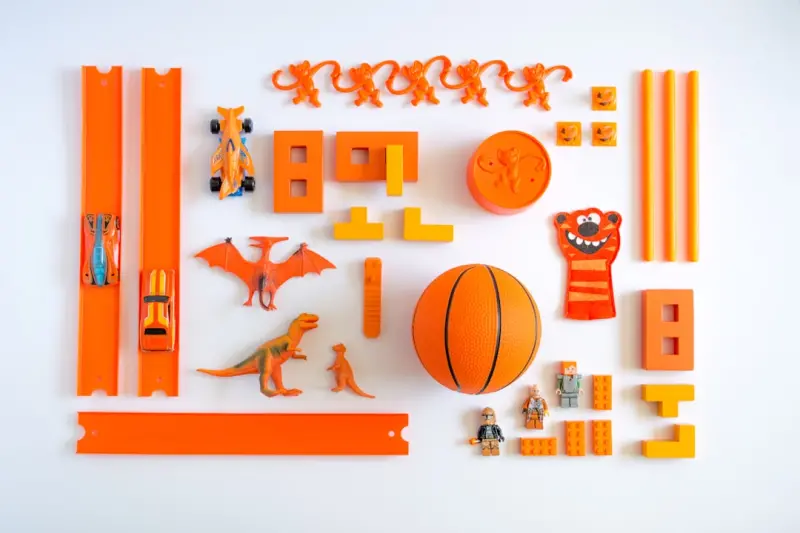
Why Modular Toys Are Rewriting the Rules of Play
Modular toys turn static play into dynamic, collaborative experiences, blending sustainability with ... Read More

The Power of Play: How Toys Can Impact Our Mental Wellbeing
Toys and play can have a profound impact on our mental wellbeing, reducing stress and anxiety, impro... Read More
Top Posts

Five Tips for a Professional Blog
In today's digital landscape, a blog can be a powerful tool for individuals and businesses alike. It's a platform to share expertise, connect with an audience, ...Read More
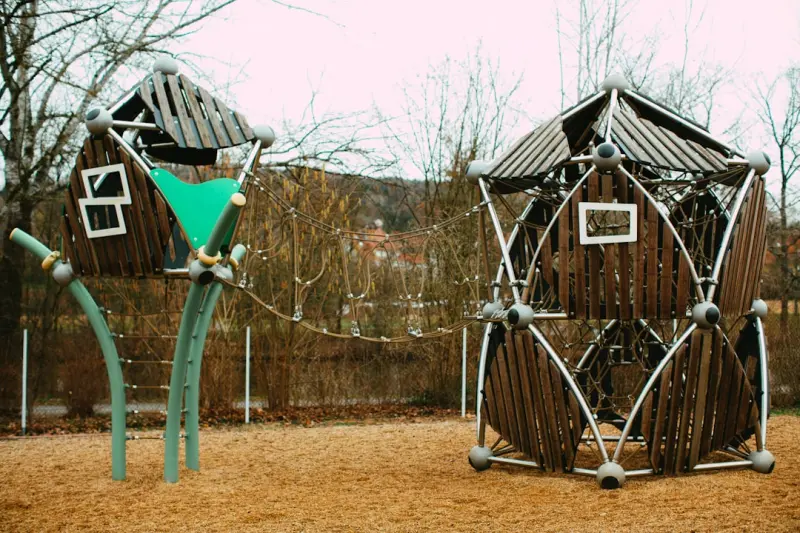
AI‑Powered Playgrounds: The Future of Kids’ Creativity
AI‑powered digital playgrounds are transforming the way children learn, create, and interact, offering adaptive, safe, and collaborative experiences that nurt...Read More

Our weight loss drugs right for you?
The landscape of weight management has undergone a profound transformation, moving far beyond the traditional advice of diet and exercise alone. At the heart of...Read More

The Hidden Currency of Modern Partnerships
Delve into practical strategies—value alignment, commitment contracts, collective buying, privacy‑first communication, micro‑rituals, and trust metrics—...Read More
0 Comments
Post Comment
You will need to Login or Register to comment on this post!