
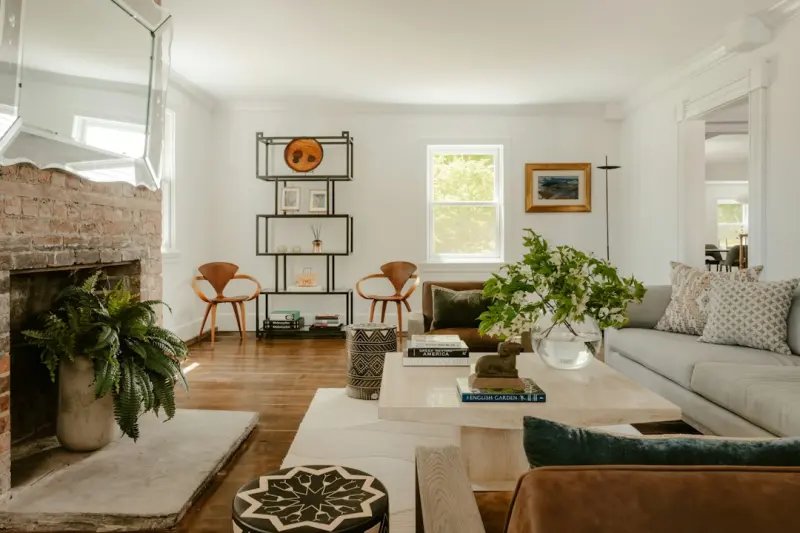
Why Texture Matters More Than You Think
When you walk into a room that feels instantly inviting, it’s rarely the paint color alone that does the trick. It’s the subtle interplay of surfaces—soft linens, rough reclaimed wood, glossy ceramics, and plush rugs—that creates a tactile narrative. These layered textures whisper stories of comfort, depth, and personality, guiding the eye and the hand alike. By consciously curating a mix of materials, you give each corner a voice, turning an ordinary living area into a lived‑in artwork.
Start With a Sensory Blueprint
Before you rush to the nearest boutique, sketch a quick sensory map of the space. Identify the focal points where you want attention—perhaps a mantle, a coffee table, or an accent wall. Then ask yourself: what feeling do I want each zone to evoke? A reading nook might crave a warm, enveloping vibe achieved with chunky knit throws and a velvety armchair. A kitchen island, on the other hand, benefits from sleek stainless steel and smooth marble, reinforcing a sense of efficiency. This blueprint becomes your guide, ensuring every texture serves a purpose rather than existing as random decoration.
Mixing Materials Without Clashing
One common fear is that too many textures will create visual chaos. The secret lies in establishing a unifying color palette. Choose a dominant hue—perhaps a muted sage or a deep charcoal—and let every material echo that shade in varying intensities. A charcoal wool rug, a sage‑tinted ceramic vase, and a set of brushed nickel light fixtures will feel cohesive even though the textures differ dramatically. Remember, contrast is your ally; juxtaposing a smooth glass lamp against a rugged stone side table adds intrigue without overwhelming the eye.
Layering Through Soft Furnishings
Soft furnishings are the easiest entry point for texture layering. Start with a base layer—think a solid‑color sofa in a durable fabric like linen or performance velvet. Add a second layer with patterned cushions in woven jute or embroidered cotton. Finally, drape a third layer of a chunky knit throw or a faux‑fur blanket. This three‑step approach creates depth that can be easily adjusted seasonally, allowing you to refresh the look without a full overhaul. Plus, these tactile changes influence how long guests linger, making the space feel more welcoming.
Flooring: The Groundwork of Comfort
Flooring is often overlooked, yet it sets the tone for the entire room. If you have hardwood, consider layering a large natural fiber rug to soften footsteps and introduce warmth. For apartments with carpet, a low‑pile sisal runner can add an unexpected earthy texture while preserving the coziness underneath. When you choose a rug, pay attention to its pile height and fiber composition; a high‑pile shag creates a relaxed, lounge‑like vibe, whereas a flat‑weave kilim adds visual intrigue with its intricate patterns.
Statement Pieces That Anchor the Narrative
A single statement piece can act as an anchor for your texture story. Think of a reclaimed wood coffee table with a live‑edge finish, a sculptural metal chandelier, or a handcrafted ceramic vase with an irregular glaze. These items draw the eye and become conversation starters. Pair them with subtler textures—like matte ceramic plates or smooth leather coasters—to prevent the room from feeling cluttered. The key is balance: let the statement piece shine while supporting elements echo its material language.
Lighting as a Textural Enhancer
Light interacts with surfaces, highlighting certain textures while muting others. A warm amber glow from a pendant lamp will accentuate the grain in a wooden sideboard, whereas a cool daylight LED will bring out the sheen of glass décor. Use a mix of ambient, task, and accent lighting to sculpt the room’s texture throughout the day. For a modern twist, incorporate smart lighting that shifts color temperature, allowing you to showcase different material qualities at various times.
Bringing the Outdoors In
Biophilic design—integrating natural elements—adds an organic texture that modern interiors crave. Place a collection of potted succulents in woven baskets, hang macramé planters from the ceiling, or display a driftwood sculpture on a mantel. The subtle irregularities of plant leaves and natural fibers create a living texture that evolves, adding depth and freshness. Even a simple vase of fresh-cut branches can soften a sleek, contemporary space.
Technology Meets Texture
While home décor feels decidedly tactile, technology can amplify the sensory experience. Smart climate control ensures that a plush rug stays comfortably warm, while a high‑resolution sound system can make a room’s acoustic texture feel richer. For those curious about how the latest innovations shape our living spaces, explore the future of smart home safety and see how intelligent design can protect your sanctuary.
Curating Personal Collections
Every home tells a story, and personal collections—vintage books, travel souvenirs, handmade pottery—add layers of meaning. Display these items thoughtfully: a rotating gallery wall for framed prints, a low shelf for travel trinkets, or a dedicated nook for cherished heirlooms. By grouping items of similar texture or material, you reinforce cohesion while celebrating individuality. This approach mirrors the way brands curate product lines, offering both consistency and surprise.
Seasonal Swaps Without Overhauls
Seasonal changes are perfect opportunities to tweak textures. In cooler months, introduce heavier blankets, woolen poufs, and deeper color tones. When summer arrives, swap them for lighter linen throws, woven rattan accents, and pastel-hued cushions. Because the underlying color palette remains consistent, these swaps feel intentional rather than chaotic. This strategy keeps your space feeling fresh year after year with minimal expense.
Mindful Maintenance: Keeping Textures Fresh
Investing in texture means committing to its upkeep. Regular vacuuming of rugs, gentle hand‑washing of delicate throws, and applying protective sealants to wooden surfaces extend their lifespan. Rotate cushions and pillows to distribute wear evenly. When you notice a texture fading or fraying, replace it with a similar material in a complementary hue to maintain the room’s harmony.
Learning From Other Disciplines
Design principles from other fields can inspire home décor strategies. For instance, the concept of tiny wins in design mirrors how small, thoughtful touches—like a perfectly placed scented candle—can elevate a space’s overall impact. Similarly, the idea of visual hierarchy from subtle impacts of visual hierarchy can guide where to place bold textures versus muted ones, ensuring a balanced composition that guides the eye naturally.
Conclusion: Your Home as an Ongoing Canvas
Texture isn’t a one‑time decision; it’s an evolving conversation between you and your environment. By starting with a sensory blueprint, mixing materials thoughtfully, and embracing seasonal updates, you create a living space that feels both curated and personal. Let each fabric, surface, and accent be a brushstroke in the larger masterpiece of your home. As you experiment, you’ll discover that the most satisfying décor decisions are those that engage not just the eyes, but the fingertips, the ears, and even the intuition.

Jimmy Anand is a content creator that gets inspired by many aspects of life, internet or whatever inspires him at that moment. When he's not online he's gaming and when he is not gaming he is online trolling discussion boards.
Related Posts
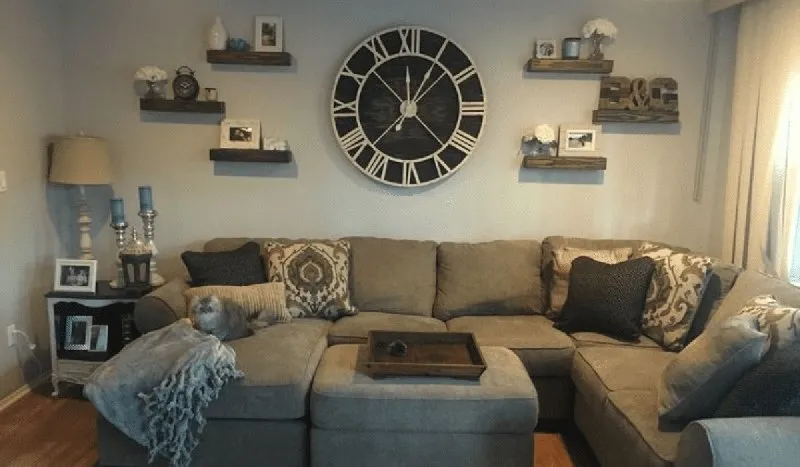
Ideas for Wall Clocks: Timeless Aesthetic to Your Home Decor
In the intricate tapestry of home decor, certain elements transcend mere utility to become pivotal s... Read More
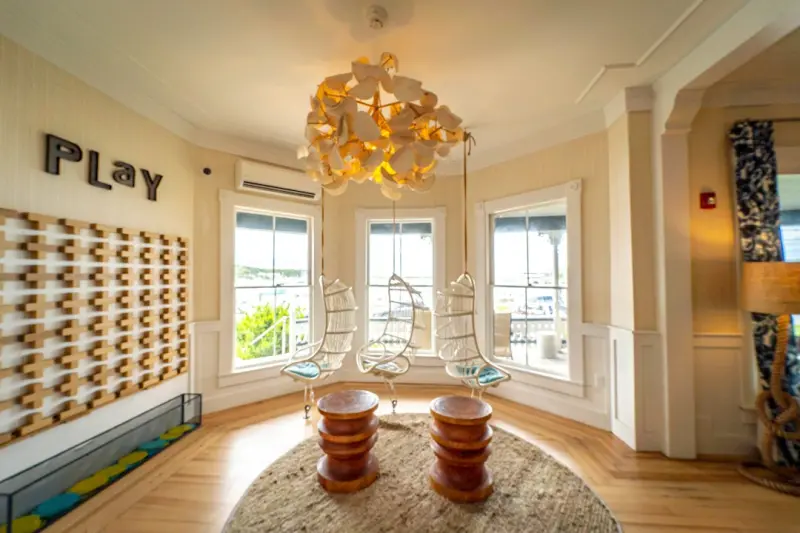
Sensory‑Rich Home Decor: Touch, Sound, and Scent Transform Your Space
Discover the rise of sensory‑rich home decor, where texture, sound, and scent work together to cre... Read More

Curating Your Own Gallery Wall: A Storytelling Approach to Home Décor
Discover the step‑by‑step process to design a curated gallery wall that reflects your personal j... Read More
Top Posts

Scent, Sound, and Skin: The New Triad of Personal Care
Discover how combining scents, soothing sounds, and tactile textures can transform daily grooming into a holistic personal care experience that nurtures both sk...Read More

Unmasking the Digital Shadows: Your Essential Guide to Online Safety in a Connected World
In our hyper-connected world, online safety is paramount. This guide by Miranda Murphy offers practical advice on protecting your digital life, from creating st...Read More

Rethinking Security: From Barrier to Seamless Experience
Security should feel like a natural part of the product journey, not a hurdle. This post explores how to embed human‑centric, adaptive safeguards into SaaS ex...Read More

Why Skill-Based Games Are Rewriting the Rules of Online Gambling
Skill-based games are transforming online gambling by merging strategy, AI-driven odds, and real-time analytics, creating a dynamic experience that appeals to t...Read More
0 Comments
Post Comment
You will need to Login or Register to comment on this post!