
Why Sensory‑Rich Design Is the Next Big Wave in Home Decor
When I first fell in love with interior design, it was the visual punch of a bold rug or a striking piece of art that caught my eye. Over the years, however, my fascination has deepened—now it’s the feel of a soft throw, the hum of a hidden speaker, and the subtle waft of a natural scent that truly make a space feel alive. This shift toward a multi‑sensory experience is quietly reshaping how we curate our homes, and it’s happening faster than most trend reports suggest.
From “Look” to “Live”: The Evolution of Home Styling
Historically, home decor has been dominated by the visual hierarchy: color palettes, layout, and lighting. While those elements remain essential, they’re increasingly being complemented by tactile, auditory, and olfactory layers. Think of it as moving from a static photograph to an immersive short film—you’re no longer just a spectator; you become a participant.
Designers are now asking themselves: What does a space sound like when you walk across a reclaimed wood floor? How does a silk curtain feel against the skin on a breezy afternoon? Which scent can subtly reinforce a room’s purpose? The answers are reshaping everything from furniture selection to wall treatments.
Touch: The Underrated Power of Texture
Texture is the unsung hero of a room’s personality. A plush velvet sofa invites lingering conversation, while a rough linen pillow adds a grounded, organic vibe. Here are three ways to make touch a central design element:
- Layered Fabrics: Combine a chunky knit throw with a smooth leather chair. The contrast creates visual interest and a tactile journey.
- Natural Materials: Incorporate reclaimed wood, stone, or rattan. Their inherent irregularities provide a comforting, lived‑in feel.
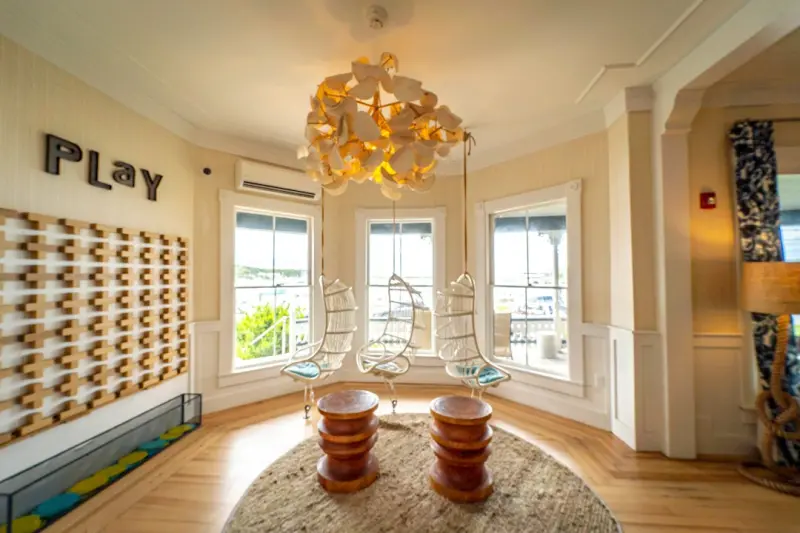
- Interactive Surfaces: Install a wall panel that doubles as a textured art piece—think 3‑D wall mosaics that invite gentle fingertips.
When you consciously choose textures that you’d love to touch, you turn a room from a gallery into a sanctuary.
Sound: Curating an Acoustic Atmosphere
Sound design used to belong only in concert halls and high‑end restaurants, but it’s now an integral part of home styling. The goal isn’t to drown out silence but to introduce a gentle, intentional soundtrack that supports the room’s function.
Consider these approaches:
- Hidden Speakers: Thin, wall‑mounted speakers can emit a soft ambient soundtrack—like distant waves in a bathroom or a low‑key jazz loop in a living area.
- Material Acoustics: Heavy curtains, wool rugs, and acoustic panels not only absorb echo but also create a calm, muffled environment ideal for focused work or relaxation.
- Nature‑Inspired Sounds: Small tabletop fountains or wind chimes add a subtle auditory layer that promotes mindfulness without overwhelming the space.
Even the simple act of placing a record player in a corner can become a focal point that invites guests to pause, listen, and connect.
Scent: The Invisible Decor Element
Smell is directly linked to memory and emotion. A well‑chosen scent can reinforce a room’s purpose—citrus for a bright kitchen, lavender for a calming bedroom, or sandalwood for a grounding office.
Here’s how to weave scent into your design without it feeling forced:
- Natural Diffusers: Use bamboo or ceramic diffusers paired with essential oils that complement your color scheme. A teal diffuser can echo a teal sofa, creating a visual‑olfactory sync.
- scented Candles: Opt for soy‑based candles with clean, subtle notes. Place them on coffee tables or shelves where they double as decor objects.
- DIY Potpourri: Mix dried botanicals that match your decor’s botanical theme—think eucalyptus, lavender, and rose petals in a glass bowl.
The key is subtlety; the scent should be present enough to be noticed, but not overpowering.
Technology Meets Sensory Design
Smart home technology isn’t just about convenience; it’s now a platform for sensory enrichment. Voice‑controlled lighting scenes can shift from cool daylight to warm amber as the evening progresses, while programmable scent dispensers release fragrances at scheduled intervals.
One of my recent projects incorporated a adaptive space planning strategy that used motion sensors to trigger soothing soundscapes when someone entered a meditation nook. The result? A space that responded intuitively to its occupants, creating a seamless blend of technology and humanity.
Eco‑Conscious Sensory Choices
Sustainability and sensory design are natural allies. Organic cotton throws, reclaimed wood tables, and plant‑based diffusers not only feel good to the touch and smell, but they also align with a greener ethos. When you choose materials that are responsibly sourced, you add an ethical layer to the sensory experience.
Take, for example, the rise of transparent ingredient sourcing in the culinary world. A similar transparency is emerging in home décor: brands are now labeling the origin of their fibers, the carbon footprint of their production, and the recyclability of their packaging. This transparency lets designers and homeowners make choices that feel good on every level.
Practical Steps to Infuse Sensory Richness
Ready to start? Follow this 5‑step checklist:
- Audit Your Current Space: Close your eyes and walk through each room. Note where you feel most comfortable and where you feel “flat.”
- Identify a Dominant Sense to Elevate: Choose one sense per room—texture in the living room, sound in the study, scent in the bedroom.
- Source Sustainable Materials: Look for certifications like GOTS (Global Organic Textile Standard) or FSC (Forest Stewardship Council) to ensure ethical sourcing.
- Integrate Smart Elements: Add a smart plug for a diffuser or a Bluetooth speaker that can be controlled via voice assistant.
- Layer and Test: Introduce one element at a time. Sit, listen, and breathe. Adjust until the experience feels cohesive.
Case Study: A Sensory‑Rich Urban Loft
One client, a freelance photographer living in a compact loft, wanted a space that inspired creativity without feeling chaotic. We began by:
- Installing a reclaimed pine floating desk that offered a tactile connection to nature.
- Embedding a hidden speaker system that played low‑frequency ambient tracks during editing sessions.
- Using a subtle eucalyptus scent diffuser in the studio area to promote mental clarity.
The result was a loft that felt both grounded and dynamic—an environment where the senses worked together to boost productivity and well‑being.
Future Trends: The Rise of Multi‑Sensory Showrooms
Retail spaces are already experimenting with sensory pop‑ups—rooms where you can touch fabrics, hear curated playlists, and smell signature candles before purchasing. Expect to see more of these immersive experiences both in stores and online, where AR (augmented reality) will let you “feel” textures through haptic feedback devices.
Conclusion: Make Your Home Feel as Good as It Looks
The next frontier of home decor isn’t just about the perfect shade of gray or the most Instagram‑worthy arrangement. It’s about creating an environment that engages every sense, supports emotional health, and reflects a mindful, sustainable lifestyle. By thoughtfully integrating touch, sound, and scent, you transform a house into a living, breathing sanctuary—one that welcomes you home with every step, breath, and heartbeat.

Steph Sanderson is a Toronto-based freelance writer and content creator with a clear passion: crafting compelling articles. With a dedication to clear, engaging prose and a knack for storytelling, Steph brings a wealth of experience to every project.
Related Posts
Crafting Your Sanctuary: The Art of Intentional Home Decor for a Life Well-Lived
Transform your home into a personal sanctuary. Michelle Fisher guides you through intentional decor ... Read More

Designing Narrative Spaces: How to Turn Home Décor into a Living Story
Turn your home into a living narrative by curating personal artifacts, layering senses, and using mo... Read More
Ideas for Wall Clocks: Timeless Aesthetic to Your Home Decor
In the intricate tapestry of home decor, certain elements transcend mere utility to become pivotal s... Read More
Top Posts

Building a Green Professional Network on LinkedIn
Learn how to optimize your LinkedIn profile, engage with sustainable content, build meaningful relationships, and amplify your impact in the sustainable living ...Read More

When a Common Law Relationship Ends: Navigating the Breakup
Common law relationships, also known as cohabitation agreements in some jurisdictions, are increasingly common. While they offer a level of commitment and share...Read More

How Embedded Finance Is Powering the Subscription Economy
Embedded finance transforms SaaS cash flow by integrating payment, credit, and expense tools directly into the product, delivering real‑time revenue insights,...Read More

The Modern Love Playbook: How to Build a Relationship That Thrives in a Fast‑Changing World
Jody Henderson shares a fresh, bold roadmap for love—mixing communication hacks, boundary setting, and playful rituals to keep modern relationships thriving....Read More
0 Comments
Post Comment
You will need to Login or Register to comment on this post!