
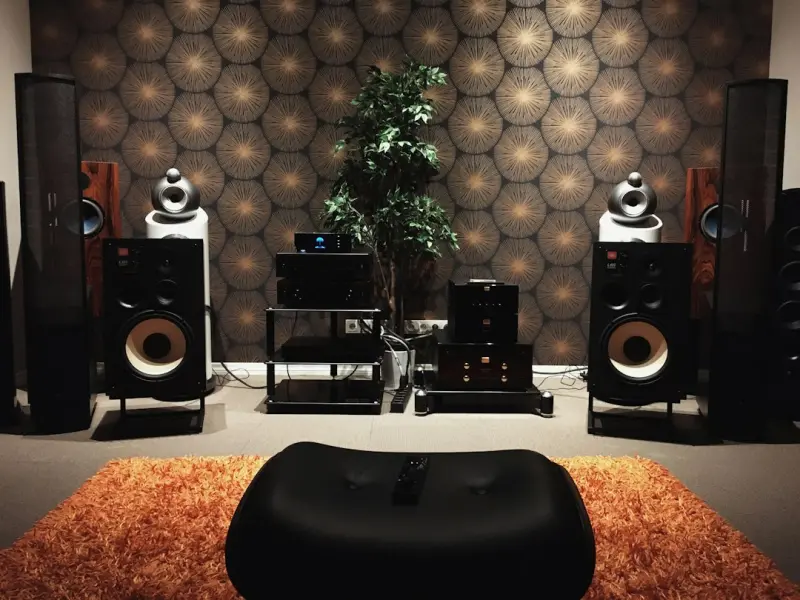
Why Sound Matters More Than You Think in Home Decor
When I first walked into a friend’s newly‑renovated loft, the first thing that struck me wasn’t the color of the walls or the sleekness of the furniture—it was the hush that enveloped the space. The room felt “finished” not because of a particular shade of gray, but because the acoustics were subtly managed. This quiet confidence is the secret sauce of interiors that feel alive, inviting, and truly lived‑in. In today’s noise‑saturated world, curating a sonic environment is as essential as picking the perfect rug.
The Science Behind a Serene Space
Our brains are hard‑wired to respond to sound. A sudden echo off bare concrete can trigger a stress response, while a soft, diffused hum can lower cortisol levels. Materials like acoustic panels, dense fabrics, and even strategically placed bookshelves act as “sound absorbers,” turning a bustling open‑plan loft into a sanctuary. Studies show that controlling reverberation time—ideally keeping it under 0.6 seconds in living areas—can improve conversation clarity and reduce listener fatigue. The result? A home that feels calmer, more intimate, and surprisingly more stylish.
From “Afterthought” to Centerpiece: Making Acoustic Design Visible
Historically, acoustic treatment was hidden behind drywall or tacked onto ceilings out of sight. Today, designers are flipping the script, treating sound‑absorbing elements as decorative statements. Think oversized, fabric‑wrapped panels that echo the geometry of a modern art piece, or reclaimed wood baffles that double as sculptural installations. By choosing textures and shapes that complement your existing palette, you can turn a functional necessity into a conversation starter.
Choosing the Right Materials for Your Aesthetic
Not all acoustic solutions are created equal. Fiberglass boards, while highly effective, can look industrial. On the other hand, mineral wool wrapped in linen offers a softer, more organic finish that blends seamlessly with Scandinavian minimalism. For a bold, industrial vibe, perforated metal panels—often used in loft conversions—add a sleek, reflective surface while still taming sound. The key is to align material choice with the emotional tone you want your home to convey.
Color, Pattern, and Texture: The Visual Language of Acoustics
If you’re worried that acoustic panels will clash with your décor, remember that color and pattern are powerful tools. A monochromatic palette of muted blues can create a calming backdrop, while a series of patterned panels—think subtle herringbone or geometric motifs—adds visual intrigue without overwhelming the space. Pairing panels with complementary throw pillows or artwork can weave the acoustic elements into the overall design narrative.
Strategic Placement: Where to Hide (and Show) Your Sound Solutions
Placement is everything. The most effective spots are often the “problem zones”—large, reflective surfaces like bare walls behind a TV, open stairwells, or high‑ceiling dining rooms. A well‑placed panel behind a bookshelf not only absorbs echo but also frames the shelf as a focal point. In open‑plan homes, consider a “cloud” of suspended panels above the living area; this not only reduces overhead reverberation but also creates a floating visual element that draws the eye upward.
DIY Acoustic Art: A Budget‑Friendly Path to Style
Not every homeowner wants to invest in custom‑fabricated solutions. A budget‑friendly alternative is to upcycle everyday items: canvas stretched over a wooden frame, covered with acoustic foam, and painted to match your wall color. Even a collection of thick, woven baskets can serve as natural sound absorbers while adding a touch of texture. The DIY route allows you to experiment with scale and placement without committing to expensive installations.
Integrating Technology Without Sacrificing Warmth
Smart homes are no longer limited to lighting and thermostats. Modern acoustic panels can embed Bluetooth speakers or hidden wiring for ambient soundscapes. Imagine a panel that doubles as a subtle source of white noise, enhancing focus during work‑from‑home sessions, then fading into silence for evening relaxation. This marriage of tech and texture lets you curate both visual and auditory experiences without compromising on style.
Case Study: A Modern Kitchen Gets a Sonic Makeover
When a client approached me to revamp their open‑plan kitchen, the biggest complaint was the “clatter” of dishes and the echo of conversation bouncing off stainless steel surfaces. By installing a series of fabric‑wrapped panels behind the backsplash and adding a textured ceiling grid, we reduced reverberation by 40 %. The result? A space that feels both bustling and cozy, where the sizzle of a stir‑fry becomes part of the ambiance rather than a source of noise. For more insight into how kitchens can evolve beyond function, see Ingredient Transparency Is Redefining Home Cooking.
Balancing Acoustic Needs with Sustainable Choices
Eco‑conscious homeowners can opt for panels made from recycled denim, cork, or reclaimed wood. These materials not only perform well acoustically but also align with a low‑impact lifestyle. Cork, for instance, is naturally porous and excellent at dampening sound while adding a warm, earthy tone to any room. By selecting sustainable options, you reinforce a narrative of responsible design that resonates—quite literally—with modern sensibilities.
Future‑Proofing Your Space: Flexibility for Changing Needs
Homes evolve. A room that serves as a home theater today may become a yoga studio tomorrow. Modular acoustic panels that can be rearranged or swapped out allow you to adapt the soundscape as your lifestyle shifts. This flexibility mirrors the growing trend of multifunctional interiors, ensuring that your investment remains relevant for years to come. For a broader look at adaptable interior strategies, you might enjoy Designing Adaptive, Multi‑Generational Spaces: Flexibility Meets Style.
Putting It All Together: A Step‑by‑Step Checklist
- Assess the room. Walk around and clap—listen for echo points.
- Choose materials. Align texture, color, and sustainability with your design language.
- Plan placement. Target reflective surfaces and high‑traffic zones.
- Integrate technology. Consider hidden speakers or smart controls if desired.
- Install and test. Re‑evaluate the acoustic feel after each panel is added.
- Iterate. Adjust placement or add pieces until the space feels balanced.
Conclusion: Sound as the Unsung Hero of Home Decor
Acoustics have long been the silent partner of interior design, but they don’t have to stay hidden. By treating sound‑absorbing elements as intentional design pieces, you can elevate your home’s ambiance, improve well‑being, and showcase a sophisticated understanding of both form and function. The next time you redesign a room, remember to ask yourself: “What does this space sound like?” and let that answer guide your aesthetic decisions.

Dale Peterson is a freelance writer with a passion for technology, travel, law and personal finance. With 10 years of experience crafting compelling and informative content, he's dedicated to delivering high-quality writing for Blogging Fusion that engages audiences and achieves specific goals.
Related Posts

The Rise of Eco-Friendly Home Decor: Trends and Tips for a Sustainable Living Space
The home decor industry is shifting towards sustainable living. Learn about the latest eco-friendly ... Read More

Turn Your Living Room into a Curated Gallery: A Fresh Take on Home Decor
Learn to turn everyday spaces into curated galleries using statement pieces, smart lighting, modular... Read More

Fall Isn't Fall Until My Candles Are Lit!
As soon as that first whisper of crisp air touches my skin, or the first pumpkin spice latte ad pops... Read More
Top Posts

6 Best Apps for Working Remotely from Home
The global pandemic has drastically changed the way we work, with many companies adopting a remote work model. Working from home has its perks, such as flexible...Read More

Micro‑Movement Mastery: Turning Everyday Tasks into Wellness Wins
Micro‑movement turns everyday routines into powerful wellness moments. Learn simple, science‑backed habits that revitalize your body and mind, all while sta...Read More

Things To Be Considered Before Buying Student Laptops
In today's digitally driven academic world, a laptop is no longer a luxury but an essential tool for students. From research and essay writing to online classes...Read More

AI Translator Headphones: Bridging Language Gaps in Real‑Time
In a world where business deals, cultural exchanges, and personal relationships increasingly cross linguistic borders, the ability to understand one another ins...Read More
0 Comments
Post Comment
You will need to Login or Register to comment on this post!