
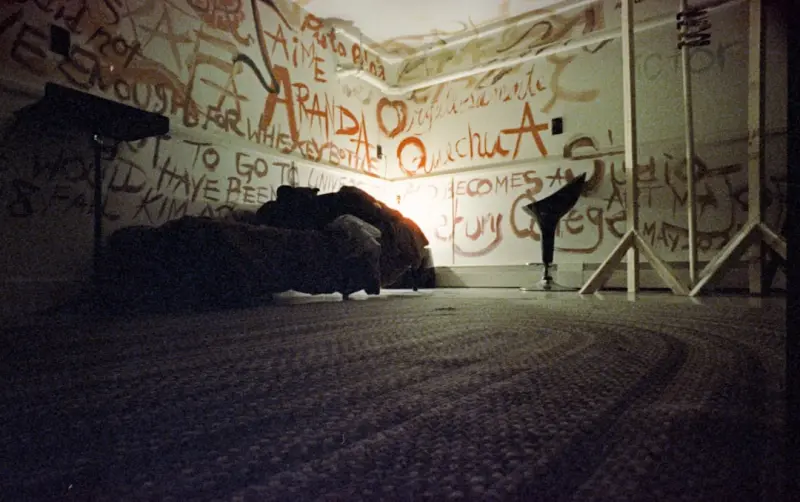
Why Your Home Should Tell a Story, Not Just Look Good
When I first walked into a friend’s loft and saw a vintage typewriter perched beside a sleek, matte‑black lamp, I felt an odd but unmistakable pull. It wasn’t the style of the objects that caught me; it was the conversation they sparked in my mind. That moment made me realize that décor is more than a visual checklist—it’s a narrative waiting to be unfolded. In this piece, I’ll explore how to transform rooms from static backdrops into living chapters of your personal story.
The Psychology Behind Narrative Spaces
Human beings are hard‑wired storytellers. From bedtime tales to brand slogans, we constantly seek arcs, characters, and resolutions. When a space mirrors this instinct, it does more than please the eye—it satisfies a deeper cognitive need for meaning. Research in environmental psychology shows that rooms imbued with personal significance reduce stress, boost creativity, and even improve memory retention. In short, a well‑told home story is a silent therapist.
Step 1: Identify Your Core Narrative
Before you start moving furniture, ask yourself: What story do I want my home to tell? It could be a tribute to your travels, a celebration of your family’s heritage, or a chronicle of your career milestones. Write it down in a single sentence—this becomes your design compass.
- Travelogue Theme: Highlight souvenirs, maps, and photos from each destination.
- Heritage Theme: Showcase heirlooms, traditional textiles, and ancestral photographs.
- Career Milestones: Display awards, patents, or sketches that mark professional pivots.
Step 2: Curate Personal Artifacts, Not Just “Decor”
Every object you place should have a story attached. Instead of buying generic candle holders, consider a hand‑blown glass piece you collected on a road trip. Instead of a mass‑produced rug, choose a textile woven by a community artisan whose story resonates with you. By anchoring each item to a memory, you turn the entire room into a living scrapbook.
Step 3: Layer Your Senses
Stories are multi‑sensory. Think beyond sight:
- Scent: A subtle vanilla diffuser can evoke childhood kitchens, while a cedar block can hint at forest retreats.
- Sound: A low‑volume ambient track of distant waves or city traffic can set the scene without overwhelming conversation.
- Touch: Mix plush throws with smooth marble surfaces to create tactile contrast that invites exploration.
When these layers harmonize, visitors feel like they’re stepping into a narrative, not just a room.
The Role of Color as a Narrative Palette
Colors function like words in a sentence—they set tone, emphasize emotions, and guide the reader’s (or viewer’s) focus. For a calm, reflective story, lean into muted blues and soft grays. For a vibrant adventure, let deep terracotta, mustard yellow, and emerald greens dominate. Use a color story rather than random splashes; this ensures cohesion while still allowing accents to pop.
Mixing Old and New: The Art of Temporal Contrast
One of my favorite tricks is pairing a centuries‑old wooden chest with a contemporary LED light strip. The juxtaposition creates a dialogue between eras, reinforcing the idea that your story is ongoing, not frozen. It also adds visual intrigue—people naturally linger on contrasts, trying to decipher the relationship.
Embracing Controlled Chaos
While many décor guides preach strict symmetry, I argue for embracing unscripted exploration. A curated mess—like a stack of well‑read books, a half‑finished knitting project, or a mismatched gallery wall—conveys authenticity. The key is intention: each “mess” should still serve a narrative purpose, preventing the space from feeling truly chaotic.
Modular Flexibility: Furniture That Grows With Your Story
Just as modular design principles are reshaping fashion, they’re equally powerful in home décor. Invest in sectional sofas with removable sections, stackable shelving, or wall panels that can be rearranged. This flexibility lets you re‑stage your story as it evolves—adding a new travel souvenir might prompt you to shift a display shelf, for instance.
Tech‑Enabled Storytelling: The Digital Canvas
Smart home devices have moved beyond utility; they’re now narrative tools. Imagine a digital frame that cycles through photos synced with a voice‑activated timeline. Or an ambient lighting system that shifts hue based on the playlist you associate with a particular memory. The dynamic content in smart home displays can turn static walls into interactive storyboards, inviting guests to engage directly with your lived experience.
Practical Checklist for Narrative Home Design
- Define your story: Write a concise narrative statement.
- Audit existing items: Tag each piece with the memory it holds; keep, repurpose, or let go.
- Select a color palette: Choose 3–4 core hues that reflect the story’s mood.
- Introduce sensory layers: Add scent, sound, and tactile elements.
- Balance order and chaos: Arrange items with intentional “mess” points.
- Incorporate modular pieces: Ensure furniture can be reconfigured.
- Leverage technology: Use smart frames, voice‑controlled lighting, or ambient soundscapes.
- Iterate: As life adds chapters, revisit and adjust your décor.
Case Study: From Blank Wall to Story Wall
One client, a freelance photographer, started with a stark, white office. She wanted the space to feel like a gallery of her life’s work, not just a place to edit photos. We began by selecting a handful of vintage travel prints that held emotional weight. Next, we installed a modular shelving system that could hold both books and a small indoor plant collection. A subtle pine‑scent diffuser was added to evoke her mountain trips. Finally, a smart frame was programmed to display a looping slideshow of her recent shoots whenever she entered the room, synced to a low‑volume ambient soundtrack of distant wind. The result? A dynamic narrative environment that fuels her creativity daily.
Common Pitfalls and How to Avoid Them
Over‑Curating: Filling every surface with memorabilia can overwhelm. Apply the “one‑in‑one‑out” rule: for every new item, retire an older one.
Ignoring Function: A story should never sacrifice usability. Ensure pathways are clear and seating remains comfortable.
Color Clashes: If you’re unsure, start with a neutral base and let accent pieces provide the narrative pops.
Conclusion: Your Home as an Ongoing Chapter
Designing a home that narrates your life isn’t a one‑time project; it’s a habit of curation. By treating each object as a paragraph, each color as a tone, and each sensory cue as a sub‑plot, you create a living manuscript that evolves with you. The next time you walk into a room, ask yourself whether it whispers a story—or merely shouts decor trends. If it whispers, you’ve succeeded.

Robert Mathews is a professional content marketer and freelancer for many SEO agencies. In his spare time he likes to play video games, get outdoors and enjoy time with his family and friends . Read more about Robert Mathews here:
Related Posts

Weaving Personal Storytelling into Home Decor
Explore fresh ways to infuse personal stories into every room, from meaningful focal pieces to susta... Read More
How Biophilic Design Transforms Modern Home Spaces
Explore the rise of biophilic design and learn actionable steps to infuse natural light, greenery, a... Read More
Ideas for Wall Clocks: Timeless Aesthetic to Your Home Decor
In the intricate tapestry of home decor, certain elements transcend mere utility to become pivotal s... Read More
Top Posts

Serverless Cloud Hosting: Agility, Cost, and the Reality Check
Serverless cloud hosting promises instant scalability and pay‑per‑use pricing, but hidden latency, cost nuances, and vendor lock‑in require careful planni...Read More

Mastering SERP Features: Turning Zero‑Click Searches into SaaS Growth Engines
Learn why modern SERP features are more valuable than traditional rankings and get a step‑by‑step checklist to dominate zero‑click searches for B2B SaaS g...Read More

Debunking the 10 Common Social Media Myths
Social media has become an integral part of our lives, with millions of people using various platforms daily to communicate, share information, and connect with...Read More

Edge‑First Development: Building Websites Where Users Really Are
An in‑depth guide to edge‑first development, covering patterns, platforms, performance benchmarks, and a practical roadmap for moving compute to the edge....Read More
0 Comments
Post Comment
You will need to Login or Register to comment on this post!