
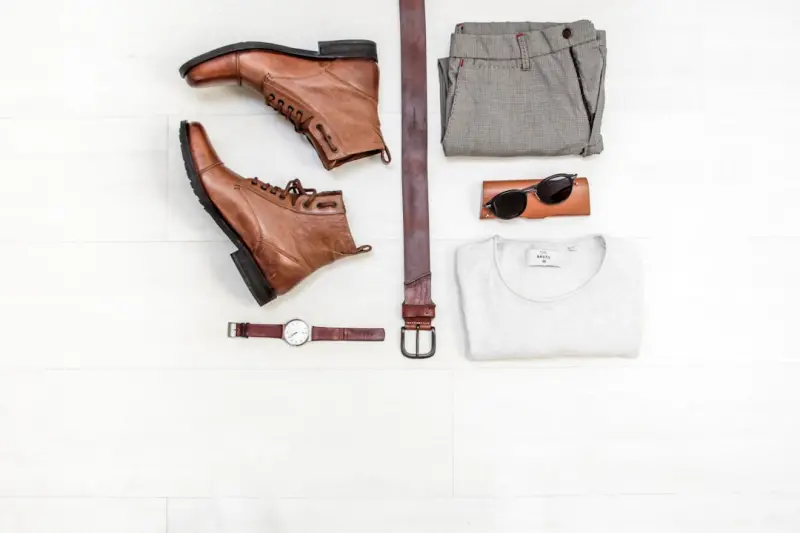
When I first walked into a boutique that let me swap out a sneaker’s sole in under a minute, I felt the same thrill that a software engineer gets from a clean pull‑request merge. It was a reminder that fashion, like any other industry, thrives on the marriage of creativity and engineering. Today, I’m pulling back the curtain on a movement that’s still whisper‑quiet in mainstream headlines but is set to rewrite the playbook for shoes and accessories: modular design.
The Rise of Interchangeable Footwear
For decades, the sneaker market has been dominated by monolithic designs—one shoe, one purpose, one lifespan. Yet consumer expectations have shifted dramatically. Shoppers now demand personalization at scale, sustainability, and the ability to adapt their wardrobe without constantly buying new pieces. Interchangeable footwear answers all three.
Imagine a runner who can click on a high‑cushion midsole for long‑distance training, then snap on a low‑profile plate for speed work—without buying a second pair. Picture a fashion‑forward professional who swaps sleek leather uppers for bold, patterned fabric during a weekend brunch, all while keeping the same base sole. The core idea is simple: a reusable platform that houses a library of attachable components.
Design Principles That Make Modularity Work
Creating a truly modular system isn’t just about slapping a clip on a shoe. It requires a disciplined design language that balances aesthetics, durability, and user experience. Here are three pillars that guide successful modular footwear:
- Universal Connection System: A secure, intuitive mechanism—whether magnetic, snap‑fit, or a low‑profile latch—must feel as natural as zipping a jacket. It should be operable with one hand and withstand repeated cycles without loosening.
- Material Harmony: Different components need to complement each other both visually and physically. A breathable mesh upper should pair well with a responsive foam midsole, and a leather overlay should sit flush on a recycled rubber outsole.
- Scalable Ecosystem: Brands must commit to an evolving catalog of add‑ons. This is where the conversational content revolution offers inspiration: think of each component as a “content block” that can be recombined to tell a new story every time you lace up.
Why Modularity Is a Sustainability Game‑Changer
Fast fashion’s biggest flaw is its linear model: produce, consume, discard. Modular shoes flip that script into a circular one. When a component reaches the end of its useful life, you replace just that piece instead of the whole pair. The result is a dramatic reduction in material waste and carbon emissions.
Take the example of a popular high‑top sneaker that offers three interchangeable midsoles: a cushioned “comfort” version, a lightweight “performance” version, and an ultra‑minimal “eco” version made from plant‑based foam. A consumer who primarily walks can stick with the comfort midsole for years, then switch to the eco version when they decide to reduce their carbon footprint. The shoe’s outer shell—often the most resource‑intensive part—remains in use far longer.
Economic Implications for Brands and Retailers
From a business standpoint, modularity opens a new revenue stream that’s both recurring and less price‑sensitive. Instead of relying solely on the initial purchase price, brands can monetize accessories, upgrades, and seasonal releases. This mirrors the micro‑interactions model in digital products: small, delightful touchpoints that keep users engaged and willing to spend.
Retailers can also re‑imagine the in‑store experience. Rather than static displays, they can create “build‑your‑own‑shoe” stations where shoppers experiment with different uppers, soles, and laces. This interactive approach not only drives foot traffic but also generates valuable data on consumer preferences, feeding directly into product development cycles.
Case Study: The Rise of Snap‑Fit Sneakers
One emerging brand, FlexStep, launched a line of snap‑fit sneakers that have quickly become a cult favorite among urban cyclists. Their system uses a patented magnetic rail that locks the outsole to a replaceable midsole. Users report a 30% increase in perceived comfort after swapping to a gel‑infused midsole for longer rides.
FlexStep’s success can be traced to three strategic moves:
- They released a limited edition artist collaboration for the upper, creating scarcity without producing an entirely new shoe.
- They offered a subscription service where members receive a new midsole every quarter, keeping the shoe fresh and generating predictable revenue.
- They built an online configurator that visualizes each component in 3D, turning the purchase journey into an interactive experience akin to customizing a car.
The brand’s approach demonstrates that modularity isn’t a gimmick—it’s a platform for continuous innovation.
Beyond Shoes: Modular Accessories
The same principles apply to accessories like bags, belts, and even jewelry. A handbag with interchangeable straps and interior organizers can transition from a work‑day tote to a weekend crossbody with a single swap. Modular jewelry—think of a pendant that clicks onto different chains or a cuff that accepts interchangeable plates—offers endless personalization while reducing the need for an entire collection.
These accessories also benefit from the network effect. As more components become available, the perceived value of the base item skyrockets, encouraging early adopters to become brand advocates.
Designing for the Future: Technology Meets Craftsmanship
While modularity is rooted in physical design, technology amplifies its potential. Augmented reality (AR) apps can let consumers preview how a new sole or strap will look before they buy. AI‑driven recommendation engines can suggest component combos based on lifestyle data—much like how streaming services curate playlists.
Moreover, blockchain can certify the provenance of each component, reassuring eco‑conscious shoppers that their purchased pieces meet sustainability standards. Imagine scanning a QR code on a leather upper and instantly seeing its farm origin, tanning process, and carbon offset calculations.
Challenges and How to Overcome Them
No innovation is without friction. Here are the top hurdles and practical solutions:
- Mechanical Reliability: Repeated attachment/detachment can wear down connectors. Solution: use high‑grade aerospace alloys or reinforced polymers and conduct lifecycle testing that mirrors real‑world usage.
- Design Cohesion: Too many options can dilute brand identity. Solution: curate a “core palette” of colors and textures that ensure any combination feels unmistakably yours.
- Consumer Education: Shoppers may be hesitant to try a new system. Solution: invest in clear instructional videos, in‑store demos, and a robust FAQ powered by a conversational AI chatbot.
How to Get Started as a Consumer
If you’re intrigued but unsure where to begin, follow these simple steps:
- Identify your most worn shoe style—running, casual, or formal.
- Research brands that offer interchangeable components for that style.
- Start with a single upgrade (e.g., a high‑cushion midsole) to test the feel.
- Gradually expand your component library as you discover what works for you.
By taking a phased approach, you minimize risk while experiencing the benefits of modularity firsthand.
The Road Ahead
The fashion industry is at a crossroads where sustainability, personalization, and technology intersect. Modular design sits squarely at this intersection, offering a tangible pathway to a more responsible and engaging consumer experience. As brands continue to iterate on connection mechanisms, material science, and digital integration, we’ll likely see a surge of “mix‑and‑match” collections that blur the line between product and service.
In the same way that software platforms evolve through plugins and extensions, shoes and accessories are poised to become ecosystems of interchangeable parts. The next time you lace up, you might be stepping into a future where your footwear adapts as fluidly as your digital life.

Dale Peterson is a freelance writer with a passion for technology, travel, law and personal finance. With 10 years of experience crafting compelling and informative content, he's dedicated to delivering high-quality writing for Blogging Fusion that engages audiences and achieves specific goals.
Related Posts
Sneaker Revival: How Vintage Kicks Are Redefining Sustainable Style
Explore the rise of vintage sneakers, from eco‑friendly resale to modern styling tips, and learn h... Read More
Modular Footwear: Swapping Style, Comfort, and Sustainability in One Step
Modular footwear lets you mix and match shoe components for style, comfort, and sustainability, offe... Read More
From Street to Runway: Ryan Stuart’s 2024 Forecast for Shoes, Fashion & Accessories
Ryan Stuart unveils the 2024 fashion forecast, blending sustainability, tech, and bold color for sho... Read More
Top Posts

When AI Becomes Your Boardroom Ally: Decision‑Making at the Speed of Thought
A deep dive into decision‑intelligence AI, showing how boardrooms can move from static reports to dynamic, data‑backed strategies while maintaining ethical ...Read More
Revolutionizing Productivity: The Top Tools You Need to Know About
Explore the latest productivity tools and AI-powered solutions to transform your workflow, boost focus, and achieve your goals. Get ahead with top picks and exp...Read More

Managed WordPress Hosting: The SaaS Growth Engine You’ve Been Overlooking
A managed WordPress host isn’t a luxury—it’s a strategic growth tool. Learn why SaaS teams should ditch DIY hosting, integrate it into their multi‑cloud...Read More

Turning Career Paths into Playbooks: A Data‑Driven Narrative for the Modern Professional
A career playbook transforms a static résumé into a dynamic, data‑driven narrative, helping professionals map skills, run experiments, and tell compelling s...Read More
0 Comments
Post Comment
You will need to Login or Register to comment on this post!