

From Street to Boardroom: The Rise of Adaptive Footwear
When I first walked into a downtown coffee shop wearing a pair of sneakers that could morph from casual to formal with a single click, I realized the fashion world was quietly rewriting its own rulebook. No longer is footwear a static statement; it’s an evolving conversation between comfort, performance, and personal expression. In this post I’ll unpack why adaptive shoes are becoming the cornerstone of modern wardrobes, how they’re reshaping workplace culture, and what this means for the broader ecosystem of accessories.
Why “One‑Shoes‑Fits‑All” Is No Longer a Fantasy
The old notion that you need a dedicated pair for every occasion is crumbling under the weight of new materials and modular design. Think of a shoe built on a base platform—think sleek leather or high‑tech knit—into which interchangeable components snap or unfold. A heel can be added for a meeting, a breathable mesh panel for a jog, and a waterproof overlay for a rainy commute. This modularity isn’t just a gimmick; it’s a response to the way we live today, where the line between work, leisure, and travel blurs more than ever.
From a design perspective, the challenge is to maintain aesthetic coherence while allowing functional swaps. Brands that succeed treat each module as a piece of a larger visual language, ensuring the shoe still feels like a single, purposeful object, not a Frankenstein collection of parts.
Comfort as the New Currency of Luxury
Luxury used to be synonymous with rarity and price tags. In the era of adaptive footwear, luxury is measured in minutes saved, posture corrected, and steps taken without pain. Advanced foam cores, dynamic arch supports, and temperature‑regulating linings are no longer exclusive to high‑end athletic brands—they’re now standard in premium everyday shoes.
For professionals who spend hours on their feet or navigate endless video calls, comfort translates directly into productivity. When you’re not constantly adjusting your shoes or wincing at the end of the day, you’re more present, more engaged, and—ironically—more stylish because you can focus on your outfit’s narrative rather than its discomfort.
The Sustainability Angle You Haven’t Heard Yet
Adaptive shoes also present a compelling case for sustainability. Instead of buying multiple pairs that will eventually end up in landfills, a single adaptive system can serve a wide range of contexts, reducing material waste. Moreover, many manufacturers are embracing circular design principles: the base shoe is built to last a decade, while the interchangeable parts are made from recycled polymers and can be swapped out indefinitely.
Consumers are increasingly demanding transparency. Brands that publish lifecycle assessments and offer take‑back programs for worn modules gain an edge. It’s not just about the “green” label; it’s about giving the wearer agency to make smarter, longer‑lasting choices.
Impact on the Accessory Ecosystem
If shoes become adaptable, the rest of the accessory market follows suit. Think of a belt that can transition from a sleek leather finish for boardrooms to a woven, moisture‑wicking version for a hike—all without a full wardrobe overhaul. Wallets with modular compartments, bags with detachable tech pockets, and even socks that adjust compression levels based on activity are emerging alongside adaptive footwear.
This ripple effect creates a new category of “dynamic accessories,” where each piece can be customized on the fly. Designers are collaborating across product lines, ensuring that a shoe’s color palette matches a bag’s interchangeable sleeve or a watch strap’s mood‑responsive material.
Designers Speak: The Balancing Act of Form and Function
I sat down with a lead designer from a pioneering footwear brand to understand the trade‑offs they face. “Every module has to feel like a natural extension of the shoe,” she explained. “We start with the core silhouette, then iterate on each add‑on, testing for weight, balance, and aesthetics.” She highlighted the importance of “micro‑interactions”—the subtle clicks and haptic feedback that signal a secure attachment. These tiny moments, she said, are what turn a functional swap into a delightful experience.
In practice, this means extensive prototyping, from 3D‑printed models to real‑world wear testing in diverse climates. The goal is to ensure that a heel module doesn’t wobble on a slick floor, or that a breathable panel doesn’t compromise the shoe’s structural integrity.
From the Office Floor to the Virtual Closet
Even though I’m steering clear of the “digital try‑on” hype, it’s worth noting that adaptive footwear dovetails nicely with emerging virtual wardrobe tools. While you may not need a full‑blown AR mirror, an app that tracks which modules you’ve used, suggests new combinations, or alerts you when a component is nearing its wear limit can amplify the value proposition.
For forward‑thinking companies, integrating such an app with existing enterprise platforms can also open up data‑driven insights. Which modules are most popular among remote workers? Which climate‑specific add‑ons see spikes during seasonal changes? The answers can inform inventory, marketing, and even future design directions.
Business Implications: A Fresh Revenue Stream
From a B2B perspective, adaptive footwear introduces a recurring‑revenue model akin to subscription services. Companies can sell the base shoe at a premium and then offer monthly or quarterly module kits. This mirrors the scaling operations playbook where predictable cash flow fuels continuous innovation.
Retailers, too, can re‑imagine store layouts. Instead of rows of static shoes, imagine a “modular hub” where shoppers try out different components, see live demonstrations, and walk out with a personalized kit. This experience not only drives higher ticket sizes but also builds brand loyalty through education and hands‑on interaction.
Challenges on the Road Ahead
Adoption isn’t automatic. Consumers may be hesitant to trust a modular system with their daily comfort. There are also manufacturing hurdles: ensuring consistent quality across interchangeable parts, managing inventory of numerous components, and navigating supply‑chain complexities for specialized materials.
Furthermore, there’s a cultural barrier. Traditional fashion narratives celebrate iconic, unchanging silhouettes. Convincing style purists that a shoe can be both a classic and a chameleon requires compelling storytelling—something that goes beyond product specs and taps into lifestyle aspirations.
Future Glimpses: What’s Next for Adaptive Footwear?
Looking ahead, I see three converging trends:
- Smart Materials: Fabrics that stiffen on demand, providing instant support when you need it, then relax for comfort.
- AI‑Driven Recommendations: While I’m not diving into AI‑centric fashion, subtle algorithms can suggest the perfect module combo based on your calendar, weather, and even your posture data.
- Community‑Driven Design: Crowdsourced module ideas, voted on by users, can keep the ecosystem fresh and ensure it reflects real‑world needs.
These innovations will keep the conversation between shoe and wearer alive, making each step a purposeful, personalized experience.
Final Thoughts: Walking the Line Between Tradition and Innovation
Adaptive footwear is more than a product category; it’s a philosophy that respects the past while embracing the future. By marrying timeless craftsmanship with modular technology, designers give us the freedom to adapt without sacrificing style. As we step into an era where our shoes can talk to our schedule, our environment, and even our values, the humble act of putting on a pair becomes a deliberate, expressive choice.
Whether you’re a corporate leader looking to equip your team with versatile gear, a retailer eager to reinvent the shopping experience, or simply someone who refuses to compromise on comfort, the adaptive shoe movement offers a path forward—one step at a time.

Jimmy Anand is a content creator that gets inspired by many aspects of life, internet or whatever inspires him at that moment. When he's not online he's gaming and when he is not gaming he is online trolling discussion boards.
Related Posts

Step Into Signature Style: Curate Your Perfect Shoe Wardrobe
A fresh look at building a shoe wardrobe that balances daring designs with comfort and eco‑friendl... Read More
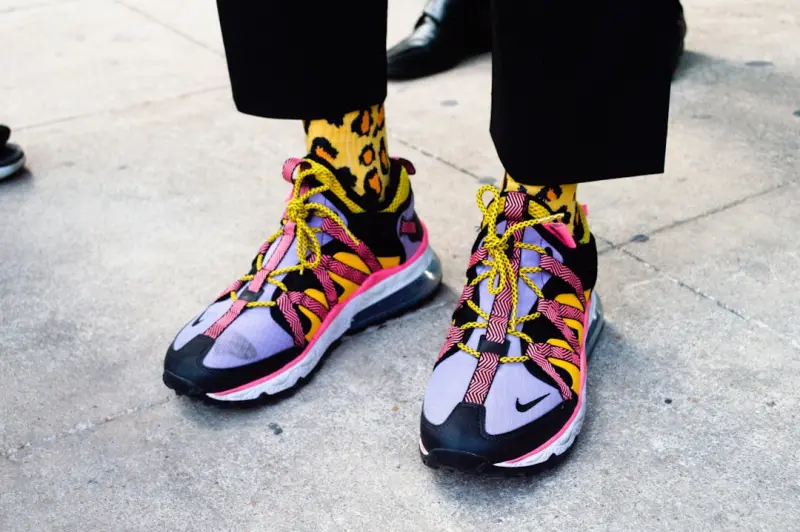
When Heritage Meets the Street: Reimagining Footwear Through Artisan Collaboration
A deep dive into the emerging synergy between traditional cobbler workshops and urban street‑wear ... Read More

When Sneakers Meet Sustainability: The New Frontier of Conscious Kicks
A deep dive into the rising trend of sustainable sneakers, covering innovative materials, circular s... Read More
Top Posts

Playful Futures: How Smart Toys Are Shaping Learning and Connection
A deep dive into how today’s toys blend sustainability, adaptive tech, and inclusive design to foster curiosity, social skills, and lifelong learning....Read More

The Dark Side of Gaming: How Online Gaming Affects Mental Health
Excessive online gaming can have negative effects on mental health, including anxiety, depression, and social isolation. Learn how to promote healthy gaming hab...Read More

Managed WordPress Hosting: The Secret Sauce for Seamless Growth
Managed WordPress hosting unlocks speed, security, and scalability, letting you focus on content and growth while experts handle the tech behind the scenes....Read More

The Impact of Technology on the Gaming Industry
The gaming industry has come a long way since the introduction of the first home console. Technology has played a significant role in shaping the industry, from...Read More
0 Comments
Post Comment
You will need to Login or Register to comment on this post!