
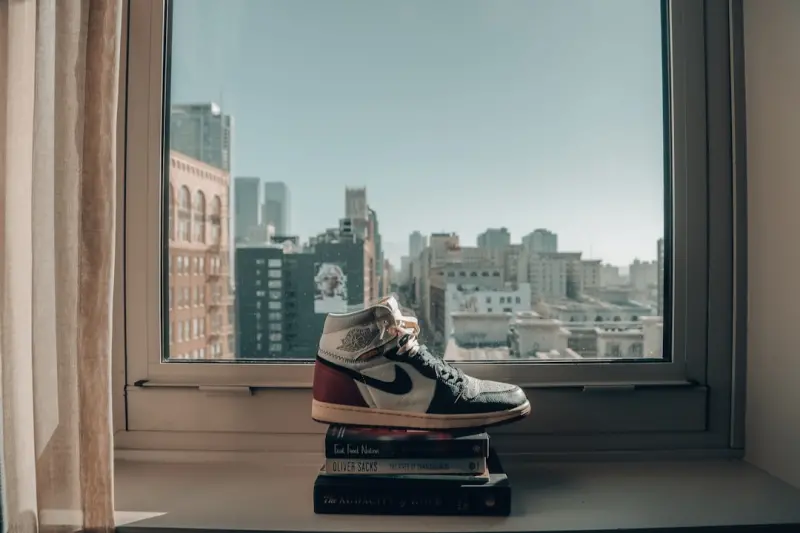
From Street‑Level Sneakers to Eco‑Chic Accessories: Rethinking the Future of Fashion
When I first walked into a pop‑up sneaker gallery in downtown Shanghai, I expected to see the usual hype‑driven rows of limited‑edition kicks. Instead, I found a quiet corner where a pair of high‑top sneakers rested on reclaimed bamboo planks, their laces woven from biodegradable fibers. The scene was a reminder that fashion is no longer a one‑dimensional sprint toward novelty; it’s a marathon where sustainability, technology, and personal narrative converge. In this post, I’ll walk you through three emerging currents that are reshaping shoes, accessories, and the way we curate our wardrobes.
1. The Rise of “Sneaker‑First” Wardrobes
For years, sneakers were relegated to the “casual” category, an afterthought to the polished leather loafers or sleek ankle boots that dominated boardrooms. Today, the sneaker has transcended its athletic roots and become a cornerstone of style for professionals, creatives, and even high‑society events. This shift is driven by three intertwined factors:
- Versatility through design language. Designers are borrowing tailoring cues—think minimal stitching, muted palettes, and subtle hardware—so that a sneaker can sit comfortably beside a tailored suit without breaking the visual flow.
- Comfort as a status symbol. The pandemic taught us that comfort isn’t just a convenience; it’s a statement of self‑care. Brands that champion ergonomic soles and adaptive fit technologies are now positioned as premium, not bargain.
- Community‑driven storytelling. Limited drops paired with immersive brand experiences (pop‑ups, AR try‑ons, and collaborative art installations) transform a purchase into a badge of belonging.
When these elements intersect, a sneaker becomes a canvas for personal expression, a conversation starter, and a practical work shoe—all at once. The result? A “sneaker‑first” wardrobe, where the most coveted piece is no longer a designer handbag but a pair of shoes that can carry you from a morning meeting to an evening gallery opening.
2. Sustainable Materials Are No Longer a Niche
Eco‑friendly fabrics used to live in the realm of “green‑label” collections, often priced out of reach for the average consumer. The narrative has changed dramatically. From mushroom leather to recycled ocean plastics, manufacturers are scaling up production while cutting costs. Here’s why the shift matters:
- Supply‑chain transparency. Blockchain‑based tracking lets shoppers see the journey of each component—from farm to foot—instilling trust and justifying premium pricing.
- Regenerative design. Companies are adopting circular models where shoes can be returned, disassembled, and reborn as new products, reducing landfill waste by up to 70%.
- Performance parity. Advances in material science mean that recycled polyester or plant‑based leathers now match, and sometimes exceed, the durability of traditional counterparts.
One standout example is a luxury sneaker line that uses AI‑driven design pitfalls to test stress points in prototypes before they hit the factory floor. By simulating months of wear in a virtual environment, designers can fine‑tune the use of recycled materials, ensuring that sustainability doesn’t sacrifice longevity.
3. Accessories as Digital Extensions
Accessories have always been the finishing touch—think a sleek watch or a bold handbag. In the digital age, they’re becoming extensions of our online personas. Smart jewelry, for instance, can display notifications discreetly, while RFID‑enabled bags can lock themselves when you walk away. This blend of fashion and function opens up fresh avenues for brand storytelling:
- Personalized aesthetics. Using data insights (yes, the same kind you’d find in designing multilingual e‑commerce experiences), brands can recommend accessories that complement your existing wardrobe, creating a seamless shopping journey.
- Hybrid physical‑digital events. Imagine a runway show where each model’s accessories are linked to an AR experience, allowing viewers to “try on” pieces in real time via their smartphones.
- Eco‑feedback loops. Some smart bracelets now track your carbon footprint based on the products you wear, nudging you toward greener choices without feeling preachy.
The convergence of fashion and tech doesn’t stop at novelty; it creates value. When a piece of jewelry can also serve as a health monitor, it justifies a higher price point and deepens brand loyalty.
4. Curating a “Conscious Capsule” Wardrobe
With endless options flooding the market, many consumers feel overwhelmed. The solution? A capsule wardrobe built around a few high‑impact pieces that can be mixed, matched, and layered. Here’s a step‑by‑step guide to building one that respects both style and the planet:
- Identify your core colors. Choose a neutral palette—think charcoal, ivory, and deep navy—that can serve as the foundation for any outfit.
- Invest in versatile footwear. A pair of sleek, sustainable sneakers should sit alongside a classic leather boot (opt for veg‑leather if you’re fully plant‑based).
- Select multipurpose accessories. A convertible bag that can transition from crossbody to tote, or a scarf made from recycled silk that adds texture without bulk.
- Prioritize quality over quantity. Look for pieces with repair-friendly construction—removable soles, reinforced stitching, and modular components.
- Refresh seasonally. Add one or two trend‑forward items each season—a bold cuff, a patterned shoe, or a limited‑edition accessory—to keep the wardrobe feeling fresh.
This approach reduces waste, saves money in the long run, and ensures that every piece you own feels intentional.
5. The Business Angle: How Brands Can Lead the Change
From a brand perspective, embracing these trends isn’t just about staying relevant; it’s a strategic imperative. Here are three actionable steps for fashion houses and emerging designers alike:
- Leverage data responsibly. Use anonymized consumer insights to predict demand for sustainable lines, minimizing overproduction. Transparency reports can reinforce trust.
- Collaborate across industries. Partner with tech firms to develop smart accessories or with material innovators to source cutting‑edge eco‑fibers.
- Tell a story that resonates. Shift marketing narratives from “look good” to “feel good” by highlighting the environmental impact of each product. Authentic storytelling drives deeper engagement.
By integrating these tactics, brands can turn sustainability from a buzzword into a core business driver, unlocking new revenue streams while championing responsible fashion.
6. Looking Ahead: The Future of Shoes and Accessories
What will the next decade hold for fashion, shoes, and accessories? Here are a few predictions that feel both exciting and plausible:
- Biodegradable sneakers as the norm. With advancements in plant‑based polymers, shoes that decompose safely after a set lifespan will become standard, reducing landfill contributions.
- Hyper‑customizable accessories. 3D‑printing on demand will let consumers order bespoke jewelry or bags that fit their exact dimensions, style preferences, and ethical standards.
- Seamless integration of AR. Shopping will evolve from static images to immersive experiences where you can see how a bag looks on you in a virtual mirror before buying.
These trends underscore a broader cultural shift: fashion is moving from a fast‑consumption model to one that values longevity, personal relevance, and planetary health.
Conclusion: Your Role in the Fashion Revolution
Whether you’re a designer, a retailer, or a shopper, you hold power in this transformation. By choosing sneakers that marry comfort with style, supporting brands that prioritize sustainable materials, and embracing accessories that blur the line between analog and digital, you become part of a movement that redefines what it means to be fashionable.
So next time you slip on a pair of eco‑friendly sneakers or click “add to cart” for a smart bracelet, remember: you’re not just buying a product—you’re casting a vote for a future where fashion respects both the individual and the planet.

Mei Chen is a dynamic professional who brings a unique blend of skills to Blogging Fusion. As a key contributor to the Blogging Fusion platform, she leverages her writing expertise to create engaging content that resonates with our audience.
Related Posts

The Quiet Revolution: How Sustainable Craft is Redefining Shoes and Accessories
A deep dive into the emerging blend of heritage craftsmanship and technology that’s turning shoes ... Read More
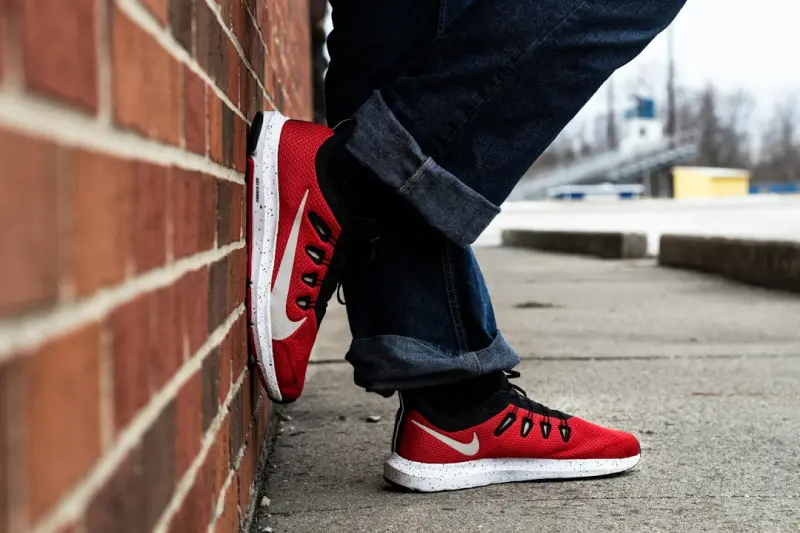
Modular Footwear: Swapping Style, Comfort, and Sustainability in One Step
Modular footwear lets you mix and match shoe components for style, comfort, and sustainability, offe... Read More
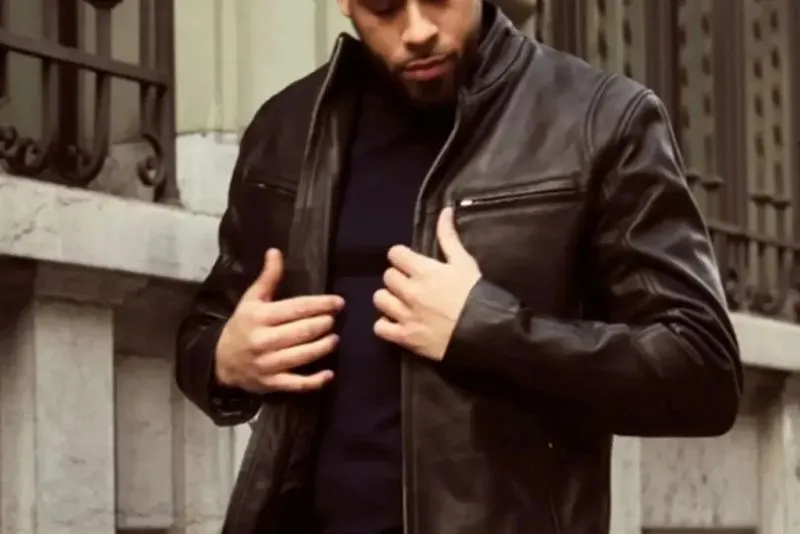
The Evolution of Jacket Styles: A Fashion Timeline
Explore the fascinating history of outerwear in our deep dive into the evolution of jacket styles. F... Read More
Top Posts

Web Development in 2024: Michelle Fisher’s Inside Look at the Hottest Trends
Michelle Fisher shares her frontline perspective on 2024’s web development wave, covering Jamstack, AI assistants, serverless, PWAs, and more—essential read...Read More

Unlocking the Hidden Power of Virtual Private Servers for SaaS Growth
A deep dive into how Virtual Private Servers blend dedicated control with cloud flexibility, delivering predictable costs, robust security, and scalable perform...Read More

Zero‑Waste Cleaning Rituals: A Practical Guide for Conscious Households
Learn how to replace toxic cleaners with simple, refillable solutions, build a reusable cleaning kit, and join community swaps to dramatically reduce household ...Read More
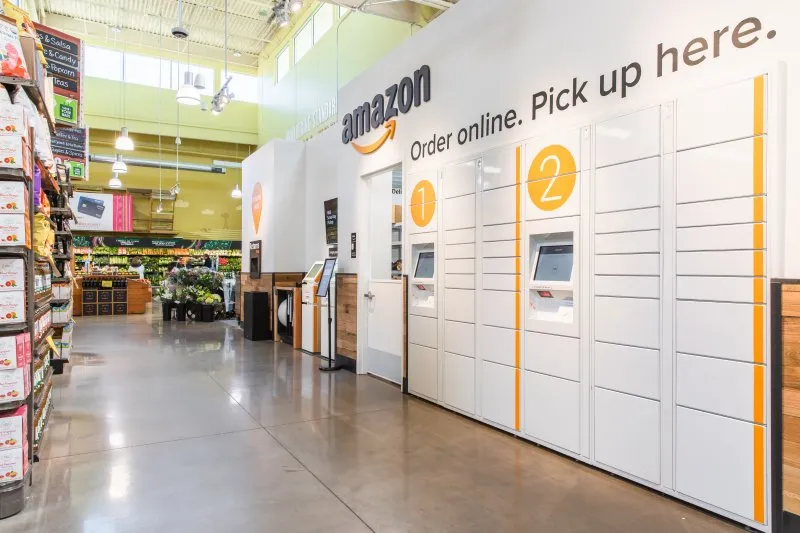
Amazon's Appeal and the Overall Convenience For Many Shoppers
In the vast landscape of modern commerce, few entities command as much attention and influence as Amazon. From its humble beginnings as an online bookseller to ...Read More
0 Comments
Post Comment
You will need to Login or Register to comment on this post!