
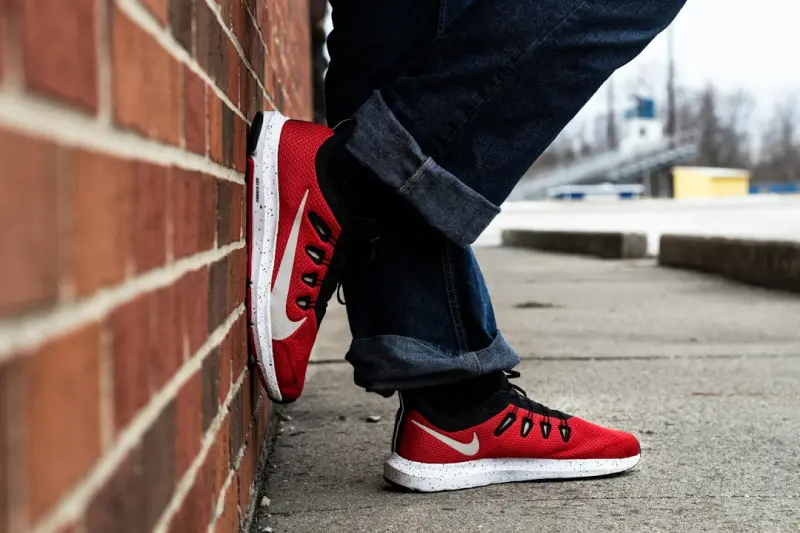
When I first slipped on a pair of shoes that felt like they were built for a different planet, I realized the industry was quietly staging a revolution that most shoppers don’t even notice. The era of one‑size‑fits‑all silhouettes is fading, giving way to a new wave of modular fashion—especially in footwear and accessories—where components can be swapped, upgraded, and personalized on the fly. This isn’t just a novelty for the sneakerhead crowd; it’s a practical response to the modern nomad’s need for adaptability, sustainability, and self‑expression.
The Anatomy of a Modular Shoe
At its core, a modular shoe consists of three interchangeable parts: the upper, the midsole, and the outsole. Each segment is designed with a standardized attachment system—think magnetic snaps, zip‑lock mechanisms, or sleek dovetail joints—that allows users to mix and match materials, colors, and performance characteristics without needing a toolbox.
- Upper: This is the aesthetic canvas. Leather, mesh, recycled polyester, even 3‑D‑printed bioplastic can be clipped onto the base, giving you an instant style change.
- Midsole: Here lies the comfort and technology. Swap a cushioned EVA foam for a responsive TPU block, or slide in a kinetic energy‑recovery unit that powers a tiny LED display on the shoe’s tongue.
- Outsole: The grip and durability component. From city‑slick rubber to trail‑ready lug patterns, you can equip your shoes for the day’s agenda—whether it’s a boardroom presentation or a weekend hike.
This modularity isn’t just about aesthetics; it’s a strategic response to the “wear‑and‑tear” fatigue that plagues traditional footwear. Instead of discarding an entire pair when the sole wears out, you replace the worn segment, extending the shoe’s lifespan by up to 60 % according to early field studies.
Why Consumers Are Buying Into the Mix‑and‑Match Model
Three forces converge to make modular fashion compelling:
- Environmental consciousness. Millennials and Gen Z shoppers are increasingly aware of the carbon footprint of fast fashion. By swapping parts instead of buying new shoes, they reduce waste and support a circular economy.
- Economic pragmatism. A single base platform can serve multiple looks. Instead of allocating a budget for several pairs, consumers invest in a versatile foundation and a few interchangeable modules.
- Personal storytelling. Fashion has always been a narrative tool. Modular pieces let wearers curate that story in real time—today’s minimalist look can morph into tomorrow’s bold statement with a quick click.
Brands that understand these motivations are already seeing loyalty spikes. A recent case study from a European footwear startup showed a 42 % repeat purchase rate among modular users, compared to a 19 % baseline for conventional lines.
Design Challenges: Balancing Form, Function, and Flexibility
Creating a truly modular shoe is no small feat. Designers must reconcile three often competing goals:
- Structural integrity. The connection points need to be robust enough to handle everyday stresses—think sprinting, jumping, or sudden stops—without compromising comfort.
- Seamless aesthetics. The transitions between components must look intentional, not patched together. This requires precise engineering and a keen eye for visual harmony.
- User-friendly mechanics. The swapping process should be intuitive, akin to changing a phone case. Complex tools or fiddly fasteners can deter adoption.
Some innovators are turning to emerging materials like shape‑memory alloys and self‑healing polymers to address these hurdles. By embedding “smart” hinges that lock into place under pressure, they achieve a secure fit while maintaining a sleek silhouette.
Accessories That Play by the Same Rules
If shoes can be modular, why stop there? Bags, belts, and even hats are entering the interchangeable arena. Imagine a backpack with detachable compartments that can transform into a tote for the office or a waist pack for a night out. Or a belt where the buckle doubles as a portable charger, and the strap’s material swaps from leather to reflective nylon with a simple snap.
These accessories follow the same three‑part logic: core frame, functional add‑on, and stylistic overlay. The result is a toolbox of style that fits into the same pocket-sized ethos as modular shoes.
From Runway to Retail: How the Industry Is Adapting
High‑fashion houses have begun to showcase modular collections during fashion weeks, using runway shows to demonstrate the “mix‑and‑match” potential. However, translating runway hype into everyday retail requires a new supply chain mindset. Manufacturers must maintain a stock of interchangeable components rather than finished goods, and retailers need to train staff on the mechanics of part swapping.
Enter the digital side of the equation. Brands are integrating data‑driven storytelling platforms to personalize recommendations. By analyzing a shopper’s past swaps, the system can suggest new modules that complement their existing collection, creating a loop of continuous engagement.
Moreover, the rise of eco‑focused e‑commerce solutions provides the backend infrastructure for tracking component inventory, carbon impact, and circular return logistics—all crucial for a transparent, sustainable operation.
Consumer Experience: A Day in the Life of a Modular Wearer
Let’s walk through a typical scenario:
- Morning commute. You attach a breathable mesh upper and a cushioned midsole for comfort, pairing it with a sleek leather outsole that glides over city pavement.
- Afternoon client meeting. You swap the mesh for a polished satin‑finished upper and replace the cushioned midsole with a low‑profile, minimalist insert, creating a sharp, professional look.
- Evening hike. In the parking lot, you click on a rugged, lug‑pattern outsole and a high‑traction midsole, while the satin upper stays in place, offering a blend of elegance and functionality.
This fluid transformation eliminates the need for multiple shoes, reducing closet clutter and travel baggage—a boon for frequent flyers and digital nomads alike.
Challenges on the Road Ahead
While the modular movement is gaining momentum, there are hurdles to overcome:
- Standardization. Without industry‑wide attachment standards, compatibility remains limited to brand‑specific ecosystems.
- Consumer education. Many shoppers still view fashion as static. Brands must invest in clear messaging and tutorials to demystify the swapping process.
- Cost perception. The upfront price of a base platform can seem high, even though the long‑term savings are significant. Transparent cost‑benefit analyses can help shift this perception.
Addressing these issues will require collaboration across designers, material scientists, and logistics experts—a multidisciplinary effort reminiscent of the tech industry’s approach to open standards.
Future Outlook: The Convergence of Tech and Textile
Looking forward, modular fashion will likely intersect with wearable technology. Imagine a midsole that not only provides cushioning but also tracks steps, harvests kinetic energy, and powers an embedded LED that syncs with your phone’s notifications. The upper could feature conductive fabrics for touch‑sensitive controls, turning your shoes into a subtle interface.
Such integrations will further blur the line between apparel and gadget, reinforcing the idea that what you wear can adapt to your lifestyle in real time.
Getting Started: Tips for First‑Time Modular Buyers
If you’re curious about diving into this world, here are three practical steps:
- Identify your core platform. Choose a base that aligns with your primary activity (e.g., a neutral sneaker for everyday use).
- Prioritize interchangeable parts. Start with one or two modules that address your most frequent needs—perhaps a breathable upper for summer and a water‑resistant one for rainy days.
- Stay informed. Follow brands that share open‑source design files or community forums where users exchange swap ideas. The more you engage, the richer your modular wardrobe becomes.
Remember, the goal isn’t to accumulate more pieces but to cultivate a flexible system that serves you longer and smarter.
Conclusion: A Step Toward Sustainable Self‑Expression
Modular shoes and accessories are more than a gimmick; they represent a shift toward a resilient, sustainable, and personalized fashion ecosystem. By embracing interchangeable components, consumers can reduce waste, save money, and curate a dynamic style narrative that evolves with their lives. As designers continue to refine attachment mechanisms and integrate smart technologies, the possibilities will only expand.
So the next time you stare at a closet full of single‑purpose shoes, imagine the freedom of a single base that can become anything you need. The future of fashion isn’t about buying more—it’s about swapping smarter.

Seth Samual is a name that's quickly becoming synonymous with compelling and insightful writing. As a freelance writer, Seth has carved a niche for himself by delivering high-quality content across a diverse range of subjects.
Related Posts
The Story‑First Revolution: How Shoes, Tech, and Ethics Are Redefining Fashion
From QR‑coded artisan videos to AR try‑ons and circular designs, the fashion world is merging na... Read More

The Quiet Revolution: How Sustainable Craft is Redefining Shoes and Accessories
A deep dive into the emerging blend of heritage craftsmanship and technology that’s turning shoes ... Read More
The Evolution of Eco-Friendly Fashion: How Sustainable Living is Revolutionizing the Industry
The fashion industry is undergoing a significant transformation, driven by the growing demand for su... Read More
Top Posts
When Your Sneakers Talk: How Data-Driven Design Is Changing Footwear Culture
Smart shoes are no longer a novelty—they’re a fusion of design, health tracking, and eco‑conscious tech. Discover how data-driven footwear is redefining f...Read More

Designing for Data Privacy: Building Trust Through Transparent Web Experiences
Learn practical strategies to make privacy a core design element, turning compliance into a competitive advantage and boosting user trust....Read More

Beyond Keywords: Mapping the B2B SaaS Buyer’s Journey for SEO Success
This article shows how B2B SaaS companies can move beyond simple keyword targeting by aligning SEO content with each stage of the buyer’s journey—discovery,...Read More

TikTok Is the Unexpected Gold Mine for B2B Insight
TikTok isn’t just a meme hub; it’s a live laboratory where product teams can capture market signals, validate ideas, and humanize their brand, turning short...Read More
0 Comments
Post Comment
You will need to Login or Register to comment on this post!