
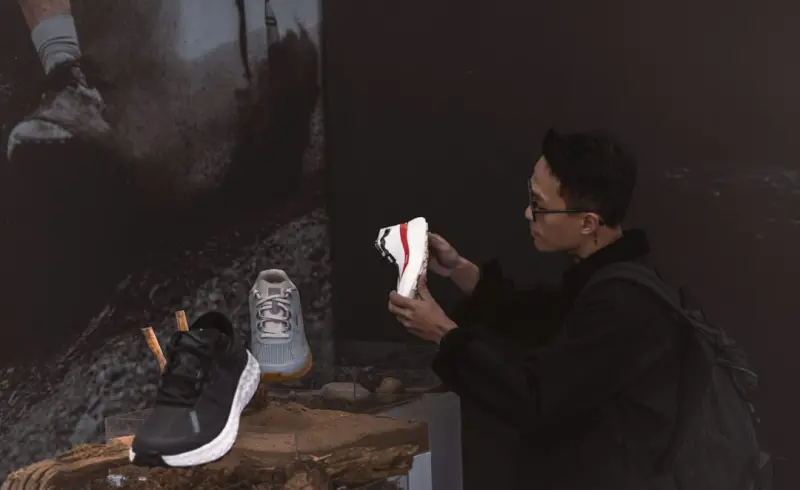
When I first slipped on a pair of vintage leather ankle boots at a downtown thrift market, I felt a quiet thrill that’s hard to describe. It wasn’t just the buttery softness of the leather or the subtle scent of bygone streets; it was the sense of stepping into a story that was already half‑written. Fashion, for me, has always been a conversation between past and future, between the tactile and the digital, and lately that dialogue has taken on a new, electrifying rhythm.
The Rise of the “Story‑First” Shoe
We’ve all seen the hype around limited‑edition drops, influencer‑curated collections, and hype‑beast sneakers that sell out before the first pair even sees the light of day. What’s different now is the narrative layer that brands are weaving directly into the product. No longer is a shoe just a shoe; it’s a chapter in a larger brand saga.
Take, for example, the resurgence of handcrafted loafers that come with a QR code stitched inside the heel. Scan it, and you’re taken to a short documentary about the artisan who shaped the leather, the sustainable tannery they work with, and even a playlist that inspired the design. This story‑first approach transforms the act of purchase into a moment of connection, turning a fleeting trend into a lasting relationship.
From Physical to Pixel: AR Try‑On Becomes Mainstay
Augmented reality (AR) is no longer a novelty reserved for high‑tech gadget reviewers. Brands are now embedding AR try‑on experiences directly into their e‑commerce platforms, allowing shoppers to see how a pair of chunky platform sandals looks on their own feet without ever stepping foot in a store. The technology has matured to the point where it can adjust for lighting, foot shape, and even the subtle sway of a gait.
What’s fascinating is how this technology is democratizing fashion. A boutique in a small Midwestern town can now offer the same immersive experience as a global powerhouse in Paris. The result? Consumers feel empowered, and the dreaded “fit anxiety” that plagues online shoe shopping is finally being addressed.
Transparency Isn’t Just for Food Anymore
When I read an article about ingredient transparency in the kitchen, I realized the same principle is reshaping how we view footwear and accessories. Shoppers now demand to know where every stitch comes from, the carbon footprint of each dye, and whether the labor practices behind their favorite bag are ethical.
Brands are responding by publishing detailed “material passports.” These digital documents list every component of a product—from the recycled polyester in a bomber jacket to the ethically sourced cork in a summer sandal sole. It’s a brave new world where the back‑of‑the‑label is as important as the front, and where authenticity is quantified, not just claimed.
The Circular Economy: From “Fast Fashion” to “Forever Fashion”
Fast fashion’s downfall is becoming a cautionary tale for the industry. In its place, the circular economy is emerging, championing designs that are meant to be disassembled, refreshed, and reborn. Imagine a sleek leather boot with a detachable heel, allowing you to swap it for a more casual sneaker sole when the season changes.
Companies are experimenting with subscription services that let you rent a curated wardrobe, swap pieces monthly, and return them for a thorough, eco‑friendly refurbishment. This model not only reduces waste but also satisfies the modern consumer’s craving for variety without the guilt of overconsumption.
Digital Fashion: The Metaverse Closet
While the metaverse may still feel like a buzzword, its impact on fashion is already tangible. Digital garments—clothing that exists solely as 3D models—are being sold alongside physical pieces. For many, purchasing a virtual pair of designer sneakers for their avatar is an act of self‑expression as real as buying a physical pair.
What’s more, these digital items can be “worn” on social media platforms, turning a simple Instagram story into a runway. Brands are leveraging this by releasing limited‑edition NFTs that double as both a digital asset and a voucher for a physical counterpart, blurring the line between virtual and real-world fashion.
Privacy Meets Personalization
In an era where data breaches dominate headlines, the fashion industry faces a paradox: to personalize experiences, brands need data—but they must also protect it. This tension is being navigated through privacy‑first strategies that embed security into the very fabric of their digital platforms.
Imagine a shopping app that remembers your size and style preferences without ever storing that information on a central server. Instead, the data lives encrypted on your device, shared only when you choose to. This approach builds trust, turning privacy into a competitive edge rather than a compliance hurdle.
Craftsmanship in the Age of Automation
Automation is revolutionizing manufacturing, but it’s also sparking a renaissance of handcrafted details. While robots excel at producing perfectly uniform soles, they can’t replicate the nuanced pressure of a master cobbler hand‑stitching a welt. Brands are now adopting a hybrid model: using machines for efficiency, then passing pieces to artisans for the final touches.
This collaboration produces products that are both high‑quality and scalable, allowing smaller houses to compete with larger conglomerates without sacrificing their signature artisanal touch.
Color Trends: The Psychology Behind the Palette
Color isn’t just a visual choice; it’s a psychological statement. Recent studies show that muted earth tones evoke feelings of stability and grounding, while bold neon accents trigger excitement and confidence. Designers are now using data from mood‑tracking apps to inform seasonal palettes, ensuring their collections resonate on an emotional level.
For shoppers, this means the color of your next handbag might be chosen not just because it matches your outfit, but because it aligns with your current emotional state—a subtle, yet powerful, form of self‑care.
Footwear Technology: Beyond Aesthetics
Smart shoes are no longer a novelty. Embedded sensors can monitor stride, pressure points, and even posture, sending real‑time feedback to your phone. Athletes use this data to improve performance, but the technology is trickling down to everyday wear. Imagine a pair of stylish loafers that alert you when you’ve been standing too long, nudging you to stretch.
Such innovations marry fashion with wellness, turning accessories into health allies without compromising on style.
Conclusion: The Future Is a Blend of Story, Tech, and Ethics
Fashion, shoes, and accessories are at a crossroads where narrative, technology, and responsibility intersect. The days of buying a product in a vacuum are behind us; today’s consumer expects a story, a purpose, and an experience that extends beyond the checkout page. As designers, brands, and shoppers, we are co‑authoring a new chapter—one where each stitch, pixel, and policy matters.
So the next time you slide into a fresh pair of sneakers, take a moment to look beyond the surface. Ask yourself: Who made this? What journey did it travel? How will it serve me today, and how will it be cared for tomorrow? In those questions lies the true excitement of fashion’s next evolution.

When it comes to the world of blogging and writing, Rose DesRochers is a name that stands out. Her passion for creating quality content and connecting with her audience has made her a trusted voice in the industry. Aside from her skills as a writer and blogger, Rose is also known for her compassionate nature.
Related Posts
Sneaker Revival: How Vintage Kicks Are Redefining Sustainable Style
Explore the rise of vintage sneakers, from eco‑friendly resale to modern styling tips, and learn h... Read More
Step Into Signature Style: Curate Your Perfect Shoe Wardrobe
A fresh look at building a shoe wardrobe that balances daring designs with comfort and eco‑friendl... Read More

The Evolution of Eco-Friendly Fashion: How Sustainable Living is Revolutionizing the Industry
The fashion industry is undergoing a significant transformation, driven by the growing demand for su... Read More
Top Posts

The Quiet Power of Conversational Email: Turning Inboxes into Communities
Discover how treating email as a conversation, leveraging AI, and focusing on behavior over demographics can revitalize your newsletters and build loyal inbox c...Read More

Data‑Driven Storytelling: Turning SaaS Metrics into Magnetic Marketing
In this post, Tyler Johnson shows B2B SaaS marketers how to harvest product and customer data, craft human‑centric stories, and distribute them across the rig...Read More
The Hidden Psychology Behind On-Page SEO: Leveraging Human Attention for Better Rankings
Explore the cognitive biases that influence search rankings and get practical, brain‑backed tactics for headlines, schema, internal linking, and page speed th...Read More

How Digital Tools Are Redefining Modern Weddings and Anniversaries
A deep dive into how cloud collaboration, immersive tech, and data-driven planning are revolutionizing weddings and anniversaries for couples and vendors alike....Read More
0 Comments
Post Comment
You will need to Login or Register to comment on this post!