

When I first unpacked my suitcase in a new apartment, the blank walls felt like an unfinished manuscript—ready for chapters, footnotes, and a few bold headlines. Over the years, I’ve learned that home decor isn’t just about arranging objects; it’s about turning everyday spaces into a living narrative that reflects who we are, where we’ve been, and where we hope to go.
1. Start with a Personal “Chapter” – The Story Behind the Space
Every room has a purpose, but the best rooms have a purpose that aligns with a personal story. I remember the first time I placed a vintage suitcase on my hallway console. It wasn’t just a decorative piece; it was a reminder of the countless journeys that shaped my outlook. When you choose a focal object that holds meaning—whether it’s a travel memento, a family heirloom, or a piece of art you created yourself—you set a tone that invites the rest of the décor to speak in the same language.
Tip: Pick one item that sparks an emotion and build the surrounding palette around it. This creates a cohesive visual thread without feeling contrived.
2. Layer Textures Like You Layer Memories
Textures can be the tactile equivalent of a memory’s depth. I love the sensation of a chunky knitted throw draped over a sleek leather sofa—it juxtaposes softness with structure, much like the contrast between a bustling city street and a quiet park bench. To achieve this balance, consider mixing:
- Natural fibers – linen, wool, jute; they bring an earthy, grounding vibe.
- Glossy finishes – polished wood, lacquered metal; they add a sense of modernity.
- Handcrafted pieces – woven baskets, hand‑painted ceramics; they inject personality.
When the textures harmonize, the room feels lived‑in, not staged.
3. Curate Color with Emotion, Not Trend
Most design magazines chase the “season’s hue,” but I prefer to let mood dictate palette. A soft, muted teal can evoke calm seas, perfect for a meditation corner, while a deep amber might recall the glow of an evening sunrise, ideal for a reading nook. To avoid the trap of fleeting trends, test paint swatches on multiple walls and observe how the light changes throughout the day. Remember: Color is the first emotional cue a visitor receives.
4. Bring the Outdoors In – The Quiet Power of Greenery
Plants are the unsung storytellers of a home. A tall fiddle leaf fig can stand as a silent sentinel, while a cluster of trailing pothos whispers about resilience. I strategically place greenery in corners that need a visual lift, using decorative pots that echo the room’s material palette. If space is limited, a hanging terrarium becomes a floating narrative element—both functional and sculptural.
For those who crave low‑maintenance options, succulents in reclaimed wood planters not only conserve water but also echo the sustainability ethos that many of us cherish.
5. The Art of “Visible Storage” – Showcasing Functionality as Design
While many articles celebrate hidden compartments, I find magic in making storage part of the décor story. Open shelving lined with neatly folded textiles, or a vintage metal locker repurposed as a magazine rack, tells a tale of intentional organization. By treating storage as a visual asset, you invite curiosity and conversation.
Check out this inspiring example of blending practicality with style: Invisible Storage Solutions for Stylish Homes. It shows how subtle design cues can keep clutter at bay while keeping the aesthetic intact.
6. Personalize with DIY Artifacts – Your Hands, Your Narrative
Nothing says “you” more than a piece you created. I once turned old travel postcards into a collage wall that mapped my favorite destinations. The process was as rewarding as the final display. Here are three quick DIY ideas that can transform everyday items into meaningful decor:
- Pressed flower frames – Collect blooms during a spring walk, press them, and frame the arrangement for a seasonal touch.
- Hand‑stamped linens – Use fabric paint and custom stamps to add personal motifs to pillowcases or tablecloths.
- Upcycled glass jars – Paint or wrap them in twine to create rustic candle holders or spice containers.
These projects not only add character but also embed a piece of your labor into the space, making every glance a reminder of effort and intention.
7. Sound as a Design Element – Crafting Acoustic Comfort
We often overlook sound, yet it profoundly affects how a room feels. I installed fabric‑wrapped acoustic panels behind my home office desk, turning a potentially echoey space into a focused sanctuary. The panels, dressed in muted earth tones, double as wall art. If you’re hesitant about overt panels, consider using thick, patterned rugs or layered curtains—both absorb noise and contribute to visual warmth.
8. Celebrate Cultural Roots – Global Influences at Home
Our backgrounds are rich reservoirs of visual language. Incorporating elements that echo cultural heritage—whether a hand‑woven rug from Morocco, a Japanese shoji screen, or a Mexican Talavera tile—creates a layered narrative that honors ancestry while educating visitors. I paired a set of hand‑painted Mexican tiles with a sleek, minimalist kitchen to juxtapose tradition and modernity, resulting in a dialogue that feels both grounded and progressive.
9. The Power of Light – Sculpting Atmosphere
Lighting is the invisible brush that paints mood onto walls. I prefer a three‑layer lighting strategy:
- Ambient lighting – Soft ceiling fixtures or recessed LEDs that provide overall illumination.
- Task lighting – Adjustable desk lamps or under‑cabinet lights for functional spaces.
- Accent lighting – Directional spotlights that highlight artwork, shelves, or architectural features.
Warm LED bulbs with a color temperature around 2700K mimic sunset tones, fostering relaxation after a long day. For a touch of drama, a dimmable chandelier can become a centerpiece that shifts with the evening’s rhythm.
10. Integrating Technology Subtly – When Function Meets Form
Technology doesn’t have to clash with a curated aesthetic. I concealed smart speakers inside decorative wooden boxes, allowing voice control without compromising visual harmony. Similarly, a sleek wall‑mounted charging station can double as a modern sculpture. The key is to hide the wires and choose devices that blend with the room’s material palette.
11. Curating a “Living Library” – Books as Decorative Assets
A bookshelf is more than storage; it’s a visual statement. I arrange books by color gradient, interspersed with sculptures, plants, and travel souvenirs. This approach turns reading material into a chromatic backdrop, while the inserted objects break monotony and invite exploration.
12. Sustainable Choices – A Commitment to the Planet and Your Space
Eco‑consciousness can be woven into décor without sacrificing style. I source reclaimed wood for coffee tables, choose organic cotton for upholstery, and prioritize low‑VOC paints. For inspiration on sustainable design, the piece Eco‑Play Revolution: The Shift to Biodegradable Toys showcases how thoughtful material selection can transform everyday objects into environmentally friendly treasures.
13. Flexible Spaces for Multigenerational Living
Many families now share homes across generations, requiring adaptable rooms. A modular sofa with removable sections can shift from a communal lounge to a quiet reading nook. Sliding panels allow a single room to become a private office when needed. By selecting furniture that can be reconfigured, you future‑proof the décor against shifting household dynamics.
14. The Finishing Touch – Scent and Sensory Layers
Our sense of smell is a powerful memory trigger. I diffuse a gentle lavender‑citrus blend in my living area, which instantly lifts my mood. Pairing scent with tactile elements—like a plush throw or a smooth stone coaster—creates a multisensory environment that feels fully immersive.
15. Maintaining the Narrative – Routine Refreshes
Just as a story evolves, so should your home. Schedule quarterly “design reviews” where you assess each room’s relevance to your current life stage. Swap out seasonal décor, rotate artwork, or introduce a new texture to keep the space feeling fresh. This practice ensures that your home remains a dynamic, living manuscript rather than a static tableau.
In the end, home decor is less about adhering to fleeting trends and more about curating a space that tells your unique story. By grounding each design decision in personal meaning, texture, color, and sustainable practice, you create an environment that nurtures both the body and the soul. Let your walls whisper, your textures sing, and your objects stand as chapters in the ever‑unfolding tale of your life.

Mei Chen is a dynamic professional who brings a unique blend of skills to Blogging Fusion. As a key contributor to the Blogging Fusion platform, she leverages her writing expertise to create engaging content that resonates with our audience.
Related Posts
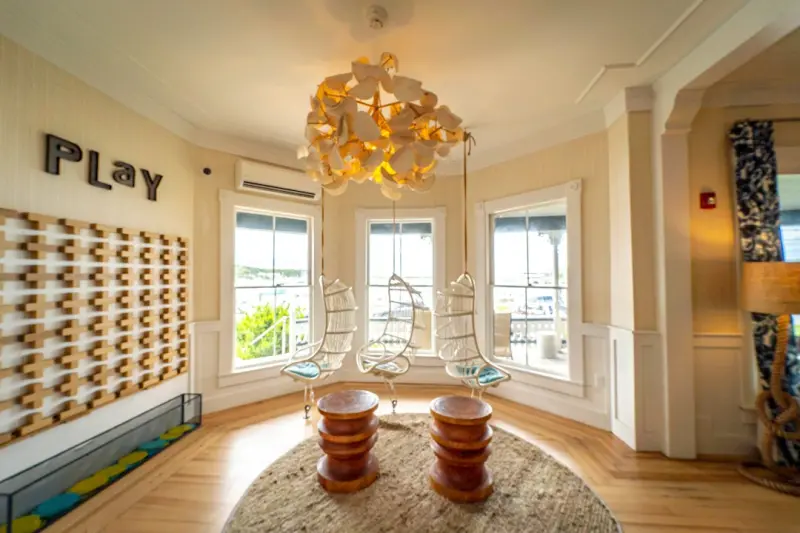
Sensory‑Rich Home Decor: Touch, Sound, and Scent Transform Your Space
Discover the rise of sensory‑rich home decor, where texture, sound, and scent work together to cre... Read More
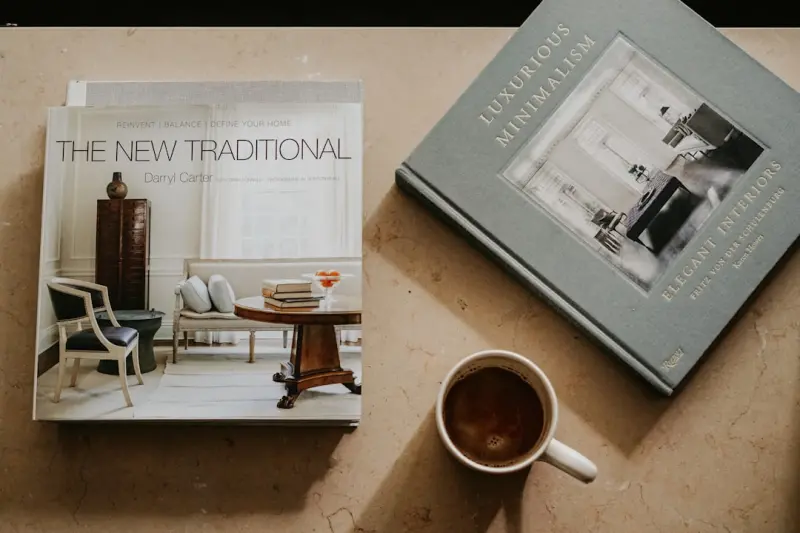
Creating a Slow‑Living Home: Timeless Decor Tips for Everyday Calm
Explore the art of slow‑living home decor, from layered textures and nature‑infused design to ha... Read More

Curating a Home That Speaks: Sensory Storytelling in Interior Design
Explore the art of sensory storytelling in home decor, where sound, smell, texture, and light combin... Read More
Top Posts

The Intersection of Web Design and Sustainable Living: A New Era of Eco-Friendly Innovation
The web design industry has a significant carbon footprint, but by making a few simple changes to our design approach, we can significantly reduce the environme...Read More

The Slow‑Living Path to Safer Digital Spaces
A deliberate, slow‑living approach to security creates deeper resilience, reduces hidden risks, and fosters a culture where safety thrives over speed....Read More

Link Building in the Age of Relationship Marketing
A modern guide to earning backlinks by building genuine partnerships, leveraging podcasts, community events, original research, and interactive tools for sustai...Read More

Zero‑Trust WordPress Security: A Practical Playbook for Modern Sites
A step‑by‑step zero‑trust playbook for WordPress, covering passwordless authentication, plugin micro‑segmentation, real‑time threat detection, and fut...Read More
0 Comments
Post Comment
You will need to Login or Register to comment on this post!