
The unexpected boom of audio‑first social platforms
When I first heard the phrase “audio‑first social,” I imagined a niche podcast forum where only the most vocal marketers gathered. Fast‑forward a few months, and I’m logging into LinkedIn Audio rooms, Clubhouse lounges, and Twitter Spaces every day to listen to industry peers riff on everything from AI ethics to brand storytelling. The shift isn’t a fleeting trend; it’s a structural change in how professionals consume content and, more importantly, how they decide who to trust.
For B2B SaaS marketers, the implication is huge. In a world saturated with text‑heavy posts, infographics, and endless video reels, an audio conversation cuts through the noise by offering immediacy, authenticity, and a human touch that static content can’t replicate. It’s the difference between reading a press release and hearing the CEO’s voice crack with genuine excitement during a live Q&A.
Why B2B brands should sit up and listen
First, audio platforms lower the friction for participation. Listeners can tune in while commuting, cooking, or even running a quick workout. That multitasking ability expands your reach beyond the traditional “office‑hour scrolling” window. Second, the conversational format invites spontaneous interaction. When a prospect raises a hand in a LinkedIn Audio session, you have an instant, real‑time opportunity to address objections, demonstrate expertise, and humanize your brand.
But the real kicker is data. Each session generates rich metadata—who joined, how long they stayed, which moments sparked the most engagement. Those intent signals are pure gold for refining your ABM strategy. As I’ve learned from why intent signals are the new currency in search engine marketing, understanding what your audience cares about in real time lets you pivot your messaging before the next quarterly review.
Crafting a compelling audio‑first strategy
1. Identify the “conversation sweet spot.” Not every product discussion belongs in a public audio room. Focus on topics that solve a pain point or showcase a unique use‑case. For my team, the sweet spot has been “building scalable onboarding experiences with low‑code tools.” When we frame the conversation around a concrete challenge, we attract the right decision‑makers.
2. Invite the right voices. Authenticity stems from diversity of perspective. Pair a product manager with a happy customer, sprinkle in a thought leader, and you have a dynamic that feels less like a sales pitch and more like a mastermind roundtable. I’ve found that when a customer shares a short success story, the audience’s trust spikes dramatically.
3. Design the flow like a mini‑episode. Even a 20‑minute room benefits from an intro, a problem statement, a deep‑dive, and a clear call‑to‑action. Think of it as a podcast episode, but live. A quick recap at the end reinforces key takeaways and gives listeners a reason to follow up.
4. Leverage AI‑assisted transcriptions. While the audio experience is live, the post‑event assets multiply your reach. Transcriptions can be repurposed into blog posts, LinkedIn articles, or even SEO‑friendly snippets. This is where turning conversational AI into your next SEO superpower becomes more than a buzzword—it’s a practical workflow that fuels both discovery and authority.
Measuring impact with data‑driven tools
Traditional social metrics—likes, shares, comments—don’t capture the depth of engagement audio provides. Instead, I track:
- Attendance retention. How many listeners stay for 75% of the session?
- Engagement peaks. Identify moments when the chat spikes, then map those to topics.
- Post‑session actions. Click‑throughs to a landing page, demo requests, or content downloads.
- Sentiment analysis. Using AI tools to gauge the tone of live comments can highlight emerging concerns.
When you overlay this data with your existing analytics stack, you start seeing a holistic view of the buyer journey. I often cross‑reference audio metrics with the insights from unlocking the hidden power of Google Analytics for B2B SaaS growth. For example, a surge in “time on page” after an audio session can confirm that the conversation resonated and drove deeper research.
Common pitfalls and how to dodge them
Pitfall #1: Treating the room like a webinar. Audiences can smell a rehearsed pitch a mile away. Keep the tone conversational, encourage spontaneous questions, and avoid slide‑heavy presentations.
Pitfall #2: Ignoring the “afterglow.” The real value often lies in the follow‑up. Send a thank‑you note, share the transcription, and propose a next step. Neglecting this step turns a promising lead into a missed opportunity.
Pitfall #3: Overlooking accessibility. Not everyone can listen in real time. Provide on‑demand recordings with captions to broaden your audience and meet compliance standards.
By planning for these challenges upfront, you protect the integrity of your brand and ensure the conversation remains a two‑way street.
Future‑proofing your social playbook
Audio‑first isn’t a silo; it’s a bridge to emerging formats like immersive spatial audio and AI‑generated voice assistants. As voice‑activated search grows, the language you use in live discussions will echo in search results. This means the storytelling techniques you master today will power tomorrow’s voice‑first discovery.
My next experiment is integrating a “voice‑bot” that can field follow‑up questions after a live session, feeding the conversation into a CRM pipeline automatically. Imagine a prospect asking, “Can I see a demo?” and the bot instantly schedules a meeting while capturing intent data. The synergy between live audio and AI automation could become the next competitive moat for B2B marketers.
In short, the audio wave is still rising, and the early adopters are already seeing higher qualified lead rates, stronger brand affinity, and richer data signals. If your social strategy still leans heavily on static posts, you’re missing out on the most human part of digital interaction—voice.
So, the next time you schedule a product launch or thought‑leadership piece, consider adding an audio‑first layer. Turn that conversation into a measurable asset, and watch your brand’s credibility echo far beyond the room.

Amanda is a passionate writer exploring a kaleidoscope of topics from lifestyle to travel and everything in between.
Related Posts

The Impact of Social Media on Mental Health: A Marketer's Perspective
As a social media marketer, I've always been fascinated by the way social media platforms can shape ... Read More
The Ultimate Guide to LinkedIn Ads and Dimensions
In the bustling digital landscape, where attention is a fiercely competed commodity, LinkedIn stands... Read More

Why Short‑Form Video Is the New Powerhouse for B2B Social Media
Short‑form video is reshaping B2B social media by delivering rapid, AI‑assisted content that cap... Read More
Top Posts

Why outdoor sports are good for kids
Discover the life-changing benefits of outdoor sports for children, including physical health, emotional stability, and social growth. Learn how encouraging act...Read More

Synthetic Data: Fueling the Next Wave of Enterprise AI
Synthetic data offers a cost‑effective, privacy‑preserving way to train AI models, allowing SaaS companies to accelerate development, reduce risk, and drive...Read More
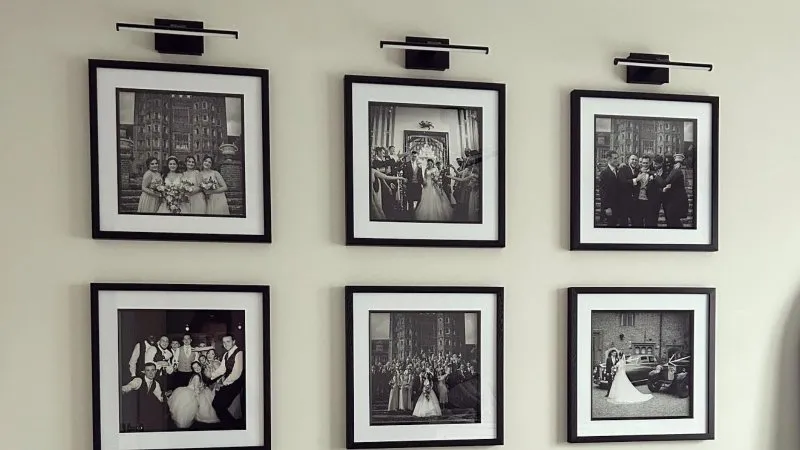
Light Up Your Home With New Wall Art
The art of home decoration is not just about filling up empty spaces with objects; it's about creating a unique ambiance that reflects your personality and enha...Read More
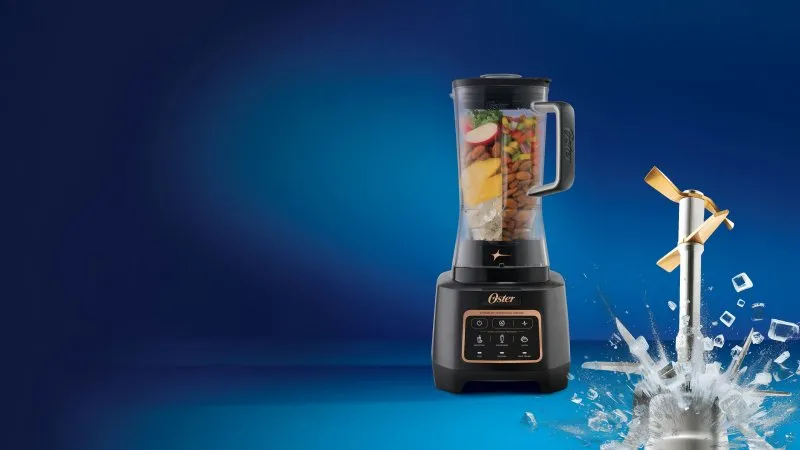
What Makes Oster Blenders So Special
In the bustling landscape of modern kitchen appliances, where innovation often prioritizes fleeting trends, some brands distinguish themselves through a steadfa...Read More
0 Comments
Post Comment
You will need to Login or Register to comment on this post!