
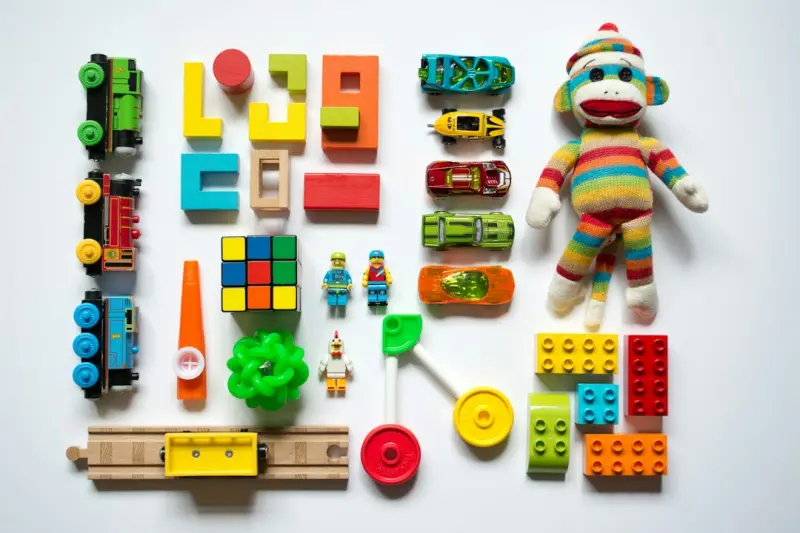
When I was a kid, the sound of a new toy being unwrapped was as thrilling as the first click of a computer booting up. Today, that excitement is tinged with a new kind of responsibility: the knowledge that many of those plastic treasures will linger in landfills for centuries. The rise of biodegradable toys isn’t just a buzzword; it’s a cultural pivot that merges childhood wonder with the urgent need for environmental stewardship.
Why Biodegradable Matters More Than Ever
We’ve all heard the statistics—millions of tons of plastic waste ending up in oceans each year, micro‑plastics infiltrating our food chain, and the carbon footprint of petroleum‑based manufacturing ballooning. For toys, the impact is stark: the average child in the United States goes through an estimated 12,000 plastic toys before reaching adulthood. That’s a staggering amount of synthetic material that rarely returns to the earth in a useful form.
Beyond the environmental calculus, there’s a psychological shift happening among parents and educators. Kids are becoming more inquisitive about the origins of the objects they play with. When a child asks, “What’s this made of?” the answer now carries weight. A biodegradable toy can spark conversations about ecology, science, and responsibility—turning playtime into an early lesson in sustainability.
Materials Making the Change
Biodegradable doesn’t mean “any old plant fiber.” The industry is converging on a handful of high‑performance, child‑safe materials that meet both regulatory standards and the tactile expectations of play:
- Polylactic Acid (PLA): Derived from fermented corn starch, PLA offers the rigidity of traditional plastics while breaking down under industrial composting conditions within 90 days.
- Cellulose‑Based Composites: Reinforced with bamboo or hemp fibers, these composites provide strength for building blocks or action‑figure accessories and decompose naturally in soil.
- Mycelium Foam: Grown from mushroom roots, this material is gaining traction for plush toys and cushioning, offering a carbon‑negative production cycle.
- Recycled Plant‑Based Plastics: Some innovators blend post‑consumer plant waste with biodegradable polymers, creating a closed‑loop system that reduces landfill input.
These materials are not only eco‑friendly but also adaptable. They can be dyed with natural pigments, molded with precision, and even incorporated with embedded electronics that degrade safely—a crucial consideration as toys become smarter.
Design Principles for Eco‑Play
Creating a biodegradable toy isn’t just about swapping one material for another; it requires a holistic design philosophy that respects the lifecycle of the product. Here are three guiding principles I’ve observed in the most successful eco‑toy launches:
- Modular Simplicity: Designing parts that can be separated for recycling or composting extends the toy’s usefulness and reduces waste.
- Durability Meets Degradability: The toy must withstand the rigors of play but also be engineered to break down once it reaches the end of its functional life. Engineers are using timed‑release coatings that protect the product during use but dissolve in compost environments.
- Storytelling Integration: Brands that embed an environmental narrative—like a “grow‑your‑own‑garden” kit that literally sprouts after the toy is discarded—create emotional attachment that reinforces sustainable values.
Consumer Demand and Market Trends
According to a recent Nielsen study, 71% of parents say they are willing to pay a premium for toys that are environmentally responsible. This is not a niche market; it’s a mainstream demand that’s reshaping supply chains. Retail giants are allocating shelf space for “green” categories, and e‑commerce platforms are featuring dedicated filters for biodegradable products.
Interestingly, the surge isn’t limited to new toys. The Sensory Subscription Box Boom has shown how recurring revenue models can integrate sustainable items, delivering fresh, compostable play kits each month. While that trend focuses on sensory development, it illustrates a consumer appetite for recurring, low‑waste experiences—a model that biodegradable toy manufacturers are beginning to emulate.
Challenges and Opportunities
Transitioning to biodegradable toys isn’t without hurdles:
- Cost Structure: Bio‑based polymers can be 20‑30% more expensive than conventional plastics, challenging price‑sensitive markets.
- Infrastructure Gaps: Not all municipalities have industrial composting facilities capable of processing PLA or mycelium.
- Regulatory Compliance: Toys must meet rigorous safety standards (ASTM, EN71), and new materials often require additional testing to certify non‑toxicity.
However, each obstacle is a doorway to innovation. Start‑ups are partnering with local composting programs to create “take‑back” schemes, turning a logistical challenge into a brand loyalty enhancer. Governments are also offering tax incentives for companies that meet zero‑waste certifications, gradually narrowing the cost gap.
Case Studies of Brands Leading the Way
Several pioneers have already proven that biodegradable toys can be both beloved and profitable:
- GreenPlay Co.: Their flagship line of building blocks, made from PLA infused with natural dyes, sold out within weeks of launch. They partnered with a national retailer to include a QR code on the packaging linking to a local composting guide.
- MycoMates: Using mycelium foam, they created a plush “forest creature” that children can plant in soil after play. Within three months, the toys sprouted small seedlings—a literal embodiment of growth and renewal.
- Eco‑Tech Toys: They blended biodegradable plastics with removable electronic modules, allowing the tech component to be recycled separately while the body composts. Their “Smart Garden” series has been highlighted in Playful Futures for its innovative approach.
What Parents Can Do Right Now
If you’re eager to join the eco‑play movement, here are actionable steps that don’t require a massive overhaul of your household:
- Read labels: Look for certifications such as “EN 71‑3” combined with “Compostable” symbols.
- Support brands with transparent supply chains—many post their material sourcing data online.
- Participate in take‑back programs: Some manufacturers offer prepaid shipping to return used toys for proper composting.
- Educate your kids: Turn the disposal process into a mini‑science experiment—watch the toy break down over weeks in a compost bin.
Looking Ahead: The Future of Play
The convergence of biodegradable materials, smart design, and conscious consumerism signals a new era for the toy industry. As we continue to embed technology into play, the next frontier will likely be bio‑electronics—devices that not only degrade safely but also return nutrients to the soil. Imagine a robot dinosaur that, after its battery life ends, breaks down into a nutrient‑rich mulch for a garden.
In the same way that Micro‑Frontends redefined software architecture by breaking monoliths into manageable pieces, biodegradable toys are deconstructing the monolithic plastic paradigm into modular, earth‑friendly components. The shift is more than a trend; it’s a re‑engineering of how we view the lifecycle of the objects that shape our children’s imaginations.
Ultimately, the legacy we leave isn’t measured by how many toys we produce, but by the quality of the world those toys inhabit. By choosing biodegradable, we give the next generation the freedom to imagine, explore, and grow—without the burden of permanent waste.

Dale Peterson is a freelance writer with a passion for technology, travel, law and personal finance. With 10 years of experience crafting compelling and informative content, he's dedicated to delivering high-quality writing for Blogging Fusion that engages audiences and achieves specific goals.
Related Posts
The Importance of Sustainable Toys in Modern Times
Sustainable toys are an essential part of a more eco-friendly future. Learn how eco-friendly toys ca... Read More
Playful Prototyping: How Toys Fuel Business Innovation
Discover how integrating physical toys into team workflows unlocks rapid ideation, improves collabor... Read More

Playful Futures: How Modern Toys Are Shaping Tomorrow's Creators
A deep dive into the latest toy trends—from sustainable materials and DIY kits to coding toys, AR ... Read More
Top Posts

Navigating the Insurance Maze: Why Comparisons are Key to Finding the Right Fit
Choosing the right insurance policy can feel like navigating a complex maze. From auto and home to health and life, the sheer volume of options and varying cove...Read More

Secret Sanctuaries: How to Craft Low‑Key Retreats in Every Room
Discover step‑by‑step strategies for turning overlooked corners into personal retreats, from lighting and texture to smart storage and seasonal updates, all...Read More

Navigating the Changing Landscape of Career Development
Discover the key trends and strategies for navigating the changing landscape of career development in the digital age. Learn how to prioritize continuous learni...Read More

When Bots Become Ballot‑Box Bullhorns: The Unseen Tug‑of‑War Shaping Modern Politics
A deep dive into the rise of AI‑driven political campaigns, the ethical dilemmas of data‑heavy outreach, and practical steps to ensure technology serves dem...Read More
0 Comments
Post Comment
You will need to Login or Register to comment on this post!