
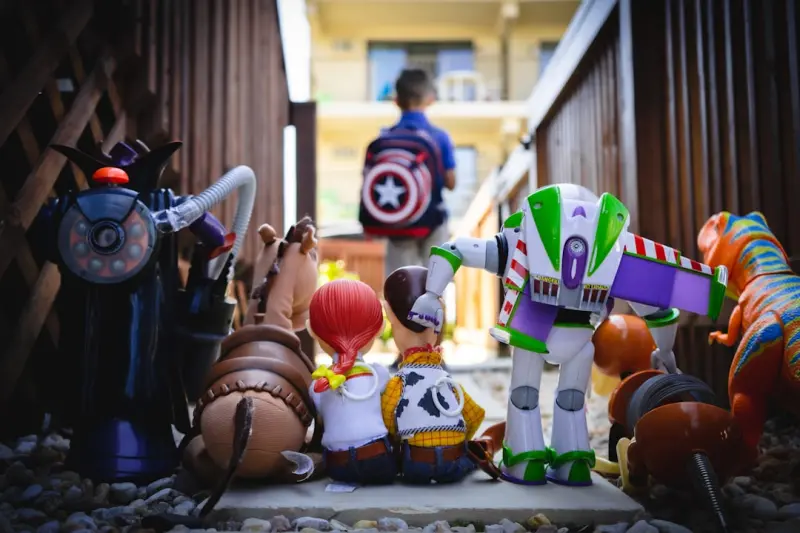
Why Sustainable Toys Matter More Than Ever
When I was a kid, my favorite playthings were simple—wooden blocks, a battered soccer ball, and the occasional cardboard spaceship. Those toys lasted because they were built to be used, not discarded. Today, the toy aisle is dominated by bright plastics, battery‑powered gadgets, and fast‑fashion trends that fade as quickly as the latest TikTok challenge. As a parent, a consumer, and someone who believes technology should serve humanity—not the other way around—I’m convinced that we need to shift the paradigm. Sustainable toys aren’t just a niche trend; they’re a cultural imperative that aligns with the values of today’s families while safeguarding the planet for tomorrow’s kids.
The Environmental Toll of Conventional Toys
According to industry data, the global toy market produces over 30 million tons of plastic waste each year. Most of this waste ends up in landfills or, worse, the ocean, where it contributes to micro‑plastic pollution that threatens marine life. Moreover, the production of plastic toys consumes vast amounts of fossil fuels and water, adding to carbon emissions and resource depletion. When you add short product lifecycles and the habit of “outgrow‑and‑replace,” the environmental impact compounds dramatically.
Beyond the obvious waste, there’s a hidden side to many high‑tech toys: smart toys safety concerns. While not directly an environmental issue, the data‑intensive nature of connected toys demands energy‑hungry data centers and raises questions about the true cost of “smart” play.
Materials That Make a Difference
Switching to sustainable toys starts with the raw materials. Below are the most promising alternatives:
- Organic Cotton & Natural Fibers: Soft, breathable, and biodegradable, they’re perfect for plush toys, dolls, and clothing accessories.
- Recycled Plastics: Post‑consumer PET bottles can be transformed into sturdy building blocks that retain durability while reducing virgin plastic demand.
- Bamboo & FSC‑Certified Wood: Fast‑growing and renewable, bamboo offers strength comparable to hardwood and lends a sleek aesthetic to puzzles and kitchen sets.
- Plant‑Based Bioplastics: Made from corn starch, sugarcane, or algae, these materials break down more readily than conventional plastics and can be molded into intricate designs.
- Metal & Silicone: For durable components like gears or teething rings, stainless steel and medical‑grade silicone provide longevity without leaching harmful chemicals.
Design Principles for Longevity and Joy
Eco‑friendly toys aren’t just about the material; they must also be designed to endure. Here are the design tenets I champion:
- Modularity: Toys that can be reconfigured, expanded, or repurposed keep children engaged for years. Think of a set of wooden gears that can become a car, a crane, or an abstract sculpture.
- Repairability: Simple screws, replaceable batteries, and clear repair guides empower families to fix toys instead of discarding them. This echoes the low‑tech oasis mindset—valuing durability over disposability.
- Timeless Aesthetics: Classic colors and shapes transcend fleeting trends, ensuring the toy remains a cherished item beyond the “must‑have” phase.
- Open‑Ended Play: Toys that spark imagination—like building blocks or magnetic tiles—encourage creativity without needing electronic upgrades.
- Safety First: Non‑toxic finishes, rounded edges, and sturdy construction protect kids while reducing the need for frequent replacements due to breakage.
Case Study: The Rise of Eco‑Building Blocks
One of the most exciting developments in the sustainable toy arena is the emergence of eco‑building blocks made from 100% recycled plastic. Companies are sourcing PET waste, shredding it, and re‑extruding it into interlocking bricks that match the quality standards of traditional brands. The benefits are threefold:
- Reduced Landfill Impact: Every brick repurposes material that would otherwise pollute ecosystems.
- Closed‑Loop Production: Some manufacturers operate take‑back programs, turning old blocks into new ones—a literal circular economy for play.
- Economic Accessibility: By leveraging waste streams, production costs drop, making sustainable toys more affordable for families.
These blocks also align with the dynamics of player‑driven economies in gaming. Just as digital gamers trade assets and create value within virtual worlds, physical block enthusiasts can exchange pieces, design kits, and even monetize custom creations, fostering a community-driven ecosystem that mirrors the digital economy.
Impact on Child Development
Research consistently shows that open‑ended, tactile play supports cognitive, motor, and social development. Sustainable toys, by virtue of their durability and simplicity, often excel at providing this type of engagement. For example:
- Fine Motor Skills: Manipulating wooden puzzles or magnetic tiles refines hand‑eye coordination.
- Problem‑Solving: Modular sets encourage trial‑and‑error, fostering resilience and logical thinking.
- Environmental Awareness: When children understand that their toys are made from recycled materials, they develop early stewardship values.
- Emotional Connection: Toys that last for years become heirlooms, creating stories and memories that deepen family bonds.
A Practical Buying Guide for Parents
Shopping for sustainable toys can feel overwhelming. Here’s a step‑by‑step checklist to streamline the process:
- Check Material Transparency: Look for certifications such as GOTS (organic textiles), FSC (forest stewardship), or recycled‑content labels.
- Assess Longevity: Ask yourself if the toy can grow with your child or be repurposed in other ways.
- Prioritize Repairability: Brands that provide spare parts or clear repair manuals score higher on sustainability.
- Evaluate Packaging: Minimal, recyclable, or compostable packaging reflects a brand’s overall commitment.
- Research the Brand’s Ethics: Companies that publish carbon footprints or engage in circular initiatives demonstrate genuine responsibility.
DIY: Turning Everyday Items Into Sustainable Play
You don’t always need to buy a new product to embrace eco‑friendly play. Here are a few simple projects that turn household items into engaging toys:
- Cardboard City: Reuse shipping boxes to construct multi‑level forts, tunnels, and skyscrapers. Paint with water‑based colors for a personalized touch.
- Fabric Sensory Bags: Fill resealable bags with rice, beans, or dried pasta, and seal with duct tape. Kids love the tactile experience, and the materials are all recyclable.
- Nature Treasure Hunt Kits: Assemble a small basket with magnifying glasses, leaf guides, and reusable containers for collecting rocks, pinecones, or shells.
These low‑tech creations echo the sentiment of cultivating a low‑tech oasis, reminding us that imagination thrives without constant electronic stimulation.
The Future of Sustainable Play
Looking ahead, I see three major trends shaping the next wave of eco‑friendly toys:
- Biodegradable Electronics: Innovations in plant‑based circuitry could enable “smart” toys that dissolve harmlessly after their useful life.
- Blockchain‑Verified Materials: Similar to how some fashion brands certify ethical sourcing, toys could use blockchain to prove the recycled content of each component.
- Community‑Driven Design Platforms: Open‑source design repositories will let parents and makers collaborate on modular toys, sharing blueprints that can be 3‑D printed locally with sustainable filaments.
These advancements will blur the lines between physical and digital play, yet keep the core principle intact: toys should enrich lives without compromising the Earth.
Conclusion: A Call to Play Responsibly
Choosing sustainable toys isn’t just a purchase decision—it’s a statement about the kind of world we want to build for our children. By opting for materials that respect the planet, designs that endure, and brands that champion transparency, we empower the next generation to inherit a healthier, more imaginative future. Let’s fill our homes with toys that tell stories, spark curiosity, and leave a lighter footprint on the earth. After all, the best play is the kind that lasts a lifetime.

Sanji Patel is a Staff Writer at Blogging Fusion and a globally recognized SEO consultant with 25 years of industry experience. He specializes in delivering comprehensive technical and editorial SEO services to news publishers worldwide. Sanji frequently shares his insights as a speaker at international conferences and delivers annual guest lectures at local universities.
Professional Profile
- Current Role: Staff Writer at Blogging Fusion.
- Core Expertise: Technical and editorial SEO strategy.
- Target Audience: Global news publishers and digital media outlets.
- Industry Experience: 25 years of dedicated SEO consultancy.
- Public Engagement: International conference speaker and university guest lecturer.
Related Posts
Adaptive Play Systems: Toys That Evolve With Kids
Adaptive play systems combine modular hardware with smart software to create toys that grow, learn, ... Read More
A Professional Guide to the Top Scooters for Kids
The scooter is an iconic fixture of childhood, serving not merely as a toy, but as a critical tool f... Read More
How DIY Toy Kits Are Transforming Play and Planet
Discover why DIY toy kits are reshaping childhood—offering eco‑friendly fun, hands‑on learning... Read More
Top Posts

Mastering Holiday Spending: A Comprehensive Guide to Preventing Impulse Purchases This Season
The festive season, with its twinkling lights, joyous gatherings, and gift-giving traditions, often brings an undeniable sense of warmth and generosity. However...Read More

Top 3 Platforms For Gaming
The landscape of interactive entertainment has never been more vibrant, diverse, and technologically advanced. From the pixelated simplicity of early arcade cab...Read More
The Micro‑Automation Playbook: Tiny Triggers, Massive Marketing Wins
Learn how tiny, targeted automations can revamp your B2B marketing funnel, improve conversion rates, and future‑proof your tech stack with actionable steps an...Read More

Mining Community Talk for Evergreen Content Gold
Learn how to turn forum threads, support tickets, and social comments into a powerful content engine, complete with SEO tactics, multi‑format repurposing, and...Read More
0 Comments
Post Comment
You will need to Login or Register to comment on this post!