
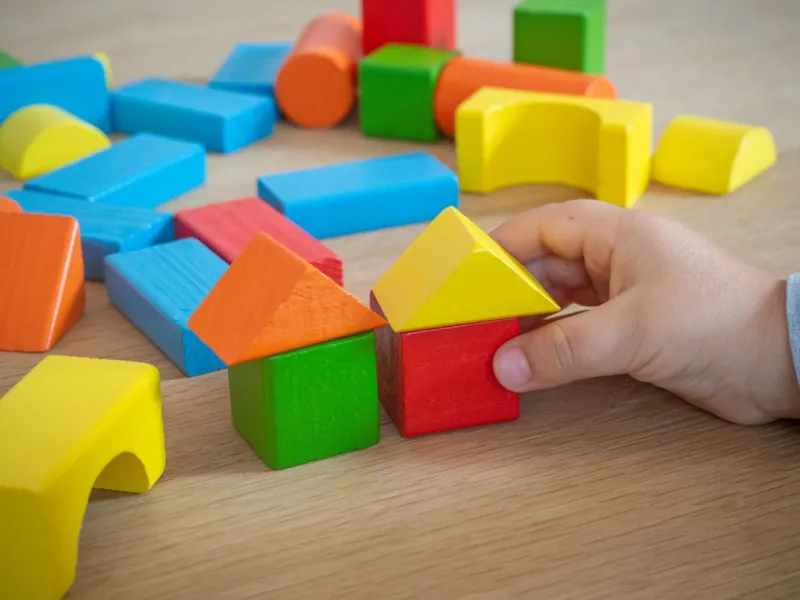
The Power of Play: How Toys Can Shape Our Childhood and Beyond
As a seasoned writer and observer of human behavior, I've always been fascinated by the role toys play in shaping our childhood experiences and beyond. Toys are more than just playthings; they're tools that help us develop essential skills, build relationships, and create lasting memories. In this article, I'll explore the significance of toys in our lives, from their impact on our mental wellbeing to their influence on our social and emotional development.
Toys have been an integral part of human culture for centuries, serving as a means of entertainment, education, and socialization. From simple dolls and action figures to complex electronic gadgets, toys have evolved significantly over the years, reflecting changing societal values, technological advancements, and shifting consumer preferences. One of the most significant benefits of toys is their ability to foster creativity, imagination, and problem-solving skills in children. By engaging in play, children can explore their surroundings, experiment with different materials and textures, and develop critical thinking skills that will serve them well throughout their lives.
The Evolution of Toys: A Brief History
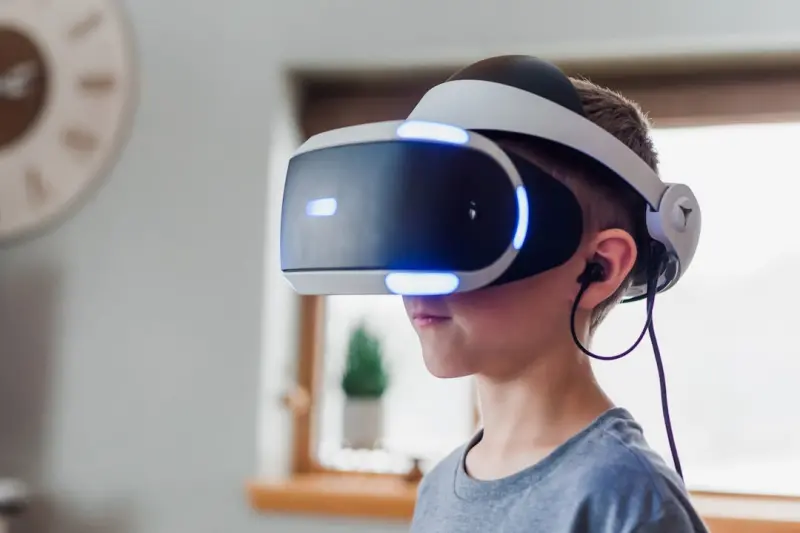
Toys have undergone a remarkable transformation over the centuries, reflecting changing societal values, technological advancements, and shifting consumer preferences. From traditional wooden toys and handmade dolls to modern electronic gadgets and digital games, toys have evolved significantly over the years. The rise of digital technology has led to the development of new types of toys, such as virtual reality games and augmented reality experiences, which are revolutionizing the way we play and interact with each other. For instance, The Power of Play: How Toys Can Impact Our Mental Wellbeing highlights the therapeutic benefits of play and how toys can be used to support mental health.
The Impact of Toys on Mental Wellbeing
Toys can have a profound impact on our mental wellbeing, particularly during childhood and adolescence. Play is essential for cognitive development, socialization, and emotional regulation, all of which are critical for maintaining good mental health. Toys can provide a healthy outlet for stress and anxiety, allowing children to express themselves and work through challenging emotions in a safe and supportive environment. Moreover, toys can help build resilience and confidence, essential for navigating the challenges of growing up. Research has shown that play can have a positive impact on mental health, reducing symptoms of anxiety and depression, and improving overall wellbeing.
The Social and Emotional Benefits of Toys
Toys can also play a significant role in shaping our social and emotional development. Through play, children learn important social skills, such as cooperation, communication, and empathy, which are essential for building strong relationships and achieving academic and professional success. Toys can also help children develop emotional intelligence, including self-awareness, self-regulation, and self-motivation. For example, playing with dolls or action figures can help children develop nurturing skills and understand different perspectives, while playing with puzzles or strategy games can improve problem-solving skills and hand-eye coordination. Furthermore, toys can provide a sense of comfort and security, particularly during times of stress or uncertainty.
The Dark Side of Toys: The Risks of Over-Play
While toys can have a positive impact on our lives, there are also risks associated with over-play. Excessive play can lead to addiction, social isolation, and decreased physical activity, all of which can have negative consequences for our mental and physical health. Moreover, the commercialization of toys has created a multi-billion-dollar industry that often prioritizes profit over child development and wellbeing. Parents and caregivers must be mindful of these risks and ensure that play is balanced with other aspects of life, such as socialization, education, and physical activity. It's essential to establish healthy boundaries and encourage responsible play habits to minimize the risks associated with toys.
The Future of Toys: Trends and Insights
The toy industry is undergoing significant changes, driven by technological advancements, shifting consumer preferences, and evolving societal values. One of the most significant trends in the toy industry is the rise of sustainable and eco-friendly toys, which are designed to minimize environmental impact and promote social responsibility. Another trend is the growth of digital toys and games, which are changing the way we play and interact with each other. For instance, The Evolution of Search Engine Marketing: Trends and Insights highlights the importance of digital marketing in shaping consumer behavior and preferences.
Conclusion
In conclusion, toys play a vital role in shaping our childhood experiences and beyond. From their impact on our mental wellbeing to their influence on our social and emotional development, toys are more than just playthings; they're tools that help us grow, learn, and thrive. As we look to the future, it's essential to prioritize responsible play habits, sustainable toy design, and a balanced approach to play that promotes overall wellbeing. By doing so, we can harness the power of toys to create a brighter, more playful future for ourselves and generations to come. Additionally, The Impact of Social Media on Mental Health: A Marketer's Perspective provides valuable insights into the impact of digital media on mental health, highlighting the need for a balanced approach to technology and play.

Robert Mathews is a professional content marketer and freelancer for many SEO agencies. In his spare time he likes to play video games, get outdoors and enjoy time with his family and friends . Read more about Robert Mathews here:
Related Posts
Beyond Plastic: How Smart, Sustainable Toys Are Redefining Play
A deep dive into the rise of sustainable, AI‑enhanced toys, exploring their environmental benefits... Read More
The Importance of Sustainable Toys in Modern Times
Sustainable toys are an essential part of a more eco-friendly future. Learn how eco-friendly toys ca... Read More

Playful Learning in the Age of AI: Intelligent Toys Transform Childhood
Intelligent toys are merging adaptive AI, human‑centric design, and eco‑friendly materials to cr... Read More
Top Posts

Supply‑Chain Security: The Hidden Backbone of SaaS Trust
Supply‑chain security is the new frontier for SaaS, demanding visibility into every component from code libraries to cloud services. This post outlines practi...Read More
Playtime Revolution: How Sensors, Sustainability, and AI Are Redefining Toys
A deep dive into the three megatrends—sensor‑enabled play, sustainable materials, and AI‑driven storytelling—that are turning today’s toys into innova...Read More
Playful Innovation: How Immersive Tech Is Rewriting Childhood
A deep dive into the rise of augmented reality, programmable robotics, and maker kits shows how modern toys blend physical and digital worlds, empowering kids a...Read More

Why Google Gemini Is the Secret Sauce for Next‑Gen SaaS Innovation
Google Gemini’s ability to understand text, images, audio, and code transforms the way SaaS teams prototype, support, and iterate. Learn how multimodal AI can...Read More
0 Comments
Post Comment
You will need to Login or Register to comment on this post!