
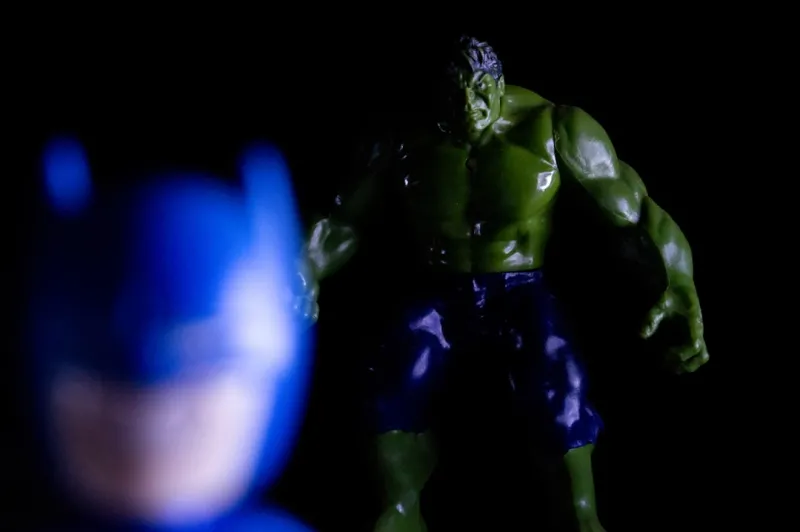
The Power of Play: How Toys Can Impact Our Mental Wellbeing
As a parent and a passionate advocate for mental health, I've always been fascinated by the ways in which our surroundings and activities can impact our wellbeing. One area that often gets overlooked is the world of toys and play. As children, we're encouraged to play and explore, but as adults, we often forget the importance of play in maintaining our mental health. In this article, I'll explore the ways in which toys and play can impact our mental wellbeing, and why it's essential to prioritize play in our lives.
The Benefits of Play
Play is an essential part of childhood development, but it's not just limited to kids. Research has shown that play can have a significant impact on our mental health, reducing stress and anxiety, improving mood, and even alleviating symptoms of depression. When we engage in play, our brains release endorphins, also known as "feel-good" hormones, which can help to calm our minds and lift our spirits. For example, just like food, play can be a source of comfort and joy, providing a healthy distraction from the stresses of everyday life. By incorporating play into our daily routines, we can improve our overall mental wellbeing and reduce the risk of mental health issues.
The Impact of Toys on Mental Health
Toys can have a profound impact on our mental health, providing a tangible way to engage in play and express ourselves creatively. For children, toys can help to develop problem-solving skills, hand-eye coordination, and social skills, all of which are essential for mental health. But for adults, toys can be just as beneficial. Whether it's a stress ball, a puzzle, or a creative hobby kit, toys can provide a much-needed break from the demands of everyday life. In fact, research has shown that engaging in creative activities, such as painting or drawing, can have a significant impact on mental health, reducing symptoms of anxiety and depression. For instance, new parents can use toys and play to bond with their children and reduce stress.
The Rise of Therapeutic Toys
In recent years, there's been a growing trend towards therapeutic toys, designed specifically to promote mental health and wellbeing. These toys can range from fidget toys and stress balls to creative hobby kits and mindfulness puzzles. One of the most popular therapeutic toys is the fidget spinner, which was designed to help individuals with ADHD and anxiety. While the fad has largely passed, the concept behind the fidget spinner is still valid: that toys can be used to promote calm and focus. For example, AI-powered toys are being developed to provide personalized support and therapy for individuals with mental health issues.
The Importance of Imaginative Play
Imaginative play is an essential part of childhood development, but it's not just limited to kids. Engaging in imaginative play can help adults to tap into their creative side, reducing stress and anxiety, and promoting mental wellbeing. Whether it's through dress-up, pretend play, or creative writing, imaginative play can provide a much-needed escape from the demands of everyday life. By engaging in imaginative play, adults can:
* Reduce stress and anxiety * Improve mood and cognitive function * Enhance creativity and problem-solving skills * Develop empathy and understanding of others
The Role of Toys in Building Resilience
Toys can play a significant role in building resilience, particularly in children. By engaging in play, children can develop coping skills, learn to navigate challenges, and build confidence. For adults, toys can provide a similar benefit, helping to build resilience and promote mental wellbeing. Whether it's through puzzles, brain teasers, or strategy games, toys can provide a fun and engaging way to challenge ourselves and build confidence. For instance, marketers can use toys and play to develop creative campaigns and build brand engagement.
Conclusion
In conclusion, toys and play can have a profound impact on our mental wellbeing, reducing stress and anxiety, improving mood, and promoting resilience. Whether it's through imaginative play, therapeutic toys, or creative hobbies, it's essential to prioritize play in our lives. By doing so, we can:
* Improve our mental health and wellbeing * Reduce the risk of mental health issues * Build resilience and confidence * Enhance creativity and problem-solving skills
So next time you're feeling stressed or overwhelmed, consider reaching for a toy or engaging in some play. Your mental health will thank you.
Final Thoughts
As I reflect on the power of play, I'm reminded of the importance of prioritizing mental health in our lives. By incorporating play into our daily routines, we can improve our overall wellbeing and reduce the risk of mental health issues. Whether it's through toys, hobbies, or creative activities, play is an essential part of maintaining good mental health. So let's make play a priority, and reap the benefits of a healthier, happier mind.

Freelance writer with a flare for everything. I am passionate about topics I write crafting stories and compelling content that connect with audiences. Journeying through the realms of creativity as a freelance creator. #WriterLife #ContentCreator
Related Posts
Why Tangible Toys Still Matter in a Screen‑Obsessed World
A deep dive into why hands‑on toys remain essential for mental health, productivity, and cultural ... Read More
Playful Futures: How 2024’s Toy Trends Are Shaping the Next Generation
Explore 2024’s breakthrough toy trends—AI playmates, eco‑friendly builds, and inclusive design... Read More
The Evolution of Toys: How Playtime Has Changed Over the Years
The toy industry has undergone significant changes over the years, from traditional dolls and action... Read More
Top Posts
Curating a Sound‑Infused Home: How Audio Shapes Modern Living
Explore the power of intentional audio design—from focus zones to bedtime rituals—and learn practical steps to turn your home into a sound‑rich sanctuary ...Read More

Pet‑Powered Sprint: How My Furry Friends Teach Me Faster, Smarter Living
Learn how Luna’s lightning pounces and Milo’s enthusiastic fetches reveal a sprint mindset that transforms productivity, home design, and wellbeing....Read More

The Quiet Revolution: How I Turned My Beauty Routine into a Science‑Backed Ritual
A personal journey from trend‑chasing to a science‑backed beauty routine, emphasizing ingredient transparency, data tracking, and community insight....Read More

The Unexpected Science of Everyday Connection
A fresh look at relationship health reveals that daily curiosity, not occasional grand gestures, fuels lasting connections. Learn practical rituals, conflict to...Read More
0 Comments
Post Comment
You will need to Login or Register to comment on this post!