
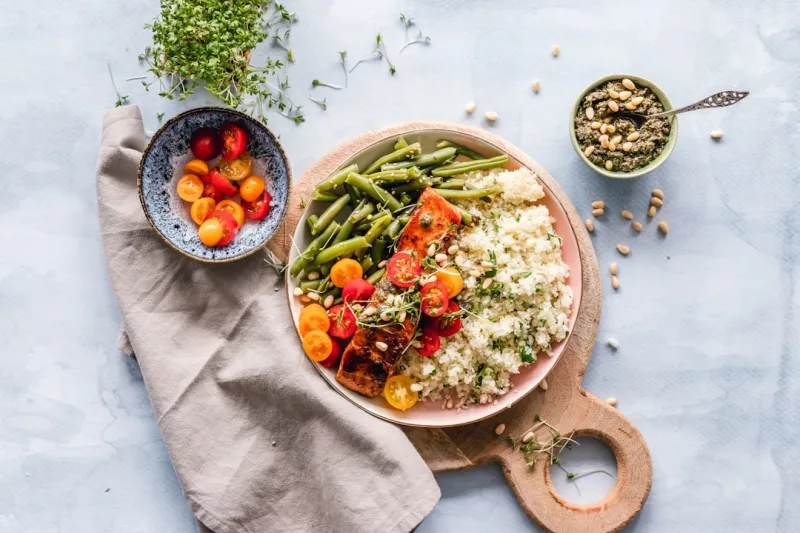
The Healing Power of Food: How Cuisine Can Impact Our Mental Wellbeing
As someone who's always been passionate about food, I've often found myself wondering about the connection between cuisine and mental health. Can certain foods really have a positive impact on our wellbeing? And if so, how can we incorporate them into our daily lives? In this article, I'll explore the fascinating world of food and mental health, and share some practical tips on how to use cuisine as a tool for healing.
The relationship between food and mental health is complex, and it's influenced by a multitude of factors. Our diet can affect our mood, energy levels, and overall sense of wellbeing. Research has shown that a healthy diet rich in fruits, vegetables, whole grains, and lean proteins can have a positive impact on mental health. On the other hand, a diet high in processed foods, sugar, and saturated fats can exacerbate symptoms of anxiety and depression. One of the key ways in which food affects mental health is through the gut-brain axis. The gut microbiome plays a crucial role in producing neurotransmitters, such as serotonin and dopamine, which regulate mood and emotions.
The Science Behind Food and Mental Health
The science behind food and mental health is still evolving, but there are some promising findings. For example, studies have shown that a Mediterranean-style diet, which is rich in fruits, vegetables, whole grains, and healthy fats, can reduce symptoms of depression and anxiety. Similarly, research has found that a diet rich in omega-3 fatty acids, which are found in fatty fish, nuts, and seeds, can have a positive impact on mood and cognitive function. Some specific examples of foods that can positively impact mental health include:
- Fatty fish, such as salmon and sardines, which are rich in omega-3 fatty acids
- Leafy greens, such as spinach and kale, which are rich in folate and other B vitamins
- Nuts and seeds, such as walnuts and chia seeds, which are rich in healthy fats and antioxidants
- Whole grains, such as brown rice and quinoa, which are rich in fiber and complex carbohydrates
The Benefits of Cooking and Sharing Meals
Cooking and sharing meals can have a profound impact on our mental wellbeing. Not only can it provide a sense of accomplishment and satisfaction, but it can also bring people together and foster a sense of community. Sharing meals with others can release oxytocin, a hormone that's often referred to as the "cuddle hormone," which can promote feelings of relaxation and bonding. Cooking can also be a form of mindfulness, allowing us to focus on the present moment and let go of stress and anxiety. Some practical tips for incorporating cooking and sharing meals into your daily life include:
- Try cooking a new recipe each week, using fresh and seasonal ingredients
- Host a dinner party or potluck with friends and family
- Take a cooking class or workshop to learn new skills and techniques
- Make meal prep a part of your weekly routine, to save time and reduce stress
The Connection Between Food and Culture
Food is often deeply rooted in culture and tradition, and it can play a significant role in shaping our identity and sense of belonging. Exploring different cuisines can be a great way to learn about other cultures and connect with people from diverse backgrounds. For example, trying traditional dishes from other countries can be a fun and delicious way to learn about their customs and traditions. Some examples of cultural dishes that can positively impact mental health include:
- Sushi from Japan, which is rich in omega-3 fatty acids and antioxidants
- Curry from India, which is rich in turmeric and other spices with anti-inflammatory properties
- Stir-fries from China, which are rich in vegetables and lean proteins
Conclusion
In conclusion, the connection between food and mental health is complex and multifaceted. By incorporating healthy, whole foods into our diets, cooking and sharing meals with others, and exploring different cuisines, we can take small steps towards improving our mental wellbeing. While food is not a replacement for medical treatment or therapy, it can be a powerful tool in our toolkit for managing stress, anxiety, and depression. By prioritizing food and nutrition, we can take care of our bodies and minds, and cultivate a deeper sense of wellbeing and connection.
Take Action
So what can you do to start harnessing the healing power of food? Here are a few practical tips:
- Start by incorporating one or two healthy meals into your daily routine
- Experiment with new recipes and ingredients to find what works best for you
- Share meals with friends and family to foster a sense of community and connection
- Consider taking a cooking class or workshop to learn new skills and techniques
By taking small steps towards prioritizing food and nutrition, you can start to experience the benefits of cuisine on your mental wellbeing. Whether you're looking to manage stress, anxiety, or depression, or simply want to feel more energized and focused, the healing power of food can be a powerful tool in your journey towards wellness.
Final Thoughts
In today's fast-paced world, it's easy to neglect our physical and mental health. However, by prioritizing food and nutrition, we can take care of our bodies and minds, and cultivate a deeper sense of wellbeing and connection. Whether you're a foodie, a health enthusiast, or simply someone looking to make positive changes in your life, I hope this article has inspired you to explore the fascinating world of food and mental health. By making informed choices about the food we eat, we can take control of our health and wellbeing, and live a more vibrant, energetic, and fulfilling life.

Ryan Stuart is a seasoned freelance features writer, editor, and professional photographer with a passion for exploring the world and capturing its beauty through words and images.
Related Posts

Zero‑Waste Cocktails: Crafting Flavorful Drinks Without the Trash
Explore the rise of zero‑waste cocktail culture, from farm‑fresh ingredients to creative upcycli... Read More
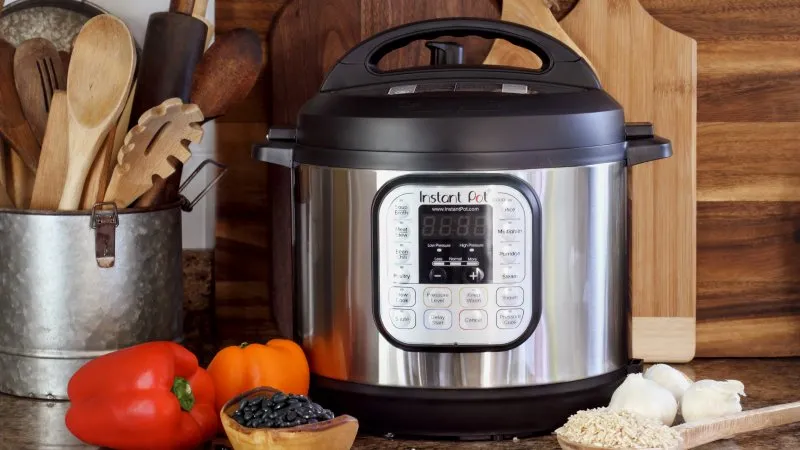
10 Foods You Shouldn't Cook in Your Instant Pot
Instant Pots have taken the world by storm with their multi-functionality and ease of use. They have... Read More

The Unseen Saboteurs: Mistakes Everyone Makes When Brewing Coffee at Home
For many, the morning ritual of brewing coffee at home is a cherished moment, a quiet prelude to the... Read More
Top Posts
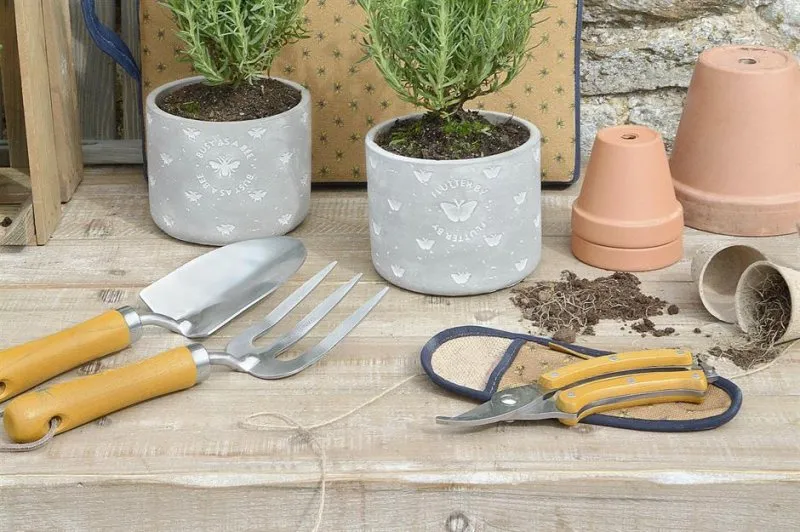
50 Easy Gardening Hacks To Make The Most Out Of Your Garden
Gardening is a source of immense joy, providing fresh produce, vibrant blooms, and a tranquil escape from the daily grind. However, it can also feel daunting, c...Read More

The Evolution of Celebrations: How Sustainable Living Influences Modern Festivities
The way we celebrate is undergoing a significant transformation. Sustainable living practices are being incorporated into modern festivities, reducing waste, en...Read More

How to Save Money By Upgrading Your Lighting
The world is constantly evolving, and with it, our technology. One area where this is particularly evident is in lighting. As we move towards more energy-effici...Read More

Raising Tiny Trendsetters: A Rebel Dad’s Guide to Modern Baby & Toddler Parenting
A rebel dad shares his 2024 playbook for raising stylish, resilient toddlers—balancing tech, eco‑friendly choices, and mindful parenting for today’s famil...Read More
0 Comments
Post Comment
You will need to Login or Register to comment on this post!