
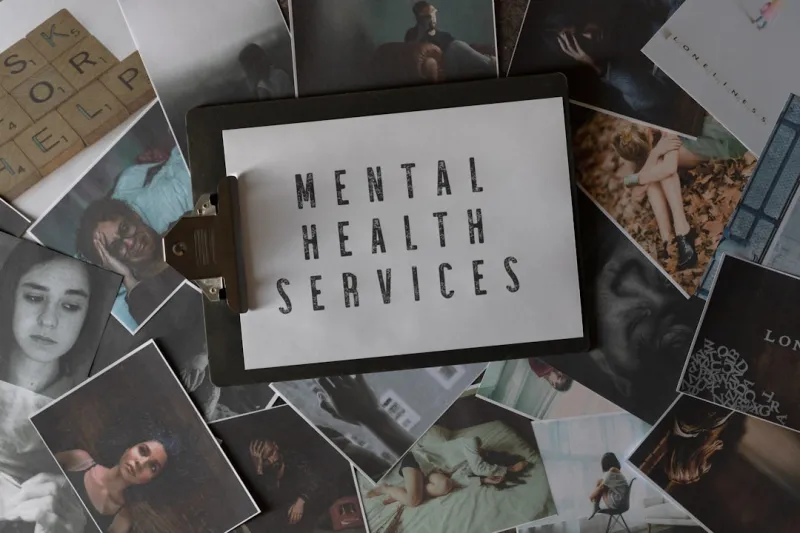
Mental Health in the Digital Age: Navigating the Complexities of Modern Life
As I sit here, reflecting on the state of mental health in today's digital age, I am reminded of the profound impact that technology has on our well-being. The constant stream of information, the endless notifications, and the curated highlight reels on social media can be overwhelming, to say the least. As someone who has struggled with anxiety and depression, I understand the importance of acknowledging the complex relationships between technology, mental health, and our daily lives. A recent study on the impact of technology on mental health highlights the growing concern of technology's effects on our mental well-being.
The Dark Side of Connectivity
The internet and social media have revolutionized the way we communicate, access information, and connect with others. However, this increased connectivity has also created a culture of comparison, where we measure our lives against the seemingly perfect online personas of others. This can lead to feelings of inadequacy, low self-esteem, and a deep-seated sense of loneliness. Furthermore, the constant availability of technology can blur the boundaries between work and personal life, leading to burnout and exhaustion. For instance, the impact of remote work on mental health is a growing concern, as many people struggle to disconnect from work-related tasks.
The Psychology of Web Design
Have you ever stopped to think about the way websites and apps are designed to influence your behavior? The colors, layouts, and user experiences are all carefully crafted to keep you engaged, often at the expense of your mental health. A well-designed website can be a powerful tool for promoting mental well-being, while a poorly designed one can exacerbate feelings of anxiety and stress. As someone who has worked in the field of web design, I can attest to the importance of considering the psychological impact of design on users. In fact, the psychology of web design is a critical aspect of creating online experiences that promote mental well-being.
Mindful Eating and Mental Health
In recent years, there has been a growing recognition of the importance of mindful eating for mental health. The way we eat and interact with food can have a profound impact on our well-being, from reducing stress and anxiety to improving mood and cognitive function. By cultivating a mindful approach to eating, we can develop a healthier relationship with food and our bodies, which can have a positive ripple effect on our mental health. For example, nourishing body and soul through mindful eating can have a profound impact on our overall well-being.
Creating a Sustainable Home Oasis
Our living spaces can have a profound impact on our mental health, from the colors and textures we surround ourselves with to the way we organize and declutter our environments. By creating a sustainable home oasis, we can cultivate a sense of calm, relaxation, and well-being. This can involve simple changes, such as adding plants, using natural light, and reducing clutter, to more significant transformations, like renovating our spaces to promote mental well-being. For instance, creating a sustainable home oasis can be a powerful way to promote mental well-being.
The Intersection of Mental Health and Technology
As we navigate the complexities of modern life, it's essential to acknowledge the intersection of mental health and technology. While technology can be a powerful tool for promoting mental well-being, it can also exacerbate existing mental health issues. By being aware of the potential risks and benefits of technology, we can take steps to mitigate its negative effects and harness its potential for good. This might involve setting boundaries around our technology use, using apps and tools that promote mental well-being, and engaging in open and honest conversations about mental health.
Conclusion
In conclusion, mental health in the digital age is a complex and multifaceted issue. By acknowledging the potential risks and benefits of technology, we can take steps to promote mental well-being and mitigate the negative effects of modern life. Whether it's cultivating a mindful approach to eating, creating a sustainable home oasis, or being aware of the psychology of web design, there are many ways we can prioritize our mental health in today's digital age.
Take Action
So, what can you do to prioritize your mental health in the digital age? Here are a few suggestions:
- Set boundaries around your technology use, such as turning off notifications or taking breaks from social media.
- Cultivate a mindful approach to eating, by paying attention to your hunger and fullness cues and savoring your food.
- Create a sustainable home oasis, by adding plants, using natural light, and reducing clutter.
- Engage in open and honest conversations about mental health, with friends, family, and mental health professionals.
By taking these steps, you can prioritize your mental health and well-being in the digital age.

Karen Edwards is a seasoned freelance writer with a passion for all things furry, feathered, and scaled. With a dedicated focus on pets, she brings a wealth of knowledge and a keen eye for detail to her writing.
Related Posts

Neurodiversity and Mental Wellness: Redesigning the Workplace for Every Mind
A deep dive into how neurodiverse talent can flourish when workplaces adopt sensory‑friendly space... Read More

Mental Health, Robin Williams and Mentoring Troubled Teens
The world collectively mourned when, in August 2014, the news broke of Robin Williams' passing. A co... Read More

Rethinking Resilience: Small Daily Routines for Mental Clarity
Small, intentional habits—like brief breathing exercises, midday stretches, and nightly gratitude ... Read More
Top Posts

Bridging the Digital Divide: How to Engage Teens Beyond Their Mobile Devices
The mobile device has become an indelible extension of the modern teenager. Far from a mere communication tool, it is a portal to social connection, entertainme...Read More

The 2024 Web Development Playbook: AI, Edge, and Sustainable Coding from Jessica Gills
Jessica Gills shares a 2024 web development roadmap, blending AI assistance, edge performance, sustainable hosting, and inclusive design to empower modern devel...Read More
Why Modern Web Hosting Needs a Privacy‑First Blueprint
A privacy‑first approach to web hosting isn’t a luxury—it’s essential for security, compliance, and user trust. This guide walks through architecture, V...Read More

The Remote Access Scam: Taking Control of Your Computer
You check your inbox and see a concerning message. It’s from a well-known company—maybe your internet provider, a software giant, or even your bank. The sub...Read More
0 Comments
Post Comment
You will need to Login or Register to comment on this post!