
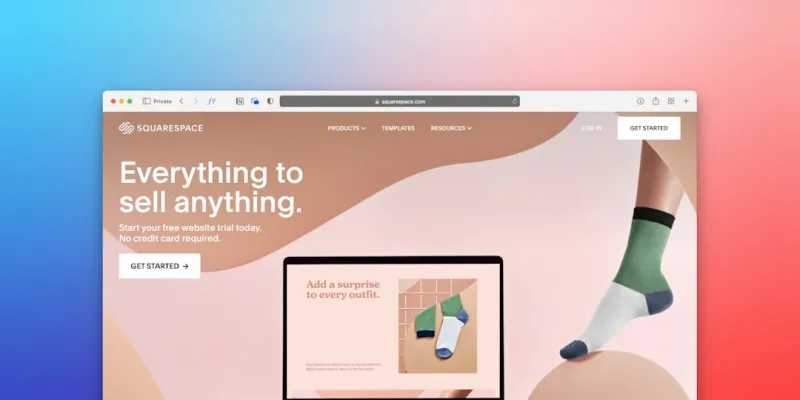
The Psychology of Web Design: How Color, Layout, and User Experience Impact Mental Health
As a web designer, I've always been fascinated by the way our digital environments can affect our mental wellbeing. With the rise of online interactions, it's become increasingly important to consider the psychological impact of web design on users. In this article, I'll explore the ways in which color, layout, and user experience can influence our mental health, and what designers can do to create more supportive online spaces. A well-designed website can reduce stress and anxiety while promoting a sense of calm and well-being.
The Power of Color
Color is a fundamental element of web design, and it can have a profound impact on our emotions and mental state. Different colors can evoke feelings of calmness, energy, or even anxiety. For example, calming colors like blue and green can promote relaxation, while bold colors like red and orange can stimulate excitement and energy. When designing a website, it's essential to consider the emotional impact of color on users. A website with a predominantly blue color scheme, for instance, may help reduce stress and promote feelings of trust. As I discussed in my previous article on creating a sustainable home oasis, the colors we surround ourselves with can have a significant impact on our mental health.
The Importance of Layout and User Experience
The layout and user experience of a website are also crucial factors in determining its psychological impact. A cluttered and disorganized layout can contribute to feelings of overwhelm and anxiety, while a clean and intuitive design can promote a sense of calm and control. When designing a website, it's essential to prioritize user experience and ensure that the layout is easy to navigate. This can involve using clear typography, intuitive navigation menus, and a logical information architecture. By doing so, designers can help reduce user stress and promote a positive emotional response. Additionally, a well-designed website can also improve accessibility for users with disabilities, which is essential for promoting inclusivity and equality online.
The Impact of Technology on Mental Health
The impact of technology on mental health is a growing concern, and web designers have a critical role to play in promoting healthy online interactions. As I discussed in my article on the impact of technology on mental health, excessive screen time and online engagement can contribute to feelings of loneliness, anxiety, and depression. By designing websites that promote healthy online habits, designers can help mitigate these negative effects. This can involve incorporating features like screen time tracking and mindful browsing tools, or simply designing websites that encourage users to engage in positive online behaviors.
Designing for Mental Health
So, what can web designers do to create more supportive online environments? Here are a few strategies to consider:
- Use calming colors and typography to promote relaxation and reduce stress
- Prioritize user experience and ensure that the layout is easy to navigate
- Incorporate features that promote healthy online habits, such as screen time tracking and mindful browsing tools
- Consider accessibility and ensure that the website is usable by people with disabilities
By incorporating these strategies into their design practice, web designers can help create online environments that support mental health and wellbeing.
The Future of Web Design
As we move forward in the digital age, it's essential that web designers prioritize mental health and wellbeing in their design practice. By doing so, we can create online environments that promote positive emotional experiences and support mental health. This may involve incorporating emotional intelligence into design practice, or using data-driven design to inform design decisions. Whatever the future holds, it's clear that web designers have a critical role to play in shaping the online environments that will impact our mental health for years to come.
Conclusion
The psychology of web design is a complex and multifaceted field that requires careful consideration of the emotional and psychological impact of digital environments on users. By prioritizing mental health and wellbeing in design practice, web designers can create online environments that promote positive emotional experiences and support mental health. As I discussed in my article on the impact of gardening on mental health, taking care of our mental health is essential for overall wellbeing. By designing websites that promote mental health and wellbeing, we can help create a healthier and more supportive online community.
Final Thoughts
In conclusion, the psychology of web design is an essential consideration for designers who want to create supportive online environments. By understanding the impact of color, layout, and user experience on mental health, designers can create websites that promote positive emotional experiences and support mental wellbeing. As the digital landscape continues to evolve, it's essential that designers prioritize mental health and wellbeing in their design practice.

Freelance writer with a flare for everything. I am passionate about topics I write crafting stories and compelling content that connect with audiences. Journeying through the realms of creativity as a freelance creator. #WriterLife #ContentCreator
Related Posts

The Intersection of Web Design and Sustainable Living: A New Era of Digital Aesthetics
The intersection of web design and sustainable living is an exciting and rapidly evolving field. Lea... Read More
Designing for Delight: How Slow Living Shapes Modern Web Experiences
Discover how embracing slow‑living mindset reshapes web design, creating calm, purposeful sites th... Read More

The Future of Web Design: Trends to Watch
The future of web design is all about creating immersive, interactive experiences that engage and de... Read More
Top Posts

Turning Enterprise Data Into Actionable Insight With AI Search
AI search converts chaotic data silos into a living knowledge graph, delivering context‑aware answers, robust governance, and measurable productivity gains fo...Read More
Unlocking Semantic SEO: Speak Google’s Language, Not Its Keywords
Semantic SEO goes beyond keywords, focusing on entities, user intent, and structured data. Learn practical steps to build content clusters, leverage schema, and...Read More

Mastering Holiday Spending: A Comprehensive Guide to Preventing Impulse Purchases This Season
The festive season, with its twinkling lights, joyous gatherings, and gift-giving traditions, often brings an undeniable sense of warmth and generosity. However...Read More

The Hidden Goldmine: How Player‑Driven Economies Are Shaping Gaming’s Future
Player‑driven economies are redefining games as living marketplaces. This article uncovers their impact, design challenges, business opportunities, and the et...Read More
0 Comments
Post Comment
You will need to Login or Register to comment on this post!