
Why “Micro‑Wellness” Is the Next Big Wave in Health & Wellness
In a world where notifications never cease and the line between work and personal life blurs faster than a Snapchat story, the traditional advice “just exercise more” or “eat cleaner” feels both antiquated and unattainable. We’re saturated with grand‑scale wellness programs that promise transformation, yet they often demand time, money, and consistency that most professionals simply can’t spare.
Enter micro‑wellness – a philosophy that flips the script. Instead of overhauling your entire lifestyle overnight, you focus on tiny, repeatable actions that fit seamlessly into the rhythm of your day. Think of them as the wellness equivalent of a “micro‑experience” in sports: brief, highly engaging moments that collectively reshape performance and perception. When you stack enough of these moments, the cumulative effect rivals any intensive program, but with dramatically lower friction.
The Hidden Cost of Constant Connectivity
Before we dive into the practicalities, let’s acknowledge the elephant in the room: digital overload. The average professional checks their phone over 150 times a day, and the average screen time hovers around 7‑9 hours. This relentless barrage of stimuli taxes our nervous system, erodes focus, and sabotages sleep. The result is a chronic state of low‑grade stress that manifests as fatigue, mood swings, and even metabolic disturbances.
Traditional wellness advice often neglects this “attention tax.” You might be hitting the gym three times a week, yet you still feel depleted because your brain never truly gets a break. The solution isn’t merely more cardio; it’s a smarter approach to how we allocate and protect our mental bandwidth.
Micro‑Wellness: Tiny Habits That Pack a Punch
Micro‑wellness is about identifying the smallest possible actions that deliver the biggest physiological or psychological return. Below are five micro‑habits you can adopt instantly, no equipment required.
- Two‑Minute Breath Reset – Set a timer for two minutes, close your eyes, and practice the 4‑7‑8 breathing technique. This simple rhythm triggers the parasympathetic nervous system, lowering cortisol within minutes.
- Standing Stretch Loop – Every time you receive a non‑urgent notification, stand up, roll your shoulders, and do a quick neck stretch. This breaks sedentary cycles and improves circulation.
- Hydration Micro‑Check – Keep a 250 ml water bottle on your desk. Every time you finish a task, take a sip. Over an 8‑hour workday, you’ll consume at least 2 liters without thinking about it.
- Digital Sunset – Six minutes before bedtime, switch all devices to “night mode” and dim the lights. This reduces blue‑light exposure, signaling melatonin production and improving sleep onset.
- Micro‑Gratitude Note – Write a one‑sentence gratitude note on a sticky pad before you start your first meeting. This primes a positive mindset that carries through the day.
Each of these habits takes less than a minute, yet the physiological benefits—reduced stress hormones, improved posture, better hydration, enhanced circadian rhythm, and a lifted mood—are measurable.
Automation Meets Self‑Care: Leveraging Low‑Code to Simplify Wellness
One of the most exciting developments in the health space is the marriage of low‑code automation tools with personal wellness. Imagine a workflow that automatically logs your water intake, prompts a stretch break after prolonged typing, or even orders a healthy snack when you skip lunch.
Here’s a step‑by‑step blueprint for building a personal wellness automation without writing a single line of code:
- Select a low‑code platform (Zapier, Make, or Microsoft Power Automate are popular choices).
- Identify trigger events—for example, a calendar event ending, a certain number of minutes of inactivity, or a specific time of day.
- Define actions—send a mobile notification, create a Google Calendar reminder, or update a spreadsheet tracking your habit streaks.
- Test and iterate—run the automation for a week, note friction points, and tweak triggers or actions accordingly.
Once set up, the system works silently in the background, nudging you toward micro‑wellness actions exactly when you need them. This reduces decision fatigue and turns good intentions into automatic behavior.
Data‑Driven Community Wellness: From Solo Routines to Collective Momentum
While micro‑wellness thrives on individual consistency, the power of community can amplify results. The Data‑Driven Community Playbook showcases how grassroots groups leverage data to foster engagement and accountability. Apply that same framework to health:
- Shared Habit Dashboards – Teams can visualize collective water consumption, step counts, or sleep hours, turning personal metrics into a shared scoreboard.
- Micro‑Challenges – Introduce weekly 5‑minute meditation sprints or “stand‑up every hour” challenges, with real‑time leaderboards.
- Peer Recognition – Celebrate micro‑wins publicly in Slack or Teams channels, reinforcing positive behavior through social proof.
When individuals feel they’re part of a larger movement, adherence spikes dramatically. The science is clear: social reinforcement can increase habit formation success rates by up to 70%.
Designing Sustainable Attention: The Role of Minimalist Interfaces
Just as web designers are rethinking attention economics, wellness tech must adopt sustainable attention principles. This means building tools that respect your mental bandwidth rather than hijack it.
Key design guidelines for micro‑wellness apps include:
- One‑Task Focus – Each screen should present a single action (e.g., “Take a 30‑second breath”).
- Timed Nudges – Deliver prompts during natural breaks (e.g., after a calendar event) rather than random intervals.
- Minimal Visual Clutter – Use ample white space, soft colors, and clear typography to avoid cognitive overload.
- Graceful Dismissal – Allow users to snooze or dismiss prompts without penalty, preserving autonomy.
When the user experience aligns with the brain’s need for calm, the habit loop (cue‑routine‑reward) becomes smoother, and compliance rises.
Micro‑Wellness in Action: A Day in the Life
Let’s walk through a typical workday applying the principles above:
- 7:00 am – Digital Sunset: Switch devices to night mode, dim lights, and do a 2‑minute breathing exercise.
- 8:30 am – Hydration Micro‑Check: A low‑code workflow sends a “Drink water” notification after your first meeting ends.
- 10:00 am – Standing Stretch Loop: Your calendar integration triggers a 30‑second stretch reminder.
- 12:00 pm – Micro‑Gratitude Note: Before lunch, you jot down a quick gratitude line, which is automatically logged in a shared team doc.
- 2:30 pm – Peer Challenge: Your team launches a “5‑minute mindfulness” sprint; the app updates a live leaderboard.
- 5:00 pm – Evening Wind‑Down: A final “Digital Sunset” cue appears, guiding you through a short body scan before dinner.
Notice how each micro‑action is triggered by a cue that’s already part of your routine (meeting end, calendar slot). The friction is near zero, making it easy to sustain over months.
Measuring Success: What Metrics Matter?
Micro‑wellness shifts focus from macro‑goals (e.g., “lose 10 kg”) to micro‑metrics that reflect daily resilience:
- Stress Resilience Score – Derived from HRV (heart‑rate variability) readings taken during brief morning checks.
- Attention Saturation Index – Calculated by tracking the frequency of app-switching and notification interactions.
- Micro‑Habit Streak – Number of consecutive days each micro‑habit was completed.
- Community Engagement Rate – Percentage of team members participating in shared challenges.
These data points provide immediate feedback, allowing you to iterate your micro‑wellness strategy in real time.
Overcoming Common Pitfalls
Even the most thoughtfully designed micro‑wellness system can stumble. Here are three pitfalls and how to avoid them:
- Over‑Automation – If every notification feels intrusive, you’ll develop “alert fatigue.” Keep the total daily nudges under 5 and prioritize high‑impact cues.
- One‑Size‑Fits‑All Habits – Not every micro‑habit works for every body. Customize based on personal data (e.g., if you have low back pain, prioritize hip flexor stretches).
- Lack of Celebration – Small wins need acknowledgment. Use visual badges or a weekly roundup email to reinforce progress.
Future Trends: Where Micro‑Wellness Is Headed
Looking ahead, three developments will likely accelerate the adoption of micro‑wellness:
- AI‑Powered Personalization – Machine learning models will predict the optimal time and type of micro‑habit based on your calendar, stress levels, and prior adherence.
- Embedded Sensors – Wearables will become more discreet, providing continuous data streams (e.g., skin temperature) that trigger micro‑interventions automatically.
- Cross‑Platform Ecosystems – Integration across work tools (Slack, Teams), health apps (Apple Health, Google Fit), and smart home devices will create a seamless wellness fabric.
When these technologies converge, micro‑wellness will evolve from a personal practice into an ambient layer of health that lives in the background of our digital lives—quietly, continuously, and effectively.
Getting Started: Your 7‑Day Micro‑Wellness Sprint
Ready to test the concept? Follow this simple sprint:
- Day 1: Implement the Digital Sunset and Two‑Minute Breath Reset.
- Day 2: Add the Hydration Micro‑Check using a low‑code reminder.
- Day 3: Introduce the Standing Stretch Loop after every meeting.
- Day 4: Start the Micro‑Gratitude Note in a shared doc.
- Day 5: Launch a team micro‑challenge (e.g., “5‑minute walk”).
- Day 6: Review your micro‑habit streaks and adjust timing if needed.
- Day 7: Celebrate successes with a virtual coffee or a digital badge.
Track your metrics, note any changes in focus, mood, or energy, and iterate. The goal isn’t perfection; it’s a sustainable shift toward a healthier, more resilient you.
Conclusion: Small Moments, Big Impact
In an era where we’re constantly asked to do more, micro‑wellness offers a counter‑intuitive but powerful answer: do less, but do it often and intentionally. By weaving tiny, data‑informed habits into the fabric of your day, leveraging low‑code automation to eliminate friction, and harnessing the social boost of community challenges, you can reclaim mental bandwidth, boost physical vitality, and build a resilient foundation for long‑term health.
The next wave of wellness won’t be about marathon training sessions or restrictive diets. It will be about the micro‑experiences that cumulatively transform how we live, work, and thrive.

David Moore is a freelance writer specializing in two dynamic and ever-evolving fields: gambling and the tech industry. With a keen eye for detail and a knack for unraveling complex topics, David delivers insightful and engaging content that keeps readers informed and entertained.
Related Posts
Rewilding Your Routine: Tiny Nature Rituals for Modern Well‑Being
Learn to weave brief nature rituals into your daily life, creating calm, focus, and resilience throu... Read More
The Connection Between Sustainable Living and Mental Health
Explore the connection between sustainable living and mental health. Find out how eco-friendly pract... Read More
Breathing Back Balance: A Remote Worker’s Guide to Calm and Focus
Learn simple breathwork techniques that empower remote workers to combat digital overload, enhance m... Read More
Top Posts
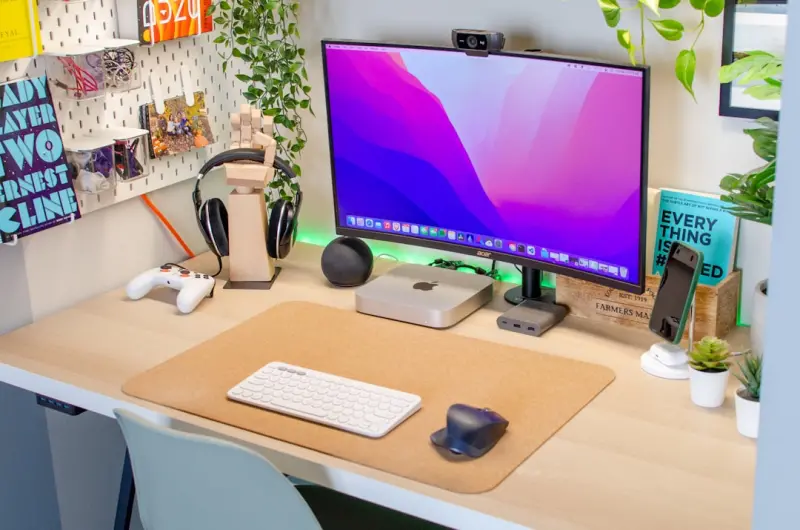
Greening the Hybrid Desk: Small Tweaks for a Sustainable Workday
A step‑by‑step guide for hybrid workers to adopt sustainable habits at their desks, including eco‑friendly supplies, smarter digital use, energy‑saving ...Read More

Adaptive Play Systems: Toys That Evolve With Kids
Adaptive play systems combine modular hardware with smart software to create toys that grow, learn, and adapt, offering longer lifespans, personalized experienc...Read More

Power‑Independent Home Renovations: Turning Every Upgrade Into Energy Autonomy
Learn how to integrate solar‑ready roofing, battery storage, and smart devices into your next home renovation, turning each upgrade into a step toward energy ...Read More

Urban Forest Bathing: The Science‑Backed Reset for Busy Professionals
Urban forest bathing offers a simple, science‑backed way for city‑dwelling professionals to lower stress, enhance immune function, and boost focus—all by ...Read More
0 Comments
Post Comment
You will need to Login or Register to comment on this post!