
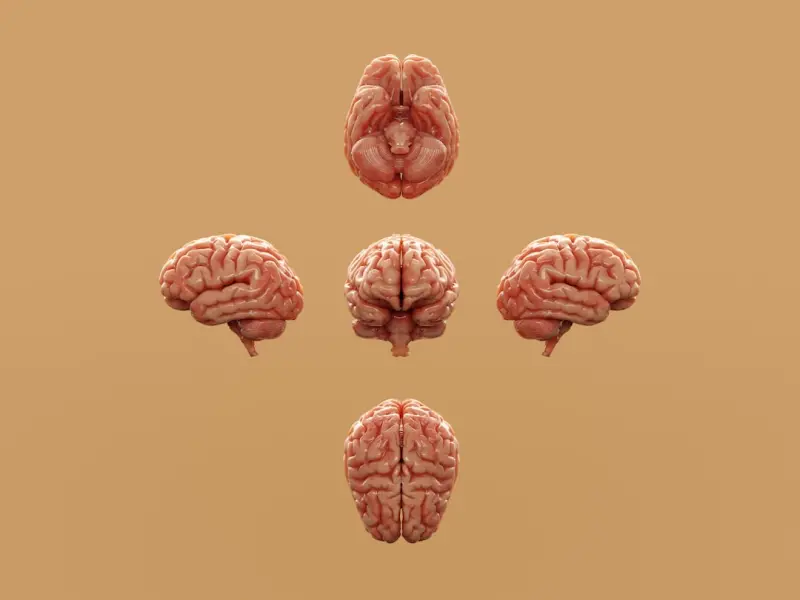
When the world finally slowed down, I realized that the most persistent buzz wasn’t coming from my inbox or the latest productivity app—it was the quiet, relentless hum of my own mind. We’ve all been told to “check in” with ourselves, but the real question is: what does that check‑in sound like when the line between work and home has vanished?
Why the Modern Workscape Is a Mental Health Minefield
Remote work promised flexibility, autonomy, and the luxury of a coffee mug that actually belongs to you. What it didn’t promise was the erosion of natural boundaries that once protected our mental space. The always‑on culture, combined with an endless stream of notifications, has turned many of us into perpetual multitaskers—an unsustainable state that drains cognitive bandwidth and amplifies anxiety.
Data from recent studies shows a sharp rise in reported feelings of isolation, burnout, and “Zoom fatigue.” The paradox is striking: the tools designed to bring us closer are simultaneously widening the gap between our professional personas and our authentic selves.
Neurodiversity: The Missing Piece in the Wellness Puzzle
One of the most overlooked dimensions of mental health at work is neurodiversity. While companies are beginning to talk about inclusion, the conversation often stalls at surface‑level accommodations. For neurodivergent employees—those who think, learn, and process information differently—the default office (or virtual office) design can be a constant source of stress.
Imagine a software developer who is autistic and thrives on predictable routines. Suddenly, daily stand‑ups shift to an impromptu video call at 9 am, the deadline moves up, and a new collaboration tool floods their screen with pop‑up alerts. The cumulative effect isn’t just a mild inconvenience; it’s a neurological overload that can trigger anxiety attacks or shutdowns.
Addressing neurodiversity isn’t about creating a one‑size‑fits‑all solution. It’s about building an ecosystem that respects varied cognitive styles, offering choices rather than mandates. Simple steps—like providing agenda outlines ahead of meetings, allowing asynchronous communication, or offering multiple channels for feedback—can dramatically reduce cognitive strain.
Designing Work Environments That Honor the Brain
Physical and digital workspaces shape our mental state. The same principles that guide Designing Living Web Experiences for users can be repurposed to design environments that nurture the brain.
- Predictability Over Surprise: Consistent meeting times, clear expectations, and stable project timelines reduce the “fight‑or‑flight” response that uncertainty triggers.
- Choice Architecture: Offer multiple ways to complete a task—whether through a visual Kanban board, a text‑based list, or a voice‑activated workflow—so individuals can select the mode that aligns with their cognitive strengths.
- Micro‑Break Rituals: Encourage short, intentional pauses that are not just “coffee breaks” but purposeful resets—like a two‑minute guided breathing exercise or a quick walk outside.
When these practices are baked into the fabric of a company’s culture, mental health moves from a buzzword to a lived reality.
The Role of Empathetic Technology
Technology isn’t inherently the villain. In fact, when built with empathy, it can be a powerful ally. The article When Machines Feel explores how AI can be taught to recognize emotional cues and respond with compassion. Imagine a virtual meeting assistant that detects rising stress levels in participants' voices and suggests a short break or a shift in agenda.
Similarly, AI‑Enabled Decision Intelligence can be leveraged to identify patterns of employee burnout before they become crises. By analyzing metrics such as overtime hours, frequency of after‑hours communication, and sentiment in internal chats, AI can flag at‑risk teams and prompt proactive wellness interventions.
These tools are only as good as the intent behind them. Companies must prioritize privacy, transparency, and consent when deploying such systems, ensuring they enhance well‑being rather than become surveillance mechanisms.
Practical Strategies to Reclaim Mental Space
Below are actionable steps that individuals and leaders can adopt today to protect mental health in the digital age:
- Set Hard Boundaries: Define clear start and end times for work. Use calendar blocks labeled “Do Not Disturb” and communicate them to teammates.
- Curate Your Digital Diet: Turn off non‑essential notifications. Batch‑process emails at set intervals instead of reacting to each ping.
- Leverage Asynchronous Communication: Not every conversation needs a real‑time response. Encourage the use of shared documents and recorded video updates.
- Implement “No‑Meeting” Days: Reserve at least one day a week for deep work, free from scheduled calls.
- Champion Neurodivergent Voices: Create forums where neurodivergent employees can share their needs and co‑design accommodations.
- Introduce Mental Health Check‑Ins: Short, regular surveys can surface early signs of distress. Pair the data with resources like counseling services.
- Invest in Empathetic Tools: Pilot AI‑driven wellness platforms that respect user privacy and provide actionable insights.
From Policy to Practice: Leadership’s Role
Leadership must transition from issuing generic wellness statements to embedding mental health into the core business strategy. This includes allocating budget for mental health resources, training managers to recognize signs of burnout, and measuring the impact of wellness initiatives on productivity and employee retention.
When leaders model healthy behavior—such as turning off their own notifications after hours—they set a cultural precedent that empowers the entire organization to follow suit. The ripple effect of these choices can transform a workplace from a stress‑laden pressure cooker into a supportive ecosystem where creativity and innovation flourish.
Looking Ahead: A More Compassionate Future of Work
The conversation around mental health is no longer optional; it’s a competitive advantage. Companies that prioritize the cognitive well‑being of their teams will attract top talent, foster higher engagement, and ultimately deliver better outcomes.
By recognizing neurodiversity, designing empathetic environments, and leveraging technology responsibly, we can rewrite the narrative from “surviving the workday” to “thriving in it.” The journey starts with a simple question: What does a mentally healthy workplace look like for me, and how can I help build it?

Jessica Gills is a freelance writer carving a niche for herself by empowering others through her words. With a focus on careers, self-development, and business, she helps readers navigate the complexities of the modern professional landscape.
Related Posts

Why Storytelling is the Missing Link in Workplace Mental Health
A fresh look at mental health in the office, this post explains how storytelling can build empathy, ... Read More

Why Mental Fitness Should Be Your Next Business KPI
Dale Peterson explains why mental fitness belongs on the executive dashboard, offering practical ste... Read More
Why Your Brain Needs a Software Update: Rethinking Mental Health in the Digital Age
A deep dive into treating mental health like software: audit notifications, schedule deep‑work, us... Read More
Top Posts

How a Freelance Writer Can Help You With Writing Blogs
In the digital age, a robust online presence is no longer a luxury but a necessity for businesses of all sizes. At the heart of a successful digital strategy li...Read More

When the Music Takes Over: Crafting an Immersive Audio Wedding Experience
Explore a fresh approach to wedding planning that treats sound as the narrative backbone, integrating interactive tech and curated playlists to create an unforg...Read More

The Slow‑Living Blueprint for Sustainable Link Building
Learn why patience, quality content, and authentic outreach are the keys to building lasting backlinks that power long‑term SEO success....Read More

Rethinking Screen Time: A Parent’s Playbook for Digital Balance
A practical guide for parents on how to create a balanced digital diet for kids and teens, turning screen time into learning opportunities while setting healthy...Read More
0 Comments
Post Comment
You will need to Login or Register to comment on this post!