

Ever felt like the digital noise is turning your living space into a perpetual conference room? I’ve been there—screens flickering, notifications buzzing, and the line between work and home blurring into a single, endless feed. Over the past year, I’ve been on a personal experiment: deliberately carving out low‑tech sanctuaries within my home. The goal? Not to reject technology, but to reclaim the mental bandwidth it steals and re‑inject a sense of tactile calm into daily life.
Why a Low‑Tech Oasis Matters
Our brains are wired for novelty. Each ping, buzz, or pop‑up promises a new piece of information, and the dopamine hit keeps us scrolling. While that can be exhilarating in short bursts, the cumulative effect is chronic mental fatigue. Studies in cognitive psychology show that constant multitasking reduces deep‑work capacity by up to 40 %.
Creating intentional low‑tech zones does three things:
- Reduces cognitive overload. By removing digital stimuli, you give your prefrontal cortex space to reset.
- Boosts creative incubation. Physical, analog activities—like sketching or arranging flowers—activate different neural pathways than clicking links.
- Reinforces boundaries. When you step into a space without Wi‑Fi, you instantly signal to yourself (and anyone else) that it’s time for a different mode of being.
Designing the Space: From Concept to Reality
The first step is to identify a pocket of your home that can become the “no‑screen zone.” It doesn’t have to be a whole room; a corner, a window seat, or even a repurposed closet works. Here’s how I turned a neglected hallway nook into a sensory retreat:
- Clear the clutter. I removed everything that required power—lamps with USB ports, smart speakers, and a stray tablet. The result was a blank canvas.
- Introduce analog tools. I placed a wooden desk, a stack of unlined journals, a set of colored pencils, and a vintage turntable. The tactile quality of these objects creates a physical anchor for attention.
- Curate the ambiance. Soft natural lighting, a few potted succulents, and a hand‑woven rug added texture and warmth. I also installed a small shelf for a few well‑chosen books—nothing too heavy, just a selection that inspires curiosity.
- Set rules. The most critical piece is the rule: No phones, no laptops, no smart devices. If a device must be nearby for emergencies, it stays in a locked drawer.
Rituals to Anchor the Low‑Tech Habit
Spaces alone aren’t enough; habits cement the transformation. I’ve built three daily rituals that anchor me to my oasis:
- Morning analog journal. Before checking email, I spend ten minutes writing free‑form thoughts on paper. This primes my mind for intentional focus.
- Midday vinyl interlude. At noon, I drop the needle on a classic album. The analog crackle forces me to slow down, and the music becomes a backdrop for mindful breathing.
- Evening sketch‑down. Before bed, I sketch a scene from the day—no pressure to be artistic, just a visual diary. The act of drawing with a pencil, not a stylus, signals the brain that the day is winding down.
Bridging Low‑Tech Living with High‑Tech Work
For many of us, the line between personal and professional is already thin. The trick is to let the low‑tech oasis improve, not hinder, your high‑tech output. I’ve found two ways to make that happen:
- Scheduled “digital detox” blocks. I allocate two 90‑minute windows per week where all meetings are held offline—either in person or via a phone call. During these blocks, I’m physically present in the low‑tech zone, and mentally I’m forced to be concise and purposeful.
- Tool‑induced constraints. When I need to brainstorm, I use a physical whiteboard instead of a digital mind‑map. The friction of erasing with a marker, rather than clicking a delete button, often surfaces ideas that get lost in the ease of digital editing.
Micro‑Escapes: Adding Adventure Without Leaving Home
While my oasis is stationary, the spirit of exploration can still thrive. I’ve started incorporating small outdoor wins into my routine—brief forays that feel like mini‑adventures but stay close to home. Examples include:
- Walking a new neighborhood street after dusk, observing streetlights and shadows.
- Setting up a pop‑up “campfire” with a portable lantern and a stack of favorite short stories.
- Doing a 15‑minute “nature scan” on a nearby park bench, noting birds, insects, and plant textures.
These micro‑escapes keep the dopamine system satisfied without overwhelming it. The key is the intentionality: each activity is planned, brief, and documented in my analog journal, reinforcing the habit loop.
Tech‑Enabled Tools That Support Low‑Tech Living
Paradoxically, some technology can amplify the benefits of a low‑tech lifestyle if used judiciously. One surprising ally is DIY laptop upgrades. By customizing my primary work machine—upgrading the battery for longer unplugged sessions and installing a hardware kill‑switch for Wi‑Fi—I gain finer control over when I’m online.
Other subtle tech helpers include:
- Ambient sound machines. Instead of a streaming playlist, a simple white‑noise device creates a consistent soundscape without the temptation to change tracks.
- Physical timers. A kitchen timer set for focus intervals reduces reliance on phone alarms, keeping the phone out of sight.
- Paper planners. A well‑designed paper planner replaces digital calendars for personal tasks, freeing the phone for essential work notifications only.
Measuring Impact: The Quiet Metrics
After three months of living with a low‑tech oasis, I tracked three simple metrics:
- Focused work blocks. I logged the number of uninterrupted 90‑minute sessions per week. The average rose from three to seven.
- Sleep quality. Using a non‑wearable sleep tracker (a simple bedside sensor), I saw a 15 % increase in deep‑sleep duration.
- Creative output. I counted the number of new ideas captured in my analog journal that later turned into blog posts or product concepts. The tally doubled.
The data isn’t flashy, but the subjective feeling of clarity is unmistakable. When you step away from the screen, you give your mind the room it needs to wander, to connect dots that would otherwise stay hidden behind endless notifications.
Scaling the Concept: From One Corner to an Entire Home
If a single nook works for you, imagine the ripple effect of expanding low‑tech principles throughout your living space:
- Kitchen. Designate a “no‑device dinner” rule. Serve meals on a table without chargers or tablets, encouraging conversation.
- Bedroom. Replace the bedside tablet with a small lamp and a stack of printed books. Keep phones in a drawer until morning.
- Home office. Use a second monitor solely for email and messages, while your primary screen is for deep work, reducing the temptation to constantly check Slack.
The philosophy is modular: each area adopts a low‑tech element that fits its function, creating a cohesive environment that nurtures focus, well‑being, and intentional living.
Overcoming Common Obstacles
Transitioning isn’t without challenges. Here are three hurdles I faced and how I solved them:
- Fear of missing out (FOMO). I set a single “catch‑up” window each evening, limiting social media to 15 minutes. The rest of the night is screen‑free, which actually reduced the urge to check.
- Family pushback. I involved my partner in designing the oasis, letting them choose the color palette and a favorite vinyl record. Shared ownership turned resistance into enthusiasm.
- Work urgency. When an urgent email arrives, I use a dedicated “alert” phone placed in the kitchen. I only retrieve it when the alert light flashes, preventing constant desk checking.
Future Directions: The Low‑Tech Renaissance
There’s a growing cultural undercurrent—a low‑tech renaissance—that aligns with broader movements like slow fashion and mindful consumption. As more people recognize the cost of perpetual connectivity, we’ll likely see a surge in products and services that facilitate analog experiences: subscription boxes for handwritten letters, boutique cafés that ban Wi‑Fi, and furniture designed for screen‑free zones.
For now, the most powerful tool remains personal intention. By curating your own low‑tech oasis, you set a precedent for how you want to engage with the world—mindfully, deliberately, and with a touch of analog romance.
Ready to start your own sanctuary? Begin with a single corner, a single ritual, and watch how the ripple expands across your life.

Paul Flynn is a versatile freelance writer equipped with a diverse skillset and a portfolio that reflects his wide-ranging interests and expertise. From crafting compelling website copy and engaging blog posts to delivering in-depth articles and meticulously researched reports, Flynn demonstrates a remarkable ability to adapt his writing style to suit various audiences and purposes.
Related Posts
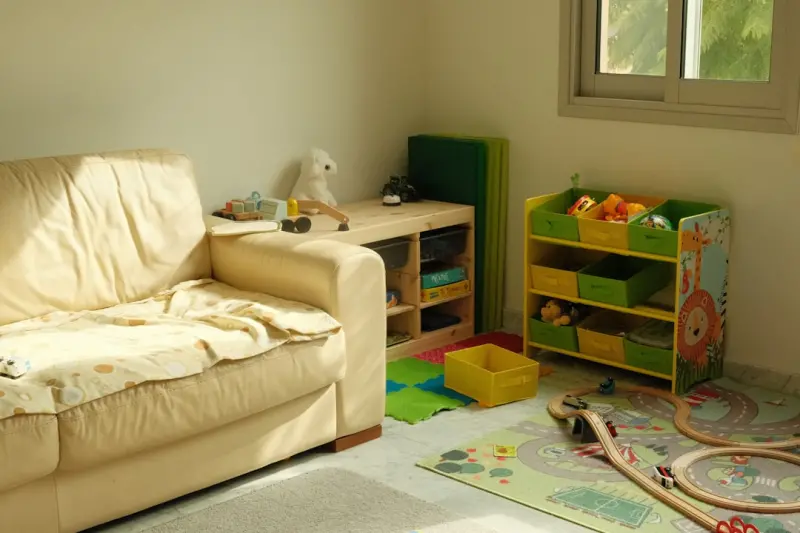
How to Turn Your Home into a Sensory Sanctuary
Learn practical steps to craft a sensory sanctuary at home, using aromas, soundscapes, lighting, and... Read More

Why Analog Hobbies Are the New Wellness Trend
Brad Hays explores the rising popularity of analog hobbies—vinyl records, film photography, and jo... Read More

Flavorful Minimalism: Mastering One-Pot Meals for a Balanced Life
A personal guide to one-pot cooking, blending minimalist pantry principles, seasonal ingredients, an... Read More
Top Posts
From Ladder to Lattice: Curating Micro‑Projects for a Future‑Proof Career
Discover a step‑by‑step framework for turning short, high‑visibility projects into career capital, positioning yourself for promotions, internal moves, an...Read More

Smart Industrial Products: Turning Data Into Real‑World Advantage
Industrial products are evolving from static hardware to intelligent, data‑driven systems. Learn how predictive maintenance, digital twins, modular design, an...Read More
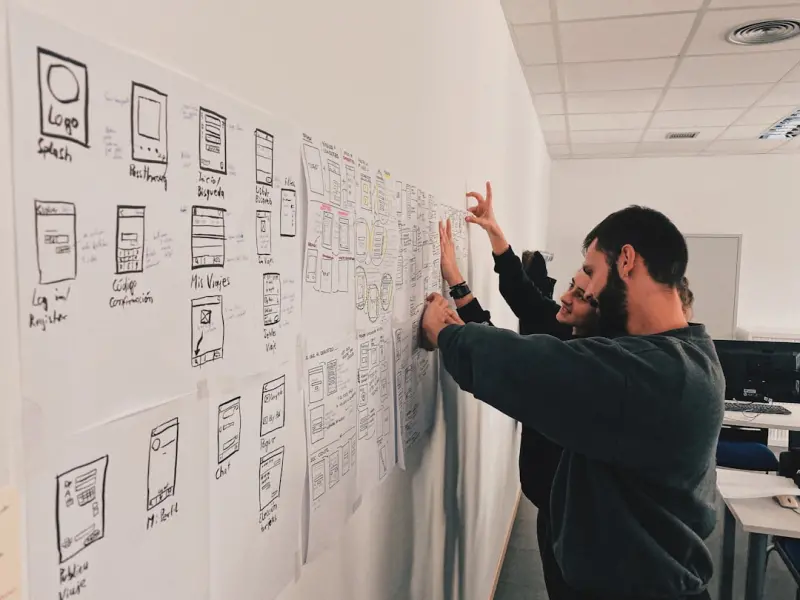
Edge‑First Web Development: Rethink Your Architecture
Edge‑first architecture moves compute to the network’s edge, offering lower latency, built‑in security, and compliance benefits. This article explains the...Read More

Holistic Health Hacks for the Modern Lifestyle
Explore a holistic approach to health that merges smart home tech, mindful nutrition, micro‑workouts, and community support for sustainable, everyday wellness...Read More
0 Comments
Post Comment
You will need to Login or Register to comment on this post!