

The Hidden Goldmine: How Player‑Driven Economies Are Shaping the Future of Gaming
When I first picked up a controller as a kid, the idea of “economy” was as foreign to me as a space‑station in a sci‑fi novel. I was more interested in beating the boss, collecting that shiny power‑up, and bragging about my high score. Fast forward a few decades, and the conversation has shifted. Today, games are bustling marketplaces where players buy, sell, trade, and even speculate on virtual assets with a seriousness that rivals Wall Street.
But this isn’t just a niche trend confined to a handful of crypto‑infused titles. From massive multiplayer online role‑playing games (MMORPGs) to battle‑royale shooters and sandbox creators, player‑driven economies are emerging as a core pillar of the gaming experience. In this deep dive, I’ll unpack why these economies matter, how they’re reshaping game design, and what businesses outside the industry can learn from the chaos and creativity of virtual markets.
Why Player‑Driven Economies Matter Now
Several forces have converged to push player‑driven economies into the spotlight:
- In‑game monetization evolution. Early “pay‑to‑win” models gave way to cosmetics, battle passes, and loot boxes. Now, the most lucrative assets are those that players can own, trade, or craft themselves.
- Rise of digital ownership. Blockchain and NFTs have sparked a debate about true ownership of virtual goods, but even without these technologies, games like Counter‑Strike: Global Offensive have shown that skins can become valuable commodities.
- Community empowerment. Modern gamers demand agency. They want to shape worlds, influence economies, and see their actions reflected in a persistent, living market.
- Data‑rich ecosystems. Game developers now have unprecedented access to transaction data, player behavior, and market dynamics, allowing for real‑time balancing and insight.
These trends are not isolated; they echo broader shifts in how digital platforms monetize and engage users. In fact, the principles at play mirror the under‑the‑radar tools described in The Hidden Levers: Under‑The‑Radar Tools Reshaping B2B Outreach. Just as savvy marketers leverage obscure platforms to gain an edge, game studios are tapping into niche economic mechanics to deepen retention and revenue.
From Loot Boxes to Player‑Owned Markets
Let’s rewind to the early 2000s. Loot boxes were novel, random‑reward systems that turned the act of opening a virtual chest into a mini‑gamble. Over time, developers realized they could hand the reins over to players. Instead of a developer‑controlled loot table, imagine a marketplace where players list items, set prices, and negotiate trades. Suddenly, the value of a “rare sword” isn’t set by a line of code but by the collective perception of the community.
Games like EVE Online pioneered this approach. Its market is a living, breathing organism where supply, demand, and player politics intersect. Players can become “industrialists,” crafting commodities, speculating on price swings, and even forming cartels. The result? A game world that feels as unpredictable—and exciting—as any real economy.
More recently, Fortnite and Roblox have introduced creator marketplaces, allowing users to sell skins, dances, or entire mini‑games. These platforms blur the line between player and developer, turning the community into a decentralized content factory. The economic implications are staggering: revenue streams now flow not just from the studio to the player, but in a complex web that includes creators, traders, and even third‑party analysts.
The Design Challenge: Balancing Fun and Finance
Creating a thriving player‑driven economy isn’t as simple as adding a trading post and calling it a day. Designers must juggle three core objectives:
- Accessibility. New players should be able to participate without feeling overwhelmed by market jargon or high entry costs.
- Stability. Inflation, price gouging, and market manipulation can erode trust. Robust systems—think anti‑spam bots, transaction caps, and dynamic pricing algorithms—are essential.
- Engagement. The market should feel rewarding, offering meaningful goals beyond the core gameplay loop.
One innovative solution is the “dynamic rarity” mechanic. Instead of a static rarity tier, an item’s rarity can fluctuate based on market activity. If a sword is constantly traded, its rarity might drop, prompting designers to introduce “event‑driven scarcity” (limited‑time drops, seasonal items) that re‑injects excitement.
Balancing these elements often requires sophisticated analytics. Here’s where the insights from Google Gemini: The Secret Engine Powering the Next Wave of SaaS Innovation become relevant. Advanced AI can monitor transaction patterns, detect anomalies, and suggest real‑time adjustments—essentially acting as an economic “co‑pilot” for developers.
Community‑Centric Economy: The Algorithmic Friendship Angle
Economies don’t exist in a vacuum; they’re social systems. The way players interact, form guilds, and trust one another shapes market health. The concept of Algorithmic Friendship—using data to deepen real‑world connections—offers a blueprint for fostering robust in‑game communities.
Imagine a recommendation engine that suggests trade partners based on shared playstyles, transaction history, and reputation scores. By nudging players toward trustworthy partners, the market becomes less prone to scams and more conducive to long‑term relationships. This mirrors real‑world e‑commerce platforms where buyer‑seller ratings drive confidence.
Furthermore, community‑driven events—such as “Market Days” or “Auction Battles”—can amplify social bonds. When players gather to haggle, showcase rare items, or collaborate on large‑scale purchases, they’re not just exchanging goods; they’re building narratives that enrich the game’s lore.
Monetization Beyond the Game: Real‑World Business Opportunities
Player‑driven economies open lucrative avenues for brands outside the gaming sphere:
- Sponsored Items. Companies can introduce limited‑edition virtual goods tied to real products, driving cross‑promotion.
- Data Insights. Transaction data offers a goldmine of consumer behavior insights, valuable for market research.
- Marketplace Platforms. Third‑party services that provide price tracking, escrow, or analytics can monetize the ecosystem.
- Talent Pipelines. Skilled traders often possess strategic thinking, risk management, and data literacy—traits prized in finance and consulting.
These synergies demonstrate that the line between virtual and real economies is blurring. Companies that understand and engage with player markets can unlock brand loyalty, new revenue streams, and innovative product ideas.
Risks and Ethical Considerations
With great opportunity comes responsibility. Several pitfalls demand attention:
- Regulatory Scrutiny. As virtual items take on real monetary value, they may fall under financial regulations, tax obligations, and consumer protection laws.
- Exploitation. Predatory pricing, “pay‑to‑win” dynamics, or manipulative scarcity can alienate players and damage brand reputation.
- Environmental Impact. Blockchain‑based economies, while enabling true ownership, can consume significant energy. Developers must weigh sustainability against innovation.
Transparent policies, robust moderation, and a commitment to fair play are non‑negotiable. The most successful games treat their economies as extensions of their community values, not just revenue generators.
Future Forecast: What’s Next for Player‑Driven Markets?
Looking ahead, three trends are likely to dominate:
- Cross‑Game Portability. Players may soon carry assets across titles, creating a universal “gaming wallet.” This would demand interoperable standards and shared marketplaces.
- AI‑Powered Market Advisors. Imagine a virtual assistant that suggests optimal buying times, predicts price spikes, or flags potential scams—leveraging the same AI frameworks discussed in the Gemini article.
- Social‑Finance Hybrid Models. Games could integrate micro‑investment features, allowing players to stake tokens on in‑game ventures, blending entertainment with real‑world financial mechanics.
The convergence of gaming, finance, and AI promises a landscape where entertainment is both immersive and economically meaningful. For developers, the challenge is to design systems that are fun, fair, and financially sustainable. For businesses, the invitation is to step into a vibrant, data‑rich arena where the next big brand partnership could be a virtual sword.
Takeaways for Game Creators and Business Leaders
1. Embrace Player Agency. Let your community shape the market. Provide tools for creation, trade, and governance.
2. Leverage Data Wisely. Use AI and analytics to monitor health, prevent abuse, and fine‑tune economics in real time.
3. Foster Trust. Implement reputation systems, transparent fee structures, and robust dispute resolution.
4. Explore Partnerships. Brands can benefit from in‑game sponsorships, while third‑party services can monetize support tools.
5. Stay Ethical. Prioritize player experience over short‑term profit, and stay ahead of regulatory developments.
Player‑driven economies are more than a fad—they’re a fundamental shift in how we perceive value in digital spaces. By understanding the mechanics, respecting the community, and harnessing the power of data, we can turn virtual markets into engines of creativity, connection, and sustainable growth.

Jim Pearse, a seasoned freelance writer, brings a wealth of knowledge and passion to the world of home and garden. From the intricacies of landscaping to the nuances of interior design, Jim delves into every aspect of creating comfortable, beautiful, and functional living spaces.
Related Posts

Leveling Up Green: How Sustainable Practices Are Transforming Game Development
From recycled consoles to carbon‑neutral cloud gaming, discover how sustainable practices are revo... Read More

Top Gaming Keyboards and Mice to Take Your Game to the Next Level
The world of gaming has evolved significantly over the years, with advancements in technology and in... Read More
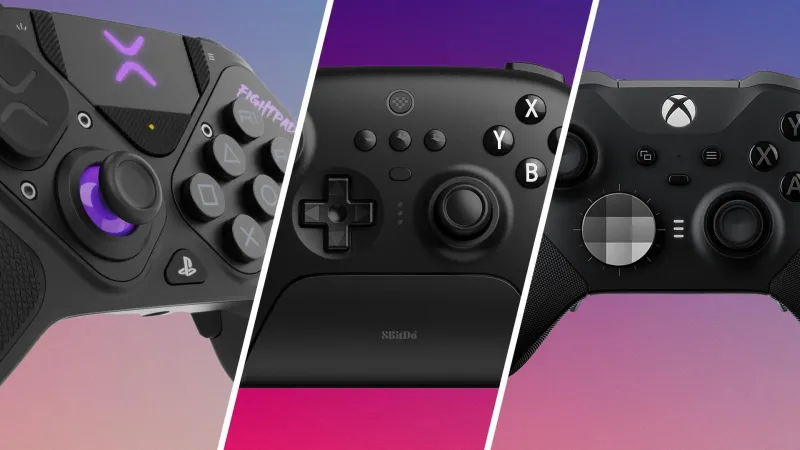
Taking Your Gaming To The Next Level With The Best Gaming Controllers
In the early days of gaming, the "controller" was a utilitarian plastic brick with two buttons and a... Read More
Top Posts

Global On‑Page SEO: Designing Pages That Speak Every Language
A deep dive into international on‑page SEO, covering semantic markup, hreflang best practices, localized meta strategies, structured data, and performance opt...Read More

Community‑First Cities: How Remote Work Is Rewriting the Social Fabric
Remote work is redefining urban life, prompting a shift toward community‑first cities. This article examines how trust‑first policies, flexible design, and ...Read More

Beyond Uptime: How Privacy‑First Web Hosting Fuels Trust
Explore the shift from basic uptime to privacy‑first web hosting, learn how to evaluate hosts for data residency and encryption, and see a step‑by‑step pl...Read More
The Intersection of Holistic Living and Digital Strategy
Discover the powerful connection between maintaining physical health through quality nutrition and sustaining a high-performing website through expert digital s...Read More
0 Comments
Post Comment
You will need to Login or Register to comment on this post!