
Why the City Needs a Social Reset
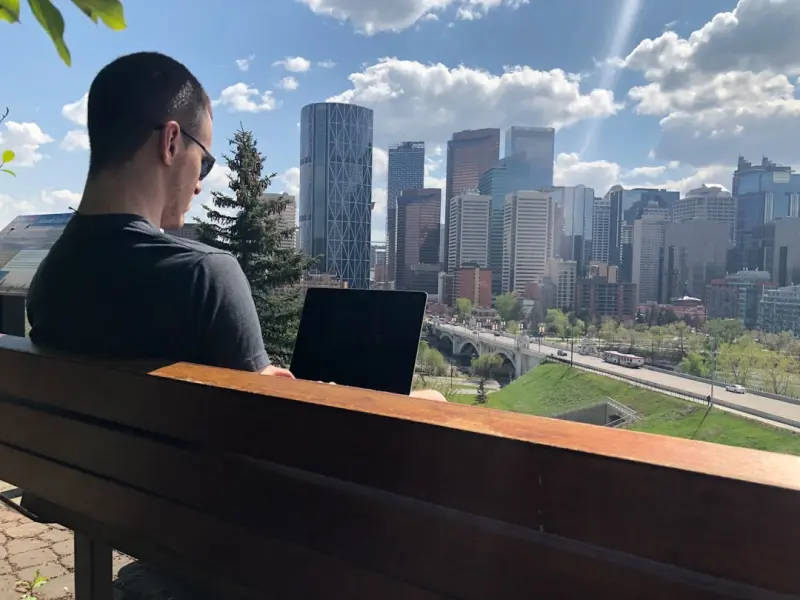
When I first swapped my cramped downtown apartment for a sun‑lit loft on the edge of a lake, I expected a quiet escape. What I got instead was a front‑row seat to a societal experiment that’s unfolding in neighborhoods across the globe. The mass exodus of remote workers isn’t just a real‑estate trend; it’s a cultural tectonic shift that forces cities to ask a simple, uncomfortable question: who are we building for?
For decades, urban planners have chased density, transit efficiency, and economic output. Those metrics still matter, but they no longer capture the core of what makes a city livable in a world where the office is no longer a physical place. People now gravitate toward places that promise community, purpose, and belonging—the same ingredients that made the “third place” (cafés, parks, community centers) the glue of mid‑century social life. The twist? Remote work has amplified the desire for those third places, turning them from optional extras into non‑negotiable pillars of a thriving city.
The Remote‑Work Ripple Effect
Remote work is often framed as a personal productivity hack. In reality, it’s a societal ripple that spreads far beyond individual calendars. When a developer in Seattle decides to work from a co‑living space in Asheville, the impact isn’t just a lower commute count. It’s a shift in local purchasing power, a new demand for high‑speed internet, and a fresh set of social expectations. Neighborhoods that once catered primarily to commuters now have to accommodate digital nomads seeking community, families looking for flexible schooling options, and entrepreneurs hunting for collaborative spaces. This multi‑layered demand is rewriting the social contract between municipalities and residents.
One striking illustration is the emergence of “remote‑work villages”—purpose‑built districts that blend affordable housing, coworking hubs, and vibrant public realms. These villages are less about tourism and more about cultivating a sense of belonging for people who spend most of their day online. The success of such villages hinges on two things: intentional design that prioritizes social interaction, and policies that treat community building as a public good, not a private after‑thought.
From Transactional to Trust‑First Interactions
Trust has always been the silent currency of society, but it’s become a strategic imperative in the digital age. As we move away from cookie‑based advertising, the trust‑first audience model is spilling over into how cities engage with residents. When a city’s outreach feels like a cold, algorithm‑driven push notification, citizens disengage. Conversely, when local governments adopt conversational, transparent communication—much like the shift described in rethinking security—they nurture a sense of partnership that fuels civic participation.
Imagine a city portal that doesn’t just list permits and taxes, but invites residents to co‑create neighborhood plans, vote on public art, and even test new services in a sandbox environment. This participatory approach mirrors how modern brands use social media as a product lab: they iterate based on real‑time feedback, fostering a feedback loop that feels less like surveillance and more like collaboration. When citizens see that their input directly shapes street lighting, park programming, or broadband upgrades, the abstract notion of “community” becomes a tangible, lived experience.
Designing Spaces That Spark Interaction
Physical design still matters—even for a workforce that spends half its day in a virtual meeting room. The concept of “third places” is being reimagined for the remote era. Co‑working cafés now double as community kitchens, makerspaces morph into pop‑up art studios, and public libraries are retrofitted with podcast studios and VR labs. The goal isn’t to create more rooms; it’s to embed “social affordances” into every square foot of a neighborhood.
Key design principles include:
- Flexibility: Furniture that can be rearranged for a yoga class, a hackathon, or a neighborhood potluck.
- Visibility: Transparent façades that let passersby glimpse ongoing activities, inviting spontaneous participation.
- Accessibility: Universal design that welcomes people of all ages, abilities, and cultural backgrounds.
- Digital Integration: Seamless Wi‑Fi, digital signage for event calendars, and QR codes that link to community forums.
When these elements converge, they create micro‑ecosystems where strangers become collaborators, and collaboration becomes the norm. The social fabric, once woven primarily through workplaces and schools, now finds new threads in shared digital‑physical experiences.
Economic Incentives Aligned with Social Good
Governments and private developers have a vested interest in making community‑first cities profitable. The value‑capture model—where increased property values fund public amenities—has traditionally driven gentrification, displacing the very residents a city hopes to retain. To avoid that pitfall, cities are experimenting with community land trusts and shared‑equity ownership, ensuring that rising property taxes fund affordable housing, local schools, and cultural programming.
Moreover, businesses are recognizing that employee retention now depends on the broader social ecosystem. Companies that invest in community‑centric initiatives—like sponsoring local hackathons or offering stipends for neighborhood events—see higher morale and lower turnover. The bottom line? A thriving social fabric translates into a healthier talent pipeline, which feeds back into the city’s economic engine.
Policy Levers for a Community‑First Future
Policy can either accelerate or stall this societal transformation. Here are three levers that can tip the scales toward a more inclusive, community‑rich city:
- Zoning Reforms: Allow mixed‑use developments that blend residential, commercial, and civic spaces, reducing the need for long commutes and encouraging spontaneous interactions.
- Digital Infrastructure Guarantees: Mandate broadband speeds that support high‑definition video calls, collaborative cloud tools, and emerging AR/VR experiences, leveling the playing field for remote workers.
- Civic Innovation Funds: Allocate municipal budgets to community pilots—like a neighborhood‑run coworking hub or a crowdsourced public art program—allowing residents to test ideas before scaling.
When these policies are enacted with a “trust‑first” mindset, they signal that the city isn’t just a backdrop for personal ambition, but a partner in collective growth.
The Human Element: Stories from the Ground
To illustrate the power of community‑first design, consider Maya, a freelance graphic designer who moved from a bustling metropolis to a small coastal town after the pandemic. Within weeks, she discovered a collective studio housed in a renovated warehouse. The space offered not only high‑speed internet and ergonomic desks but also weekly “skill‑swap” nights where residents taught each other everything from pottery to Python coding. Maya’s client base expanded dramatically because her new neighbors—software engineers, marketers, and small‑business owners—became her referral network.
Then there’s Carlos, a retired teacher who now mentors remote‑learning families in a neighborhood that repurposed its public library into a “learning commons.” The library provides tablets, a quiet study zone, and a schedule of live workshops. Carlos says the experience restores the sense of purpose he missed after retirement, while families gain affordable educational support.
These anecdotes underscore a simple truth: when cities intentionally nurture community, the benefits ripple across generations, professions, and socioeconomic strata.
Looking Ahead: The Next Evolution of Society
We stand at a crossroads where technology, work, and urban life intersect. The choices we make now will define whether our cities become cold, transactional grids or warm, collaborative ecosystems. By centering trust, designing flexible shared spaces, and aligning economic incentives with social outcomes, we can usher in a new era where the city feels like an extended living room—inviting, inclusive, and alive with conversation.
In the end, the most powerful tool for shaping society isn’t a policy brief or a tech stack; it’s the everyday act of showing up, listening, and co‑creating. As remote workers continue to disperse, they carry with them the expectation that their new home will be more than a backdrop—it will be a thriving community that values them as whole humans, not just as digital avatars.

Shawn DesRochers is a certified Microsoft technician and Programmer with 30+ year's experience. He has written many reviews on computer related products, software, and SEO related topics. When he's not writing reviews he can be found at one of the Oldest Directories Online Blogging Fusion Business Directory which he is the CEO of.
Related Posts
The Sprint Culture Revolution: How Speed Shapes Modern Society
A deep dive into sprint culture’s impact on work, social interaction, and digital habits, offering... Read More
Micro‑Communities: Redefining Belonging in Hyperconnected World
Micro‑communities are the quiet revolution redefining how we belong, collaborate, and advocate in ... Read More

The Quiet Revolution: Reclaiming Authenticity and Connection in a Noisy World
In a world of digital overload and constant performance pressure, Steph Sanderson delves into the qu... Read More
Top Posts
Designing a Personal Ritual Kitchen: Cooking as Creative Play
Discover how turning your kitchen into a personal ritual space can transform cooking into a mindful, creative practice that nurtures both body and soul....Read More

Top Tips for Beefing Up Your Resume
In today's fiercely competitive job market, your resume is far more than just a list of your past jobs; it's your personal marketing document, your professional...Read More

When AI Becomes the Con Artist: New Frontiers in SaaS Scams
AI‑crafted deepfakes, fake research reports, and automated webinar farms are the latest scam weapons targeting SaaS executives. This post reveals the tactics,...Read More

What Makes Oster Blenders So Special
In the bustling landscape of modern kitchen appliances, where innovation often prioritizes fleeting trends, some brands distinguish themselves through a steadfa...Read More
0 Comments
Post Comment
You will need to Login or Register to comment on this post!