
Introduction: The Sprint Fever
In the whirlwind of today’s hyper‑connected world, the word “sprint” has slipped from the gym floor into boardrooms, classrooms, and even our morning coffee rituals, reshaping how we think about time, productivity, and community; I’ve watched friends trade weekend hikes for 30‑minute focus bursts, and I can’t help but marvel at how this relentless pacing has become a cultural shorthand for progress. The allure is simple yet profound: a promise that speed does not have to sacrifice depth, that a rapid, iterative approach can deliver the same richness once reserved for slower, more contemplative processes; this promise, however, is not without its shadows, and as someone who has lived both the frantic and the reflective, I feel compelled to unpack what the sprint culture truly means for modern society. What started as a methodology for tech teams has now seeped into our personal lives, influencing how we schedule dates, plan vacations, and even curate our social feeds, turning every moment into a potential checkpoint on an invisible race track.
The Rise of the Sprint Mindset
When I first encountered the term “sprint mindset” in a content‑marketing workshop, I was struck by how quickly the concept leapt from a niche agile practice to a universal mantra for speed and impact, prompting me to explore the broader narrative that now drives countless blogs, podcasts, and self‑help books; the idea that we can compress months of work into weeks—sometimes days—has an intoxicating appeal that resonates with our innate desire for instant gratification. This cultural shift is not happening in a vacuum; the surge of articles like Why the Sprint Culture Is Redefining Modern Society illustrates how businesses, educators, and even families are re‑engineering routines to prioritize rapid cycles of planning, execution, and feedback, often at the expense of traditional milestones that once anchored our sense of achievement. Yet, as we chase these quick wins, we must ask whether the relentless tempo is fostering genuine innovation or simply feeding a perpetual state of urgency that leaves us perpetually exhausted.
Workplaces Reimagined
In the corporate arena, sprint‑centric frameworks have become the lingua franca of productivity, with teams breaking projects into bite‑sized sprints that promise transparency, accountability, and a clear line of sight to outcomes; I’ve seen managers swap annual performance reviews for weekly stand‑ups, and while the immediacy can boost morale and spotlight progress, it also creates a culture where the next deliverable eclipses long‑term vision, often leading to a tunnel‑vision effect that sidelines strategic thinking. The flip side is equally compelling: companies that master the sprint rhythm often report higher employee engagement, as the regular cadence of achievement provides a dopamine boost that keeps motivation high, especially when paired with clear metrics and celebratory rituals that recognize each completed sprint. However, the pressure to constantly iterate can also breed burnout, prompting a growing chorus of voices demanding a balance between rapid execution and sustainable work practices, a tension that sits at the heart of today’s organizational debates.
Social Interactions in the Fast Lane
Beyond the office, sprint culture has infiltrated our personal relationships, turning dates, family gatherings, and even casual catch‑ups into time‑boxed experiences designed for maximum efficiency; I recall a friend who scheduled “30‑minute coffee sprints” with a colleague, insisting that each meeting end with a concrete action item, a practice that, while productive, left little room for the idle chatter that often deepens bonds. This efficiency‑first mindset extends to digital platforms, where algorithms reward rapid content creation and consumption, prompting creators to adopt the Sprint Mindset to stay relevant; the result is a flood of bite‑sized, high‑velocity media that keeps audiences constantly engaged but can also erode attention spans, making deep, reflective conversation a rare commodity. As we sprint through our social calendars, we must consider whether this acceleration is enriching our connections or merely compressing them into fleeting, transactional exchanges that lack emotional depth.
Digital Life and the Need for Speed
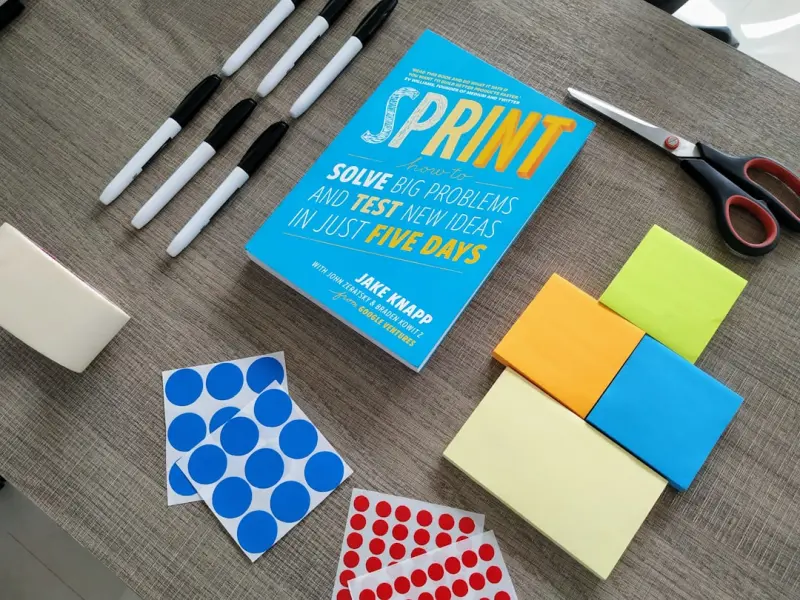
Our online existence mirrors the sprint ethos, with every click, swipe, and scroll measured against the clock, a reality highlighted in pieces like Design Sprints, which showcase how developers now prototype entire user experiences in a single day; this rapid prototyping accelerates innovation but also raises questions about security, usability, and the long‑term sustainability of products that are launched before they are fully vetted. The pressure to iterate quickly can lead to a cycle where bugs are patched on the fly, user data is collected aggressively, and privacy safeguards become an afterthought, a scenario that underscores the importance of balancing speed with responsibility, especially as consumers increasingly demand transparency and ethical practices. Moreover, the sprint mentality fuels a culture of “always on,” where notifications ping incessantly, compelling us to respond in real time, a habit that blurs the line between work and leisure and often leaves us scrambling to catch up with the next digital wave.
The Dark Side: Burnout and Superficiality
While the sprint model promises agility and momentum, its darker counterpart—burnout—lurks behind the glossy success stories, manifesting as chronic fatigue, anxiety, and a pervasive sense of never‑being‑enough; I have witnessed colleagues trade sleep for late‑night sprint reviews, only to find their creative spark dimming as the relentless pace erodes mental bandwidth, a pattern that is increasingly common across industries that prize speed above all else. Additionally, the emphasis on rapid output can sacrifice depth, leading to work that is polished on the surface but lacking in substantive insight, a phenomenon that permeates everything from journalism to academic research, where the rush to publish often outweighs the pursuit of rigor. To mitigate these risks, organizations and individuals alike must embed intentional pauses, reflective practices, and humane deadlines into the sprint cycle, ensuring that the pursuit of velocity does not eclipse the very human elements that make work meaningful.
Future Outlook: A Balanced Sprint Society
Looking ahead, the challenge for society will be to harness the undeniable benefits of sprint thinking—speed, adaptability, and collaborative focus—while tempering its excesses with mindfulness, resilience, and a renewed appreciation for slower, more contemplative processes; I envision a future where sprint cycles are interwoven with “rest sprints,” designated periods for reflection, skill‑building, and community engagement that counterbalance the high‑octane phases of production. Such an approach could redefine success metrics, shifting from pure output counts to holistic measures that include well‑being, creativity, and long‑term impact, a paradigm that would encourage both individuals and organizations to prioritize sustainable growth over fleeting victories. By consciously designing our lives to include both rapid bursts and intentional pauses, we can transform sprint culture from a relentless race into a harmonious rhythm that fuels progress without sacrificing our humanity.
Personal Takeaways: Sprinting with Intent
From my own journey navigating the sprint‑driven landscape, I’ve learned that the key to thriving lies in setting clear intentions, choosing where to sprint and where to stroll, and recognizing that speed is a tool—not a rule; I now schedule “focus sprints” for high‑impact tasks, but I also protect evenings for unstructured downtime, allowing ideas to incubate organically. Embracing this balanced approach has not only boosted my productivity but also restored a sense of joy and curiosity that the nonstop hustle had once dulled, reminding me that the most rewarding achievements often emerge from the spaces between the sprints. As we collectively shape the future of our society, let’s remember that the true power of sprint culture lies not in how fast we move, but in how thoughtfully we choose our paths.

Paul Flynn is a versatile freelance writer equipped with a diverse skillset and a portfolio that reflects his wide-ranging interests and expertise. From crafting compelling website copy and engaging blog posts to delivering in-depth articles and meticulously researched reports, Flynn demonstrates a remarkable ability to adapt his writing style to suit various audiences and purposes.
Related Posts

When Neighborhoods Go Digital: Re‑imagining Community in a Connected World
A deep dive into the rise of purpose‑driven micro‑communities, how privacy‑first technology fu... Read More

Cannabis and Teens: How Parental Use Influences Adolescent Attitudes
A recent study from Washington State University, published in the Journal of Child and Family Studie... Read More

The Unexpected Power of Neighborhood Time Banks in a Hyperconnected World
Time banks are reintroducing the barter of hours for services, forging stronger community bonds and ... Read More
Top Posts

Why Your Blog Should Be Built Like a Modular Engine
Learn how to treat every blog post as a modular component, with reusable assets, strategic internal linking, and automated repurposing, turning your content int...Read More
TikTok Is the Unexpected Gold Mine for B2B Insight
TikTok isn’t just a meme hub; it’s a live laboratory where product teams can capture market signals, validate ideas, and humanize their brand, turning short...Read More

The Unseen Hand: Decoding Google's Latest Algorithm Shifts for Sustainable SEO Success
Google's algorithms are always evolving. This post, written by Michelle Fisher, dives into the latest shifts, from E-E-A-T and AI's role to the importance of us...Read More
Beyond Keywords: A Semantic SEO Playbook for Voice & AI
Learn a fresh SEO approach that moves beyond keyword stuffing to semantic markup, entity‑focused content, and voice‑search optimization—tailored for B2B S...Read More
0 Comments
Post Comment
You will need to Login or Register to comment on this post!