
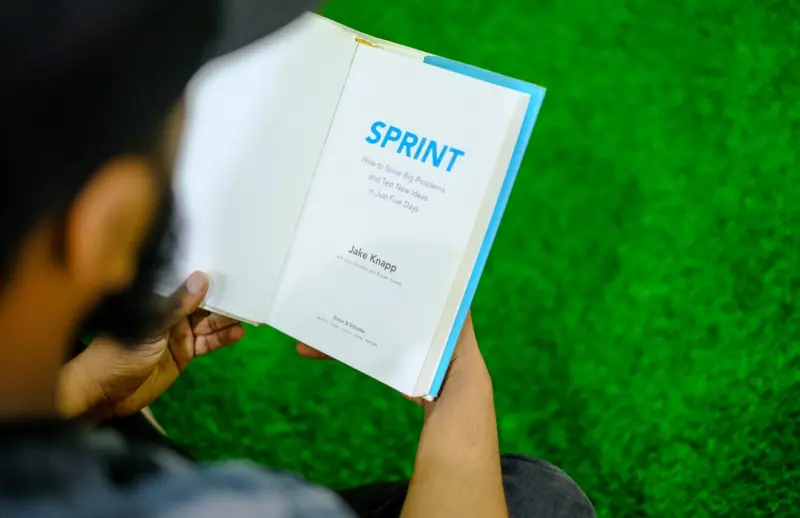
Introducing the Sprint Culture
Walking through a bustling coffee shop today, I can’t help but notice how everyone seems to be in a hurry, yet with purpose, as if the world itself has been rewired for speed. This shift isn’t limited to tech startups or marketing agencies; it has seeped into how we chat with friends, plan family meals, and even how we consume news, creating a societal rhythm that feels both exhilarating and exhausting. The sprint mentality—a blend of rapid execution and relentless iteration—has become a cultural shorthand for success, and I’m here to explore why it matters to each of us.
The Rise of the “Sprint” Mentality in Everyday Life
From the moment we wake up to a flood of notifications, we are nudged into a cycle of quick decisions: a five‑minute workout, a micro‑break meditation, a lightning‑fast email reply. This constant push for immediacy mirrors the way creative teams run Sprint Mindset projects, where weeks of planning collapse into days of focused output. While this can boost productivity, it also raises questions about burnout, depth of conversation, and the value of lingering moments that once defined community bonds.
How Sprints Are Reshaping Education and Learning
Schools that once relied on semester‑long units are now experimenting with creative sprints, compressing lessons into intensive, hands‑on bursts that aim to keep students engaged and motivated. This method promises to nurture curiosity by delivering immediate feedback and allowing learners to iterate on projects in real time, but it also forces educators to rethink assessment, ensuring that speed does not eclipse depth. As a parent and lifelong learner, I see the promise of these fast‑paced classrooms, yet I worry about the pressure they place on young minds to constantly perform at peak velocity.
Workplace Dynamics: From Marathon to Sprint
In the corporate sphere, the phrase “move fast and break things” has evolved into a mantra for agile teams that prioritize rapid prototyping over prolonged deliberation, echoing the same energy that drives our personal lives. Companies now host marketing sprints that launch campaigns in days rather than months, aiming to capture fleeting cultural moments before they fade. While this agility can deliver impressive ROI, it also cultivates a culture where long‑term strategy sometimes takes a backseat, and employees feel the perpetual need to sprint rather than sustain.
Social Interactions in the Age of Speed
Our friendships are now punctuated by quick texts, emoji‑filled reactions, and viral memes that spread faster than any face‑to‑face conversation ever could. This digital immediacy can deepen connections across distances, yet it also risks reducing complex emotions to bite‑sized snippets, leaving us yearning for the depth that only a slow, thoughtful dialogue can provide. I’ve noticed that even my own social circles are balancing the thrill of instant sharing with intentional, unhurried gatherings that remind us why we cherish human touch.
The Dark Side: Burnout and the Quest for Balance
When every facet of life adopts the sprint mindset, the line between productivity and exhaustion blurs, and the fear of missing out transforms into a relentless chase for the next quick win. Mental health experts warn that constant high‑velocity living can trigger anxiety, sleep disturbances, and a diminished capacity for reflection. To protect ourselves, we must embed intentional pauses—moments where we deliberately slow down, breathe, and savor experiences without the pressure to convert them into measurable outcomes.
Finding a Sustainable Pace: Strategies for Individuals
Here are three practical ways to reclaim balance while still thriving in a sprint‑driven world:
- Batch tasks—group similar activities together to reduce context switching and preserve mental energy.
- Schedule micro‑breaks—use short, mindful pauses to reset focus, preventing the fatigue that comes from continuous high‑speed work.
- Set “no‑sprint” zones—designate specific times or spaces where you disconnect from digital alerts and allow thoughts to flow without urgency.
Adopting these habits can transform the sprint from a relentless marathon into a series of purposeful, energizing bursts that respect both ambition and well‑being.
Community Building: Harnessing Speed for Collective Good
When we channel sprint energy toward communal goals—such as rapid volunteer drives, neighborhood clean‑ups, or flash fundraisers—we can achieve remarkable impact in a fraction of the time traditional methods require. These “social sprints” demonstrate that speed doesn’t have to be selfish; it can amplify solidarity, turning fleeting momentum into lasting change. By aligning our personal sprint instincts with collective purpose, we nurture a society that values both swift action and shared responsibility.
Looking Ahead: A Balanced Future
The sprint culture will undoubtedly continue to shape how we live, work, and connect, but its ultimate success hinges on our ability to weave moments of pause into the fabric of our fast‑paced lives. Embracing both the exhilaration of rapid progress and the tranquility of slow reflection can create a more resilient, humane society—one that celebrates speed without sacrificing depth. As we sprint forward, let’s remember to occasionally step off the track, breathe, and enjoy the scenery.

Lauren Miller is a true outdoors enthusiast who has found her passion in the trades. When she's not working hard on the job, you can find her writing, camping, fishing, and exploring all that nature has to offer. A dedicated partner to her wife Beth, Lauren loves nothing more than spending quality time together and experiencing the great outdoors side by side.
Related Posts
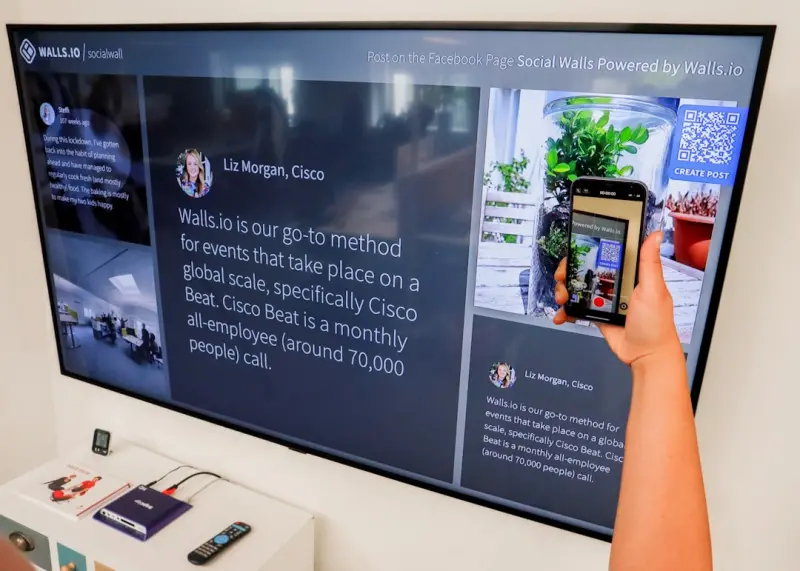
Rebuilding Social Fabric in a Remote‑First World
Remote work has sparked a quiet revolution in how we connect, turning virtual spaces into vibrant co... Read More

When Neighborhoods Go Digital: Re‑imagining Community in a Connected World
A deep dive into the rise of purpose‑driven micro‑communities, how privacy‑first technology fu... Read More

The Quiet Revolution: Reclaiming Authenticity and Connection in a Noisy World
In a world of digital overload and constant performance pressure, Steph Sanderson delves into the qu... Read More
Top Posts

How a Virtual Private Server Can Supercharge Your SaaS Launch
A Virtual Private Server blends dedicated performance with cloud flexibility, making it an ideal launchpad for early‑stage SaaS. Learn how to set up, secure, ...Read More

Playful Prototyping: How Toys Fuel Business Innovation
Discover how integrating physical toys into team workflows unlocks rapid ideation, improves collaboration, and drives faster, more innovative product outcomes....Read More
SEO Trends 2026: Jody Henderson’s Playbook for Ranking in an AI‑Driven World
Jody Henderson reveals how to future‑proof your SEO in 2026, from AI‑enhanced content to sustainable link strategies, ensuring higher rankings and lasting t...Read More
From Clicks to Customer Success: A SaaS Playbook for Mastering Google Analytics
A practical guide showing SaaS leaders how to set up GA4, align events with product roadmaps, optimize marketing spend, and use predictive metrics to cut churn,...Read More
0 Comments
Post Comment
You will need to Login or Register to comment on this post!